TL;DR
Endpapers, also called endsheets or endleaves, are the sheets that connect a hardcover book’s interior pages to its cover. They conceal the raw interior board, strengthen the binding, and create an important opportunity to add color, texture, artwork, and perceived value.
Open a hardcover book and the first material you see is usually not part of the main text block. It is the paper attached to the inside cover and positioned before the first printed page. These sheets may look simple, but they influence the book’s structure, durability, appearance, and overall quality.
For publishers, designers, printers, and book manufacturers, selecting book endpapers requires more than choosing an attractive color. Paper weight, grain direction, surface treatment, adhesion, printing, and compatibility with the rest of the book all affect performance.
What Are Endpapers and Endsheets
If you are asking what are endpapers or what are endsheets, both questions have essentially the same answer. Endpapers and endsheets are interchangeable terms for the folded sheets placed at the front and back of a case-bound book. They are also known as endleaves.
The endpapers of a book perform two primary jobs. First, they cover the exposed board and other construction materials on the inside of the case, creating a clean, finished appearance. Second, they help bond the book block to the case so the cover and interior pages function as one structure.
In an endpaper vs endsheet comparison, the difference is generally terminology rather than function. “Endpaper” is common in design, publishing, and book arts, while “endsheet” often appears in commercial printing and manufacturing specifications.
Most paperback books do not use traditional endsheets because their text blocks are attached directly to flexible covers. Hardcover endpapers are associated primarily with case-bound construction, although binding designs and specialty formats can vary.
Understanding Pastedowns, Flyleaves and Folios
A typical folded endsheet creates several distinct areas. The pastedown is the leaf adhered to the inside front or back cover. It hides the raw board and helps secure the book block within the case.
The leaf that remains unattached is called the flyleaf or free endpaper. This page may be left blank, printed, colored, or incorporated into the visual transition between the cover and the main content.
A folio is one folded sheet that creates two leaves and four page surfaces. Understanding this term makes it easier to interpret specifications for 4-page endsheets and other formats.
Some production descriptions also refer to tipped on endpapers. These are attached to the outer pages of the book block with a narrow line of adhesive before casing. The specific construction method should be confirmed with the printer or bindery because terminology can vary among manufacturers.
Comparing 2-Page, 4-Page and 8-Page Formats
2-page endsheets are usually a single leaf at the front and back of the book. One side is attached to the inside cover, while the other faces the text block. This compact format may suit certain binding structures, smaller books, or projects where additional flyleaves are unnecessary.
4-page endpapers are created from a folded sheet, producing a pastedown and a free leaf at each end of the book. This is one of the most familiar constructions for hardcover books because it provides both a finished interior cover and a clear transition into the content. The terms 4-page endsheets and four-page construction often describe the same basic arrangement.
8-page endpapers use additional folded material to create more leaves at the front and back. They may be selected for premium editions, presentation books, art books, or projects that need extra decorative pages, printed content, or structural support.
The right format depends on the binding method, book size, page count, desired appearance, and production plan. Hardcover book endpapers should always be specified with the printer and binder early enough to avoid layout or material conflicts.
Choosing Endsheet Paper
Endsheet paper must be strong enough to support opening and closing without feeling disconnected from the text block. Endpaper paper weight is often somewhat heavier than the interior pages, but heavier is not automatically better. A sheet that is too stiff can resist folding, pull against the binding, or make the book open awkwardly.
Grain direction is equally important. Paper generally folds and flexes more naturally with the grain, so the grain should typically run parallel to the spine. Incorrect grain direction may contribute to warping, buckling, or unnecessary stress near the hinge.
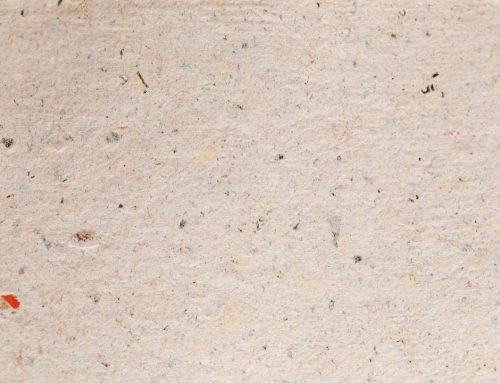
Surface treatment affects both appearance and adhesion. Uncoated papers often absorb adhesive readily and provide a tactile, natural finish. Coated papers can create sharper printed imagery or a smoother surface, but the coating may affect glue performance. Printers and binders should test unfamiliar coated stocks before production.
The paper should also be evaluated for opacity, folding strength, dimensional stability, print compatibility, and color consistency. Large books, heavy text blocks, and frequently handled editions may require different endsheet paper than compact books with lighter interiors.
Using Color, Print and Texture
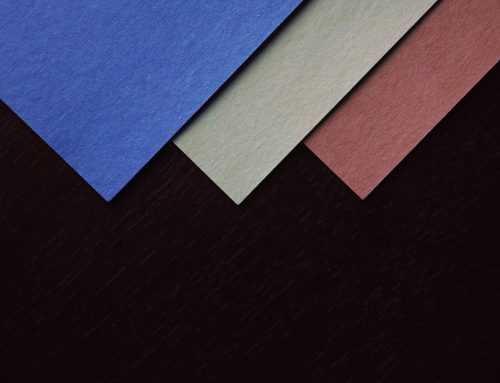
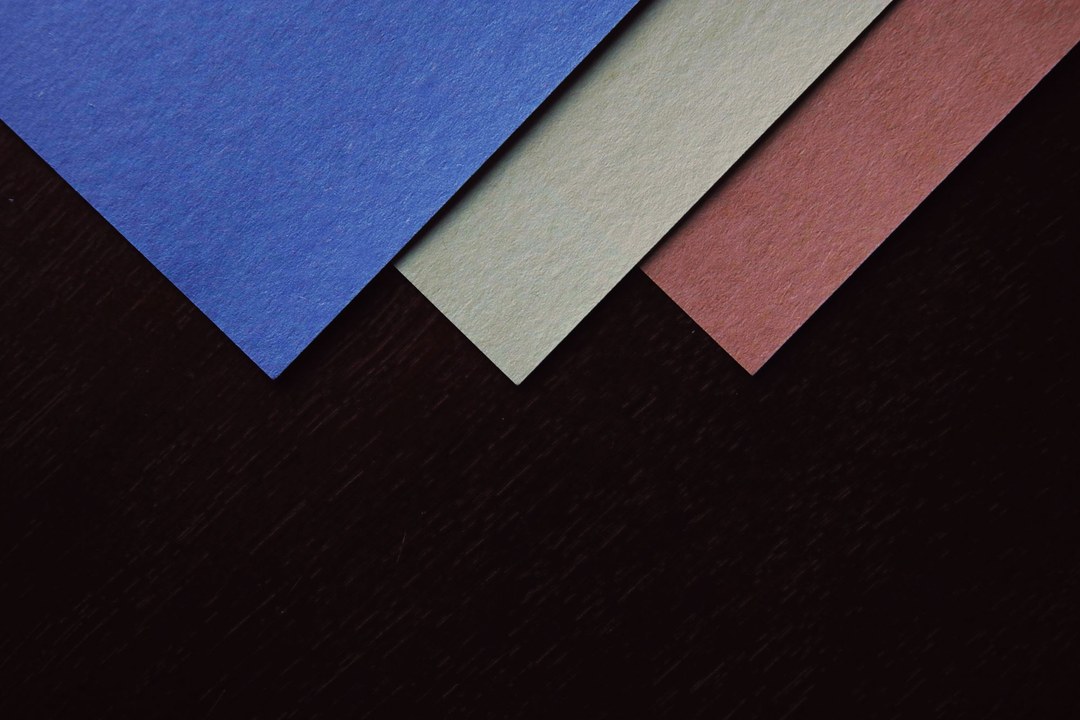
Plain endsheets can create a restrained transition from the cover to the text. White, cream, or neutral stocks may coordinate with the interior pages, while colored endpapers can reinforce a brand palette, complement the cover, or create deliberate contrast.
Printed endpapers open a broader range of design possibilities. Publishers can use patterns, illustrations, maps, diagrams, photographic imagery, or branded graphics. Printed endsheets may also carry useful visual content, although important details should stay clear of glued areas and folds.
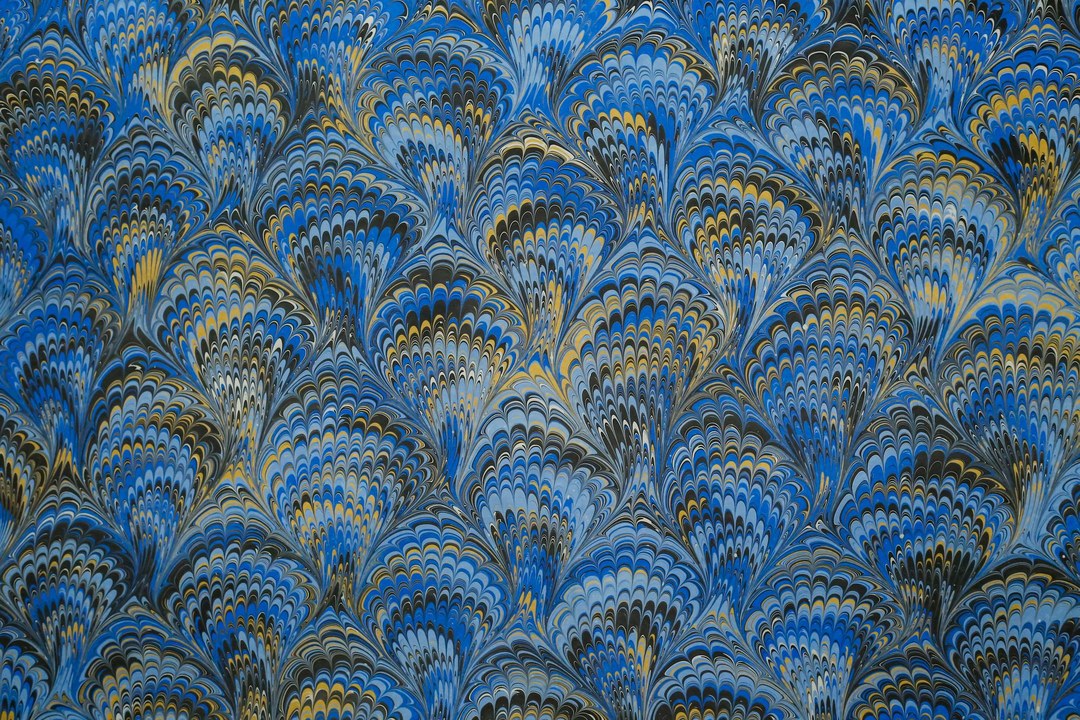
Decorative endpapers can help establish mood before the reader reaches the title page. Marbled endpapers suggest traditional craftsmanship and are often associated with collectible, literary, or heritage-inspired editions. Textured surfaces can add tactile interest, while custom endpapers can make a book feel distinctive without changing the main text stock.
Material choices should support the book’s intended position. A premium edition may pair specialty paper with book cloth or woven cover materials to create a coordinated experience across the case, pastedown, flyleaf, and interior pages. The most effective choices feel intentional rather than ornamental.
Create a Stronger Hardcover Book Experience
Endsheets for books should be selected as both structural components and design materials. The right stock must adhere reliably, fold cleanly, work with the chosen binding method, and contribute to the first impression of the finished book.
Ecological Fibers offers decorative and specialty papers, coated and uncoated options, and book cloth and woven cover materials for premium and case-bound applications. Connect with Ecological Fibers to explore material solutions that support your binding, performance, visual, and brand goals.
Key Takeaways
- Endpapers, endsheets, and endleaves are different names for the sheets connecting a hardcover book block to its case.
- The pastedown covers the inside board, while the flyleaf or free endpaper remains unattached.
- 2-page endsheets, 4-page endsheets, and 8-page formats support different structural and design needs.
- Paper weight, grain direction, coating, adhesion, and folding performance should be evaluated together.
- Printed endpapers, marbled endpapers, textured stocks, and colored endpapers can increase perceived value.
- Early coordination among designers, printers, binders, and material suppliers helps prevent production issues.