TL;DR
Rigid boxes and slipcases are typically made from a chipboard or greyboard core wrapped in a decorative exterior material. The right wrap material depends on your visual goals, durability requirements, print and finishing needs, and sustainability priorities. Understanding the strengths of specialty papers, woven materials, and polyurethane leather wraps can help brands create luxury packaging that aligns with both performance and presentation objectives.
When evaluating luxury packaging, many brands focus on structural design, graphics, and finishing effects. However, the exterior wrap material often has the greatest influence on how a package looks and feels. For rigid boxes and slipcases, the cover material helps define the customer experience while supporting branding, product presentation, and durability requirements.
Whether you are developing premium gift boxes, presentation packaging, collector packaging, or rigid boxes custom designed for a specific product, selecting the right exterior wrap is a critical decision. The best choice depends on the package structure, intended application, production process, and overall brand goals.
What Are Rigid Boxes and Slipcases
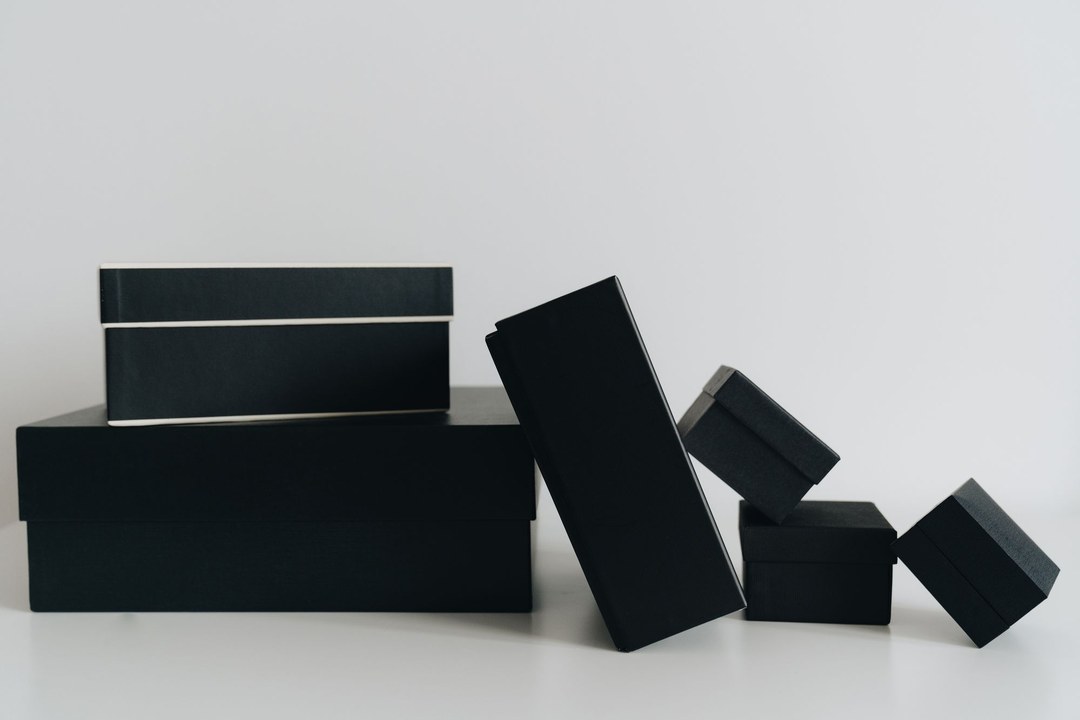
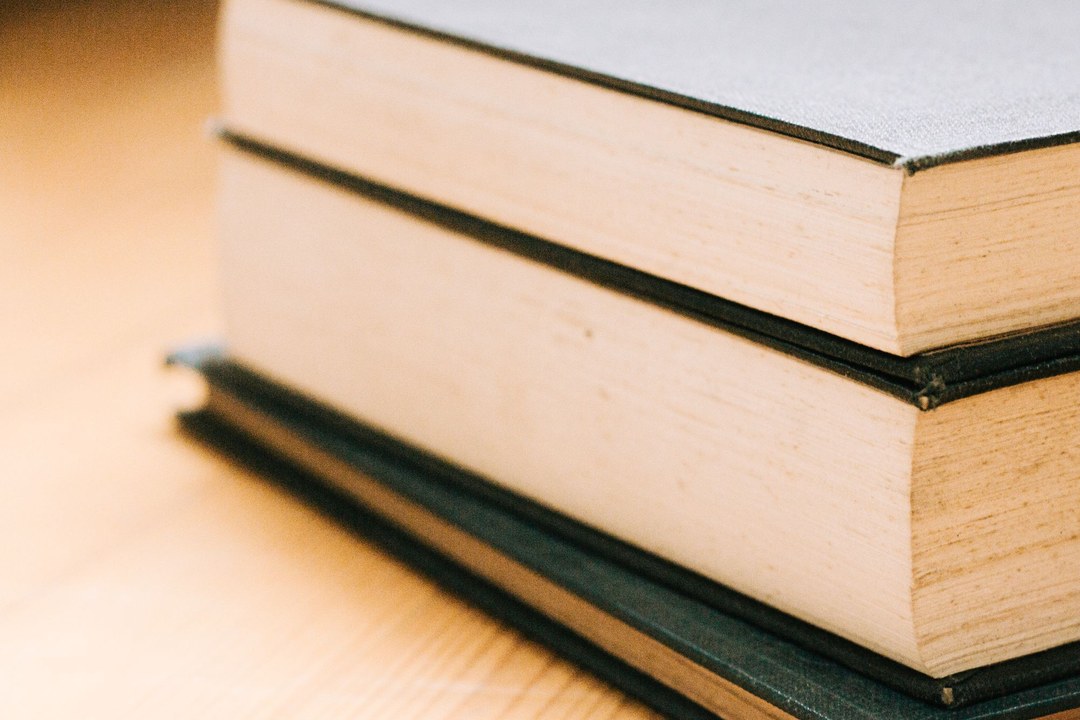
Rigid boxes, also known as setup boxes, are packaging structures made from thick chipboard or greyboard that maintain their shape after production. Unlike folding cartons, they do not collapse flat and are often associated with premium products and luxury packaging.
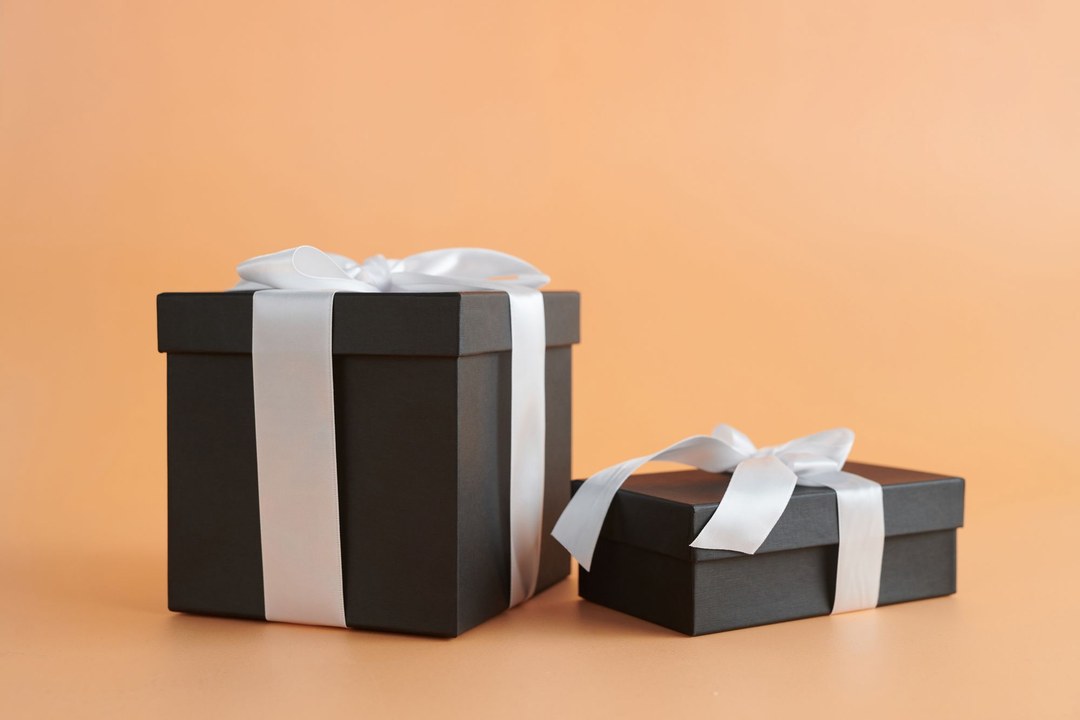
Common examples include premium gift boxes, electronics packaging, presentation boxes, and rigid boxes with lids. A slipcase uses a similar construction method but functions as a sleeve that slides over a product, book, or presentation piece.
One common question is, “What is the difference between a rigid box and a tuck box?” A tuck box is typically made from folding carton stock and ships flat before assembly, while rigid box packaging uses a thicker board structure that creates greater rigidity and a more substantial feel.
Rigid boxes also differ from corrugated packaging. Corrugated boxes are designed primarily for shipping and protection, while luxury rigid boxes are often selected for presentation, branding, and customer experience.
Understanding Rigid Box Materials
The structural board inside a rigid box provides strength, but the exterior wrap creates the visible and tactile surface. As a result, choosing appropriate rigid box materials is one of the most important packaging decisions.
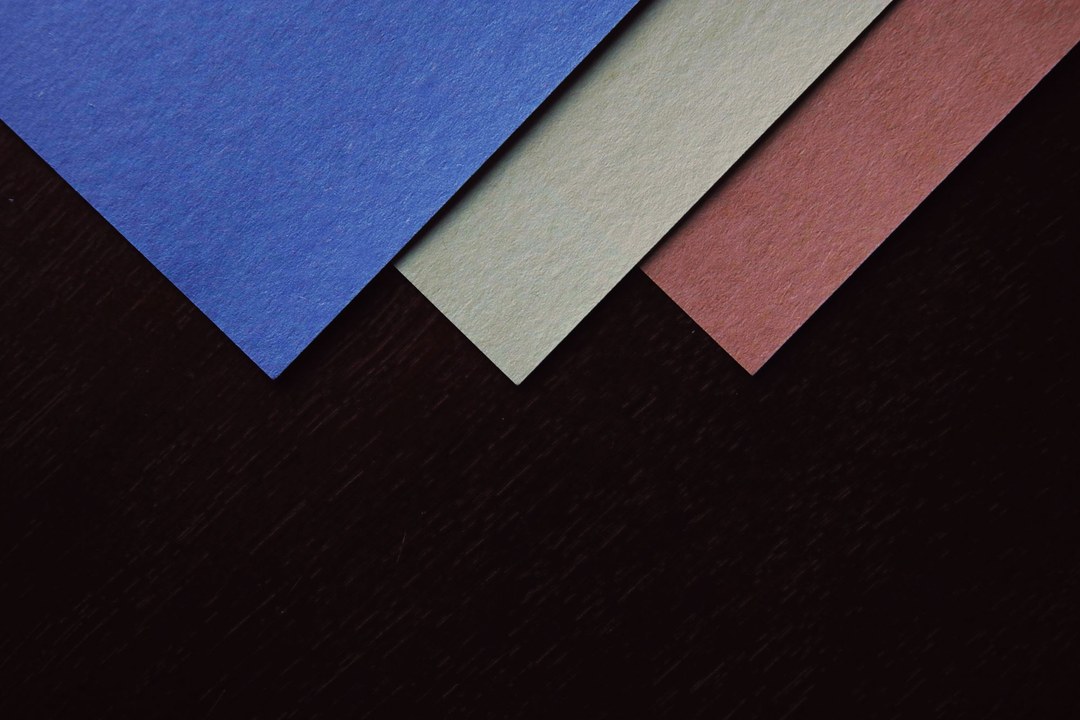
Decorative and specialty papers remain among the most common choices because they offer extensive design flexibility. Designers can select from a wide variety of colors, textures, and finishes to create a packaging experience that reflects the product and brand.
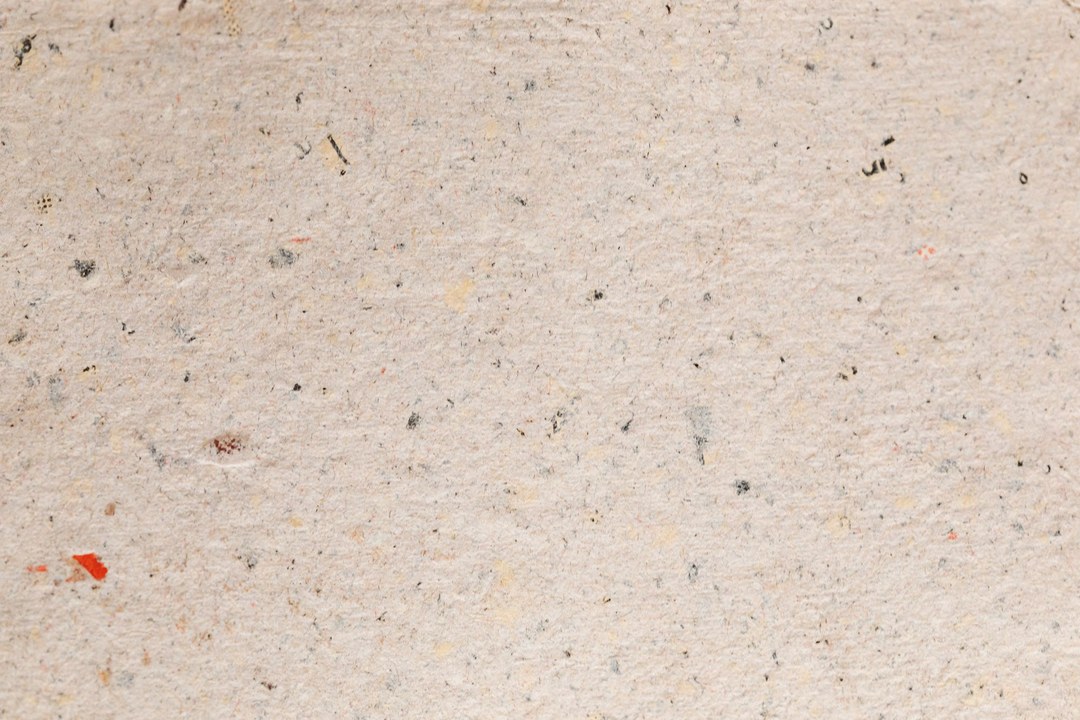
Paper selection often begins with grammage, surface texture, and coating characteristics. Coated papers generally provide a smooth appearance and can support detailed graphics and vibrant print reproduction. Uncoated papers often create a softer, more natural look and feel that appeals to brands seeking a more tactile presentation.
Texture is equally important. Smooth papers, embossed surfaces, and specialty textures can dramatically change how consumers perceive the package. In luxury packaging, texture often becomes a key component of the overall brand experience.
Woven Materials for Luxury Packaging
Brands seeking a fabric-inspired appearance often turn to woven cover materials and book cloth products. These materials create a distinctive visual effect that differs from traditional paper wraps while introducing additional texture and depth.
Ecological Fibers offers woven cover materials including Arlington, Brillianta, Lotus, Sierra, Metallium, and Phoenix. These materials are frequently used for luxury rigid boxes, premium presentation packaging, and decorative slipcase applications where tactile quality is an important design objective.
Because woven materials create a unique aesthetic, they are often selected when brands want packaging that feels differentiated from conventional printed paper solutions. However, material selection should always be based on the intended application and production requirements rather than appearance alone.
Polyurethane Leather Wraps for Premium Presentation
Some packaging projects require a more refined tactile effect than paper or woven materials can provide. Polyurethane leather wraps offer another option for premium packaging applications.
The Alpha polyurethane leather collection includes Alpha Aston, Cowhide, Goat, and Skiver. These materials provide leather-like textures and visual characteristics that are commonly used in luxury presentation boxes, commemorative packaging, and executive product packaging.
Like woven materials, polyurethane wraps should be evaluated based on the package design, manufacturing process, desired appearance, and performance requirements. The most suitable material will vary depending on the specific packaging application.
Print Compatibility and Finishing Options
Material selection influences not only appearance but also the decorative finishes available for a project. Many luxury rigid boxes incorporate finishing techniques that enhance branding and create visual interest.
Matte and gloss treatments can affect the overall look of the package, while embossing and debossing add dimensional texture. Foil stamping remains a popular option for highlighting logos, typography, and decorative elements.
Because different substrates respond differently to finishing processes, packaging designers should evaluate material and finishing choices together. This approach helps ensure the selected wrap material supports both the desired visual effect and production requirements.
Balancing Appearance, Durability, and Sustainability
When sourcing materials for rigid boxes wholesale production or custom luxury packaging, there is rarely a single deciding factor. Brands and packaging teams must often balance appearance, durability, manufacturing requirements, and sustainability objectives to find the most suitable solution.
Durability requirements can vary significantly depending on how the package will be used. Some applications require long-term presentation and storage, while others focus primarily on delivering a premium unboxing experience.
Sustainability considerations should be evaluated thoughtfully as well. Factors such as fiber sourcing, recycled content, manufacturing processes, coatings, adhesives, and end-of-life recovery options may all influence the environmental profile of a packaging solution. Rather than focusing on a single attribute, organizations often benefit from evaluating materials within the broader context of their sustainability goals.
Choosing the Right Materials for Your Next Packaging Project
Whether you are working with rigid box manufacturers, developing rigid boxes custom designed for a luxury product launch, or evaluating new rigid box packaging options, material selection plays a central role in the success of the finished package.
Decorative papers, coated papers, woven cover materials, and polyurethane leather wraps each offer distinct advantages. The most effective choice depends on the structure, application, visual goals, production process, and performance requirements of the project.
Connect with Ecological Fibers to explore sustainable material solutions that support your performance, packaging, and brand goals.
Key Takeaways
- Rigid boxes and slipcases use a chipboard or greyboard core wrapped in a decorative exterior material.
- Decorative papers, woven cover materials, and polyurethane leather wraps each offer unique visual and tactile characteristics.
- Coated and uncoated papers support different design, print, and branding objectives.
- Finishing techniques such as embossing, debossing, foil stamping, and surface treatments should be considered alongside material selection.
- Durability, production compatibility, and sustainability considerations all influence material suitability.
- The best rigid box materials depend on the packaging application, design goals, and performance requirements.