TL;DR
Metallic book cloth combines the durability of traditional bookbinding cloth with the refined appearance of woven metallic fibers. Understanding material construction, backing options, coatings, and finishing compatibility helps designers and manufacturers choose a cover material that balances aesthetics, performance, and long-term value.
The cover of a hardcover book or presentation piece often shapes a person’s first impression before a single page is turned. For publishers, designers, luxury brands, and manufacturers, the right cover material communicates craftsmanship, quality, and attention to detail while protecting the product throughout its life.
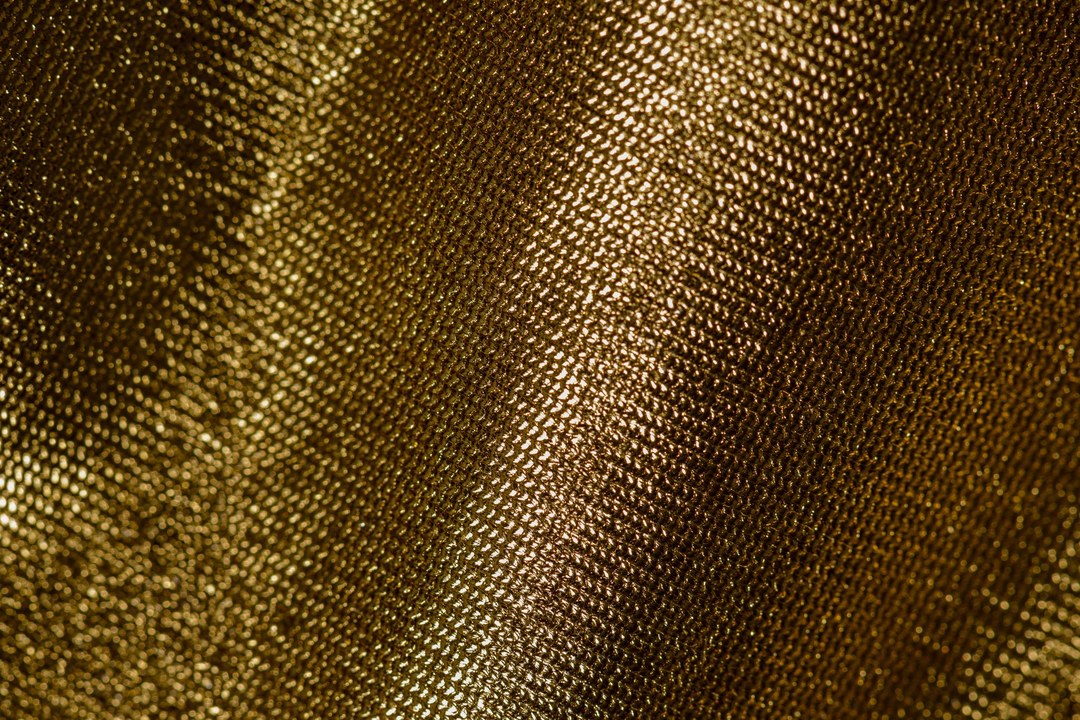
Among today’s specialty materials, metallic book cloth offers a distinctive combination of texture, durability, and visual sophistication. By weaving metallic fibers directly into the fabric, these materials create subtle depth and movement that printed finishes alone cannot replicate. Whether you’re developing a collector’s edition, premium packaging, or an executive presentation box, selecting the right woven material can elevate both the appearance and perceived value of the finished piece.
What Is Book Cloth
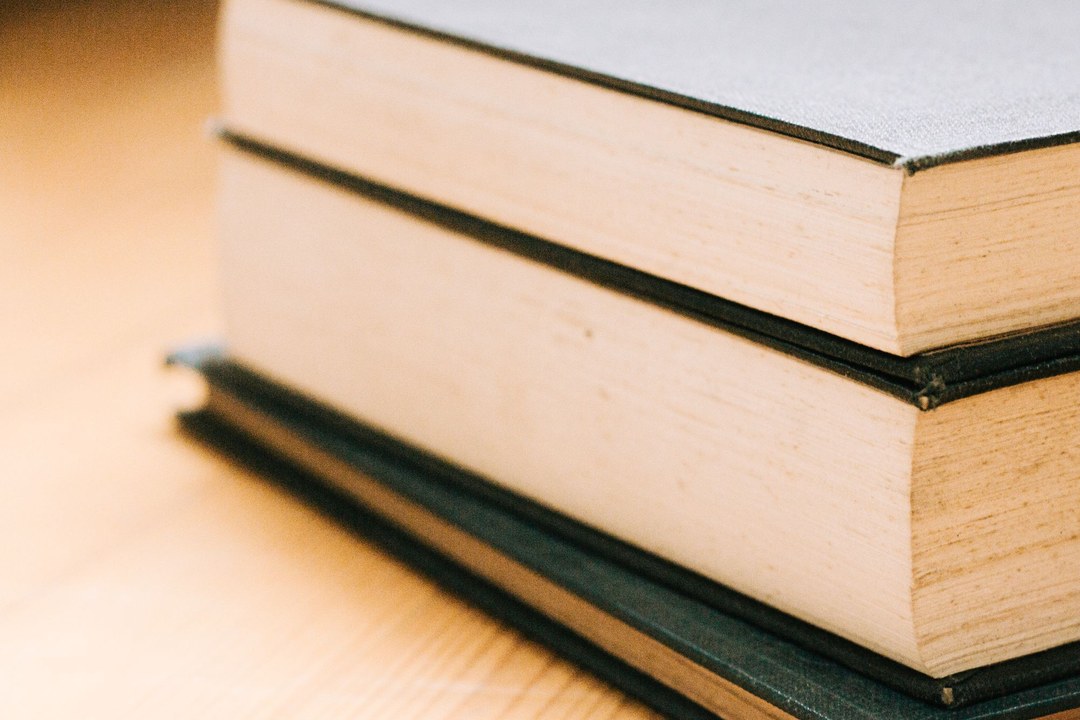
Book cloth is a woven fabric engineered specifically for hardcover books and other rigid binding applications. Unlike ordinary textiles, book cloth material is manufactured to withstand the demands of converting and binding while maintaining its appearance through years of handling.
The terms book cloth and bookcloth refer to the same specialty product. What distinguishes bookbinding cloth from standard fabric is its construction. Most materials include either a paper or latex backing that provides dimensional stability and allows adhesives to bond securely during manufacturing.
Several varieties are available to meet different performance requirements. Coated book cloth features a protective surface that improves resistance to wear and often enhances print quality. Starched book cloth retains more of the natural woven texture and is often selected when designers want an authentic textile appearance. Buckram book cloth is widely recognized for its exceptional durability in institutional and reference books, while linen book cloth provides a timeless woven aesthetic for high-end publishing and presentation materials.
Why Metallic Woven Fabrics Stand Apart
Unlike metallic inks or laminated films, metallic woven materials incorporate reflective fibers directly into the weave. This construction creates a sophisticated shimmer that changes with viewing angle and lighting, giving covers greater depth without appearing overly glossy or decorative.
A woven metallic cover fabric also preserves the tactile qualities that make woven materials so appealing. Readers and customers experience both the visual richness and the texture of the material, creating a more memorable interaction with the finished product.
Because of these qualities, metallic bookbinding cloth and other metallic woven materials are frequently specified for collector’s editions, commemorative publications, luxury retail packaging, premium presentation boxes, branded marketing kits, and executive portfolios where appearance and durability are equally important.
Choosing the Right Book Cover Cloth
Selecting the right book cover cloth involves balancing appearance with performance. While color and texture influence the visual design, the material’s construction affects manufacturing efficiency, decorative finishing, and long-term performance, making it important to evaluate the application before making a specification.
Most book cloth for hardcover books is manufactured with either paper or latex backing. Paper-backed constructions offer excellent stability and produce crisp wrapped edges, making them a popular choice for commercial binding. Latex-backed materials provide greater flexibility and may be better suited for certain specialty converting applications.
Surface finish should also be considered. A coated surface generally provides greater resistance to fingerprints, abrasion, and moisture while creating an excellent foundation for decorative finishing. Materials with a more natural finish highlight the woven texture and can create a warmer, more handcrafted appearance.
Understanding how the finished product will be handled is equally important. A collector’s edition displayed on a shelf may prioritize appearance, while a presentation binder or luxury package that is opened repeatedly may benefit from a more durable construction. Matching the material to the intended use helps ensure the finished product performs as expected.
Print Compatibility and Decorative Finishing
One reason premium book cloth remains popular is its compatibility with decorative finishing techniques. Many woven materials perform exceptionally well with foil stamping, embossing, debossing, and a variety of printing processes when properly specified.
Foil stamping produces crisp titles, logos, and decorative accents that contrast beautifully against textured woven surfaces. Embossing adds another layer of visual interest by creating dimensional patterns that work with the fabric’s texture instead of competing against it. Printed book cloth is also available for projects requiring more detailed graphics, with many materials supporting offset, screen, UV, and digital printing.
As with any specialty substrate, testing the selected material with intended inks, foils, and finishing equipment before production helps achieve consistent, high-quality results.
Premium Woven Materials for Luxury Applications
Every project has unique design and performance goals, so choosing the right book cloth for book binding requires balancing aesthetics, durability, and manufacturing requirements.
Ecological Fibers offers several woven collections that support a wide range of premium applications. Metallium is designed for projects that benefit from elegant metallic effects, making it an excellent choice for luxury books, presentation materials, and upscale packaging. Arlington delivers a classic woven appearance, while Brillianta is known for its refined texture and broad color selection. Lotus offers a clean contemporary aesthetic, and Sierra and Phoenix expand the design palette with distinctive woven textures that support both traditional and modern branding.
Working with an experienced material partner helps ensure the selected woven cover material aligns with production methods, finishing techniques, and the overall experience you want the finished product to deliver.
Select the Right Material with Confidence
The best cover materials do more than protect what’s inside. They reinforce brand identity, enhance perceived quality, and contribute to a memorable customer experience from the very first interaction.
Whether you’re evaluating metallic book cloth for a collector’s edition or comparing woven materials for premium packaging, understanding the differences in construction, durability, and finishing compatibility leads to better specification decisions. Connect with Ecological Fibers to explore sustainable material solutions that support your performance, packaging, and brand goals.
Key Takeaways
- Book cloth is a specialized woven material designed for hardcover books and premium binding applications.
- Metallic book cloth creates visual depth by incorporating reflective fibers directly into the weave rather than relying solely on printed effects.
- Backing, coatings, grain direction, and finishing compatibility all influence durability and manufacturing performance.
- Woven metallic cover fabric offers a sophisticated alternative to paper and synthetic cover materials for luxury books and packaging.
- Ecological Fibers offers premium woven collections including Metallium, Arlington, Brillianta, Lotus, Sierra, and Phoenix to support a wide range of hardcover books, presentation materials, and premium packaging.