Sustainability in material design is no longer a niche concern. It’s an essential consideration for creators, brands, and manufacturers aiming to reduce environmental impact while elevating quality. For those searching for sustainable fabrics and textures that offer performance, beauty, and integrity, Ecological Fibers leads the way. Their innovative, design-forward materials not only meet stringent environmental criteria but also add depth and tactile sophistication to projects across industries.
What Makes a Fabric Truly Sustainable?
Sustainable fabrics and textures are defined by more than just recycled content. They are engineered with lifecycle impact in mind – from raw material sourcing and chemical safety to emissions, energy use, and end-of-life options. Many suppliers use buzzwords like “eco” or “green,” but true sustainability demands full transparency, renewable inputs, and production methods that prioritize worker safety and environmental integrity. Ecological Fibers exemplifies this commitment through decades of solvent-free, water-based coating innovations and a vertically integrated supply chain.
Inside Ecological Fibers: Redefining Material Innovation
Ecological Fibers has pioneered sustainable material development since 1972. With a strict policy of zero solvents and heavy metals, they manufacture under global standards including REACH, Prop 65, and FSC certification. Their in-house air manufacturing innovation enables controlled, high-quality production that meets the needs of designers and engineers alike. Rather than rely on conventional textiles like organic cotton alone, Ecological Fibers develops advanced substrates that mirror the look and feel of fabrics while using tree-free, recycled, or plant-based content.
The Power of Texture in Sustainable Design
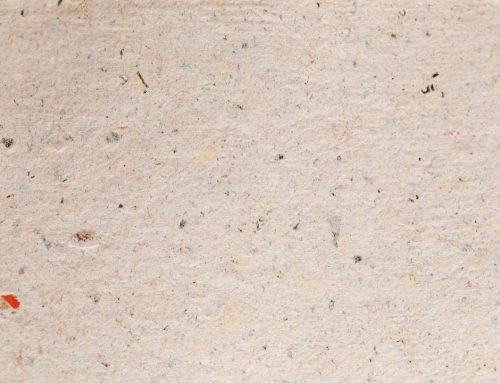
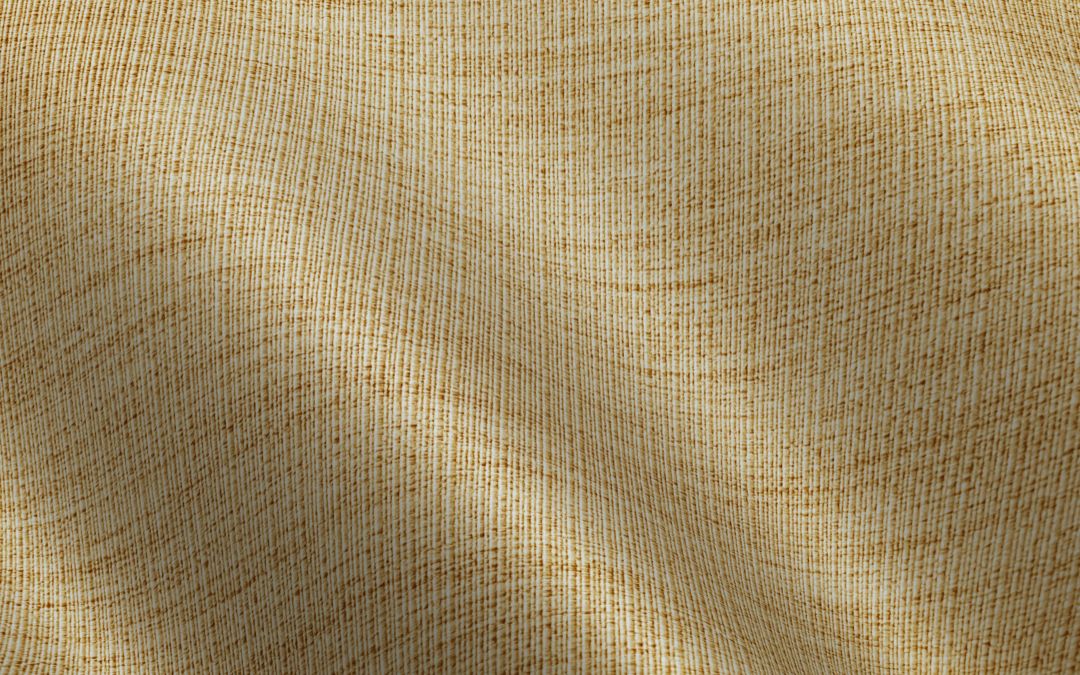
In today’s experience-driven design world, texture is not just aesthetic. It communicates brand values, guides tactile engagement, and differentiates products on shelves. Ecological Fibers’ materials add depth to every application, from the soft cloth-like surface of their Rainbow® line to embossed finishes designed to mimic abstract designs textiles. These textures do more than look beautiful. They enhance grip, resist wear, and function across a wide range of light, temperature, and handling conditions.
Ecological Fibers Across Applications: From Packaging to Product Design
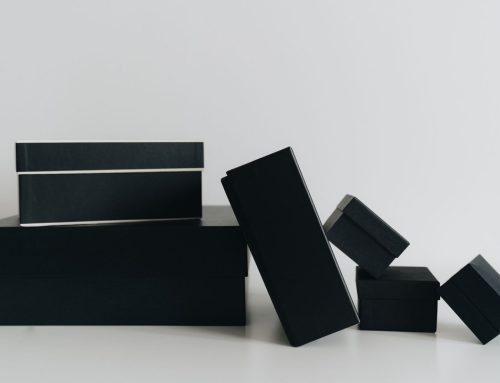
Ecological Fibers materials are used in premium packaging, bookbinding, creative marketing, and sustainable product design. Their range includes high-performance coatings suitable for folding cartons, rigid boxes, covers, and branded tactile panels. Designers use these materials to bring design intent to life, adding both surface interest and sustainable credibility. Recent projects include textured acoustic panels tiles and custom-developed materials for acoustic solutions products in workspace design.
Materials That Go Beyond Wood Pulp
Ecological Fibers goes beyond traditional paper and pulp by developing materials from recycled fibers, agricultural waste, and tree-free resources. Their Rainbow Renew line features blends incorporating post-consumer waste and innovative plant fibers, offering a more sustainable alternative to both paper and textiles. While other brands may emphasize organic cotton, Ecological Fibers advances the field with options like hemp-infused surfaces, grass-based substrates, and materials inspired by the cork oak tree Portugal harvests sustainably.
Safe, Sustainable Color and Customization
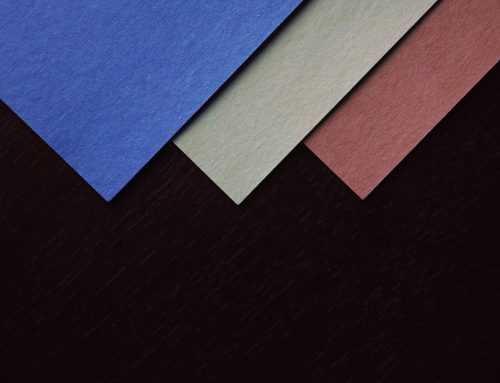
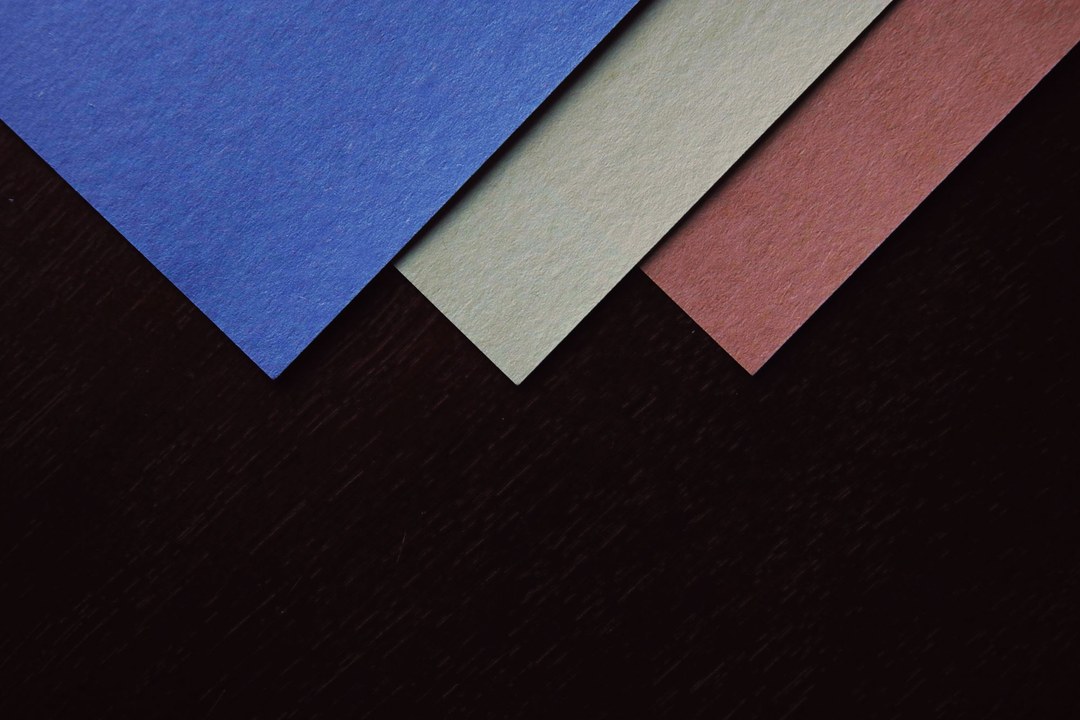
Color plays a central role in visual identity. Ecological Fibers offers a rich, customizable color palette with eco-safe pigments and dyes, ensuring compatibility with digital and offset print processes. Custom embossing and patterning are available to replicate both traditional and abstract designs textiles. Whether designers are building a unified brand suite or a bold one-off campaign, Ecological Fibers empowers them to add depth without sacrificing environmental standards.
Designing the Future with Ecological Fibers
Ecological Fibers is helping lead the next era of sustainable material innovation. Their R&D teams are exploring bio-derived inputs, alginate impression materials for molding and casting, and alternative fibers that support circular design. Their solutions extend the browser experience beyond screens, inviting real-world interaction through surface feel and material presence. Whether it’s high-end retail packaging or acoustic solutions products, Ecological Fibers materials help brands bring design, sustainability, and function into harmony.
Ecological Fibers is redefining what’s possible in sustainable fabrics and textures. If you’re ready to explore a color palette that’s both bold and responsible, or need materials engineered for both tactile beauty and environmental integrity, Ecological Fibers invites you to connect. Request samples, browse the product range, or speak with a sustainability specialist to start your next project with purpose.
Frequently Asked Questions (FAQ)
About Sustainable Fabrics and Textures
What are the most sustainable alternatives to traditional textiles?
Materials derived from recycled fibers, agricultural waste, and tree-free resources are among the most sustainable. Ecological Fibers develops advanced substrates that outperform traditional textiles like organic cotton in both performance and environmental impact.
How do textures influence sustainable design outcomes?
Textures add depth, enhance user experience, and strengthen brand identity. They also improve grip, durability, and printability. The tactile surfaces offered by Ecological Fibers provide a sustainable way to bring design intent to life without relying on virgin materials.
Are these materials suitable for packaging and acoustic applications?
Yes. Ecological Fibers produces high-performance materials used in luxury packaging, book covers, and functional components like acoustic panels tiles and other acoustic solutions products, all while meeting stringent environmental criteria.
How can you ensure materials are truly eco-friendly?
Ecological Fibers maintains full control over production through in-house air manufacturing innovation and uses only water-based, solvent-free coatings. Their materials meet or exceed REACH, Prop 65, and FSC standards.
Can these materials be customized for specific design needs?
Absolutely. Ecological Fibers offers a broad color palette, embossing options, and support for abstract designs textiles. Whether for product design or creative packaging, their materials are engineered to bring design visions to life responsibly.