In today’s brand-conscious and sustainability-driven marketplace, the materials used for something as seemingly simple as an envelope can make a significant statement. For designers and businesses looking to create template envelopes that are both functional and environmentally sound, selecting the right covering materials is critical. This article explores how sustainable paper lines can elevate branding while reducing environmental impact. It also offers insights into material choice, design integration, and why leaders in ecological fibers are shaping the future of envelope design.
A template envelope refers to an envelope designed using a pre-set layout or dieline, specifying where to cut, fold, and glue. The materials used for this, typically specialty papers or boards, must support folding, printing, and sealing while aligning with the intended brand image and sustainability goals.
Why Material Choice Matters for Template Envelope Design
Envelope design is more than format and layout. It is about how the final piece feels in hand, how it performs under pressure, and what it says about the brand it represents. Choosing sustainable materials directly affects how customers perceive your values, particularly as industries face rising expectations to reduce their carbon footprint.
Using environmentally sound materials that are FSC certified, plastic-free, and responsibly produced helps businesses meet these expectations while improving product appeal. Materials with verifiable sustainability credentials – such as acid free carbon content or post-consumer recycled fibers – support a more credible brand narrative.
Sustainable Paper Lines Suited for Envelopes
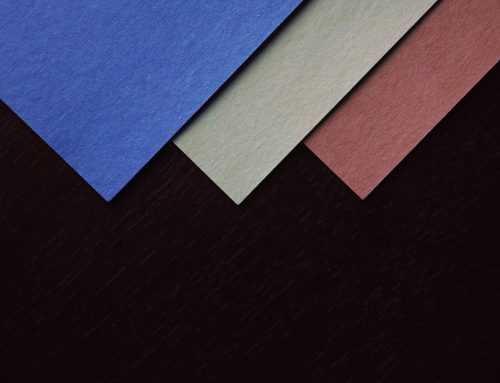
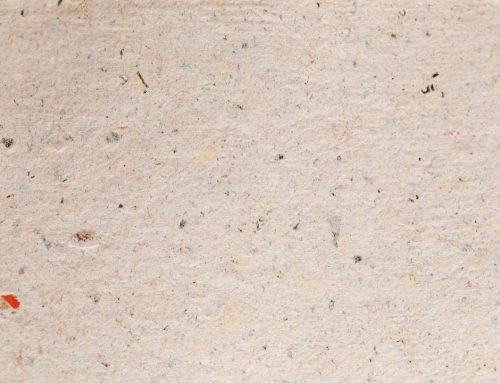
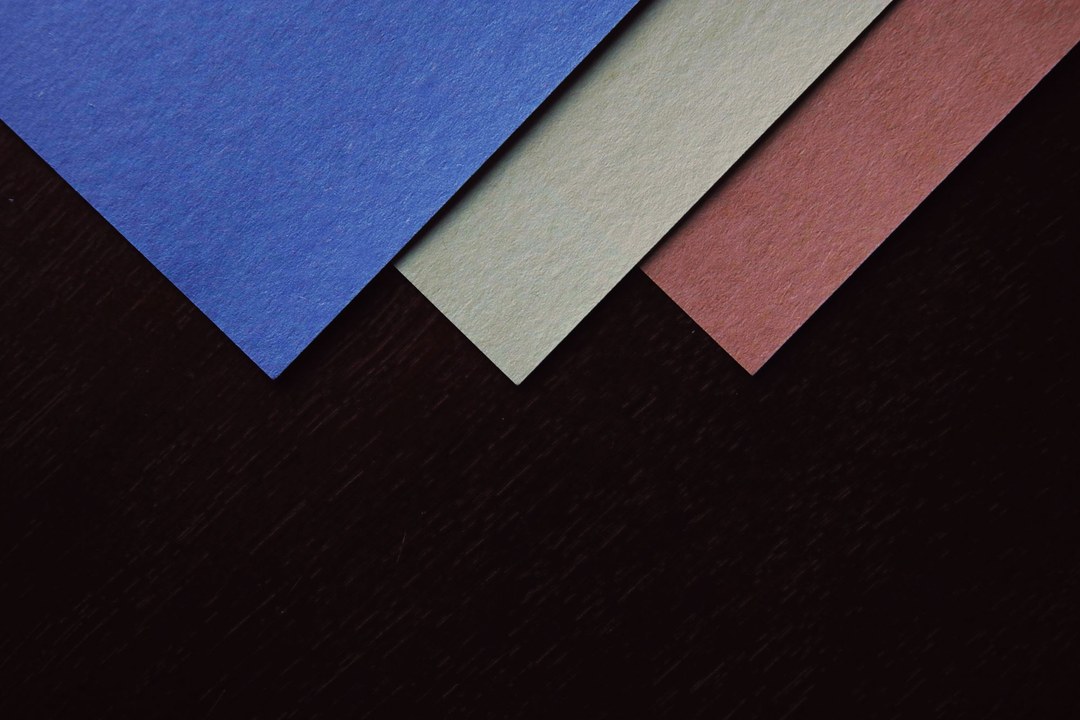
A growing range of premium covering materials now serve both visual and functional demands for envelope applications. Lines such as Rainbow® and Flexpak™ offer textures, colors, and performance qualities tailored for folded formats, adhesive zones, and commercial printing processes. These papers are often made from FSC certified recycled paper and designed for full recyclability or compostability.
In high-quality production environments, advanced production technology allows for consistent caliper control, smooth surfaces for offset and digital print, and tactile finishes that enhance user experience. The most reliable mills operate with international standards for sustainability and performance, including operations based in locations like Bangsue Bangkok Thailand, where environmental controls are rigorous.
Matching Materials to Envelope Designs
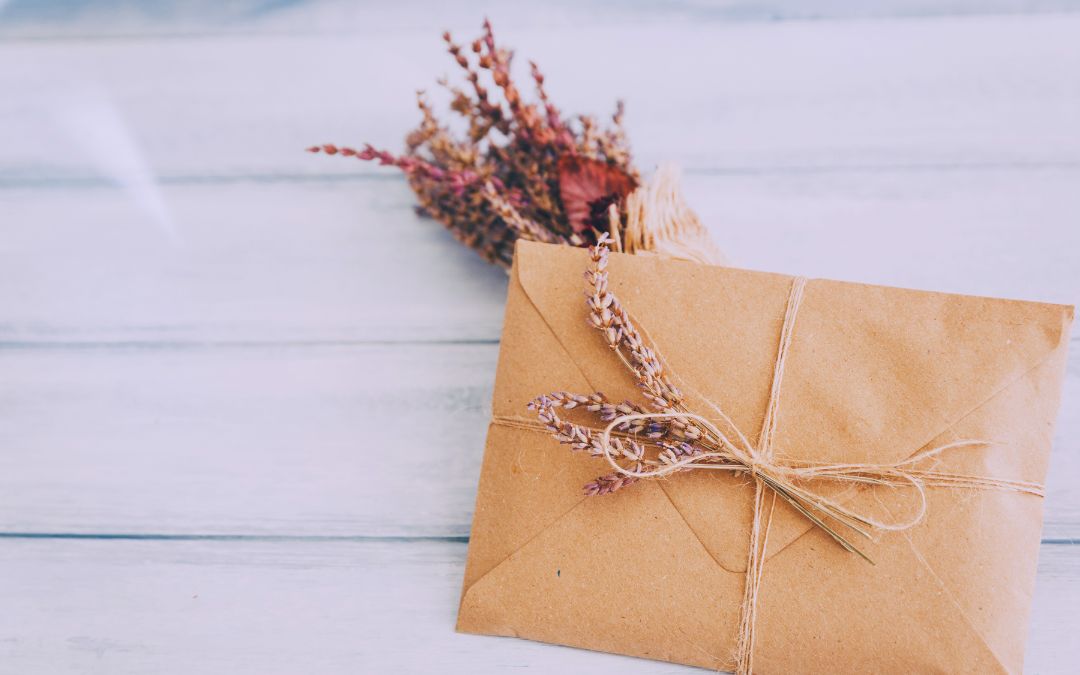
Not all template envelope designs require the same material. Lightweight, uncoated kraft stocks are ideal for natural-themed stationery or minimalist correspondence, while heavier coated or textured boards serve better in promotional or branded mailings.
When selecting a material, consider print compatibility, folding strength, and surface finish. For foil stamping or embossed details, smooth and dense sheets perform better. When working with folding carton-style constructions or multi-piece assemblies, grain direction and caliper flexibility are important to prevent cracking or misalignment.
Suppliers with a history in ecological fibers often provide materials tailored for these exact needs. Their ability to support consistent converting, printing, and sealing workflows makes them a go-to resource for designers demanding both aesthetics and sustainability.
Best Practices for Designing with Eco-Friendly Templates
Creating an envelope template starts with accounting for the physical behavior of the material. The template should include allowances for fold scores, adhesive strips, bleed zones, and cutting tolerance.
For sustainable execution, choose papers made with FSC certified recycled content and avoid synthetic coatings. Water-based or soy inks are preferred for end-of-life recyclability. Test adhesives for durability under varied environmental conditions to ensure performance in mailstream handling.
To reduce production waste, structure templates to maximize sheet yield and minimize offcuts. This is increasingly important in meeting environmental disclosures, especially for products tied to a formal agreement privacy policy or compliance document.
Where to Turn for Material Support
When developing envelope projects with elevated sustainability goals, partnering with suppliers who specialize in ecological fibers can streamline both sourcing and design alignment. These providers typically offer short-run prototyping, Pantone color matching, embossing dies, and technical support.
Design teams benefit from their deep catalog of FSC certified, acid-free, and recycled options – many of which are optimized for envelope construction, folding carton compatibility, and premium finishing like embossing or foil stamping.
The ability to combine aesthetic precision with verified environmental integrity is what distinguishes leading fiber specialists from generic paper vendors. Whether the need is a soft-touch finish or a texture inspired by acoustic panels ceiling tiles, a strategic material partner helps designers turn concepts into reality with minimal environmental cost.
In an increasingly discerning marketplace, envelope materials that look good, perform reliably, and stand for something more can transform even a simple mailing into a powerful brand statement.
Frequently Asked Questions (FAQ)
About Sustainable Template Envelope Materials
What is the best type of paper to use with envelope templates?
The best paper depends on the envelope’s purpose. Uncoated kraft papers work well for everyday correspondence, while coated or textured stocks provide a premium feel for branded mailings. Look for FSC certified, acid free, and recycled content options for added environmental value.
Can recycled paper be used effectively in envelope templates?
Yes. Recycled paper, especially when FSC certified, is ideal for envelope templates. It offers the printability, fold performance, and surface integrity needed for most commercial envelope formats while supporting sustainability goals.
How do I choose the right material thickness for folding and sealing?
Thinner papers (60–80 lb text) fold easily and are suitable for machine insertion, while thicker cover weights (up to 100 lb) support embossed finishes or structural designs. Choose based on envelope size, closure type, and printing method.
Are sustainable envelope materials compatible with foil stamping and embossing?
Yes. Many eco-friendly papers are engineered to perform well with foil stamping, embossing, and specialty finishes. Smooth surfaces and adequate density ensure clean results even on recycled or fiber-rich sheets.
How can I ensure my envelope template design reduces production waste?
Design your template to optimize sheet usage, reduce trimming, and minimize offcuts. Align folds and glue areas with grain direction. These practices improve efficiency and support sustainability reporting requirements.