Choosing the right professional paper finish is a practical decision that affects how printed materials look, feel, and perform in real environments. Designers, marketers, and packaging teams often struggle to predict how a finish will behave once it leaves the press and enters retail lighting, shipping conditions, or customer hands. The choice matters because surface finish influences color accuracy, glare, durability, and brand perception. A finish that looks perfect on screen may perform very differently on a shelf or in transit. This guide addresses those challenges directly. Glossy vs matte paper finish is not just a visual preference. It is a functional choice tied to use case, handling, and context. The sections that follow explain how each finish works, where it performs best, and how to choose confidently for packaging projects including packaging print finishes. The details matter.
Glossy vs matte paper explained
Paper finish describes how light interacts with the surface of a printed sheet or package. Glossy paper has a smooth, sealed surface that reflects light directly. This creates a shiny appearance and makes colors appear more saturated and sharp. Matte paper uses a different surface treatment that scatters light rather than reflecting it. The result is a softer, non reflective paper look with reduced glare.
Both finishes rely on coatings applied during paper manufacturing or after printing. The difference lies in how those coatings cure and how smooth the final surface becomes. High gloss paper reflects more light at consistent angles, which enhances contrast but also increases glare under bright lighting. A matte paper finish diffuses light, which lowers contrast slightly but improves readability and viewing comfort.
Neither option is inherently better. Each finish solves a different problem. Glossy surfaces attract attention and amplify imagery. Matte surfaces control reflections and support longer viewing or handling. Understanding this baseline difference helps frame every other decision that follows.
How coatings and laminations affect glossy and matte finishes
Coatings and laminations determine how a professional paper finish performs beyond appearance. A glossy paper finish usually relies on heavier coatings that seal ink at the surface. This improves color density and helps protect printed graphics from moisture and abrasion. Gloss coatings can be aqueous, UV, or film based, each offering different levels of sheen and durability.
Matte finishes often use softer coatings or laminations that maintain surface texture. These coatings still protect the print but allow light diffusion and a more tactile feel. Matte laminations can add strength to packaging while keeping reflections low. They also reduce fingerprint visibility, which matters for products handled frequently.
Paper coatings and laminations also affect ink behavior. Glossy coatings prevent ink absorption, keeping dots crisp and colors vivid. Matte coatings allow slightly more absorption, which softens edges but improves consistency across varied lighting. In packaging print finishes, lamination choice often matters as much as the paper itself. The coating determines how the package resists scuffs, humidity, and repeated handling over time.
Visual impact and color performance in glossy vs matte paper
Visual performance is often the first concern when selecting a finish. Glossy surfaces enhance perceived color depth by reflecting light uniformly. Images appear brighter, blacks look deeper, and fine details stand out. This makes glossy finishes effective for photo heavy designs and bold graphics meant to catch attention quickly.
Matte surfaces present color in a more controlled way. Because light scatters across the surface, colors appear slightly muted but more consistent across viewing angles. This consistency matters in environments with mixed lighting, such as retail stores or offices. Matte vs glossy printing often comes down to whether impact or clarity is the priority.
Another factor is glare. Glossy finishes can wash out details under direct light or glass displays. Matte paper finishes reduce this risk, making text and imagery easier to read at close range. In a professional print finishes comparison, glossy excels at vibrancy while matte excels at legibility. Matching visual performance to viewing conditions is key.
Tactile feel, handling, and durability considerations
Finish choice affects how a product feels in the hand. Glossy paper feels smooth and slick, which can signal polish and precision. However, that smoothness also shows fingerprints, smudges, and scratches more easily. Over time, heavy handling can dull the shine in high contact areas.
Matte paper has more surface texture, which creates a warmer, softer tactile experience. It resists fingerprints and minor scuffs better than gloss. This makes it practical for items handled repeatedly, such as folders, cartons, or inserts. Matte surfaces also provide better grip, which can matter in packaging assembly and use.
Durability depends on coating strength rather than finish alone. Both matte and gloss laminations can add tear resistance and moisture protection. A matte vs glossy paper packaging finish decisions often balance perceived quality with real handling demands. The best choice supports both the user experience and the product lifecycle.
What looks more professional, matte or glossy?
Professional appearance depends on context rather than finish alone. Matte finishes are often associated with restraint, clarity, and confidence. They work well for brands that value understatement and readability. In controlled environments, matte surfaces signal intention and care.
Glossy paper finishes communicate energy and immediacy. They draw the eye and emphasize imagery. In marketing driven settings, gloss can look modern and deliberate rather than flashy. The idea that one finish always looks more professional is misleading.
What matters is alignment. A finish looks professional when it supports the message, environment, and audience expectations. Matte or glossy for packaging should be chosen based on brand tone and how the product is encountered, not personal preference alone.
What is glossy paper used for in packaging and print?
Glossy paper is commonly used when visual impact is the primary goal. In packaging, it appears on retail boxes, labels, and wraps designed to stand out on shelves. The shine enhances color contrast and helps products compete visually in crowded displays.
In print you often have to consider matte vs glossy printing and how it will coe through in your finished product. Glossy finishes are used for brochures, catalogs, and promotional materials with heavy imagery. Glossy vs matte photos often favor gloss when maximum vibrancy is desired. The sealed surface also offers some protection against moisture and wear.
However, gloss requires controlled lighting to perform well. In bright or reflective environments, glare can reduce usability. Understanding what glossy paper is used for helps clarify where it delivers value and where it introduces tradeoffs.
Do professional photographers use matte or glossy finishes?
Professional photographers use both finishes, depending on purpose and display method. Glossy prints are favored for albums and prints viewed under controlled lighting. The finish enhances contrast and sharpness, which suits color rich images.
Matte prints are preferred for exhibitions, framing, and wall displays. The non reflective paper surface prevents glare from overhead lights and windows. This makes viewing more comfortable and consistent across angles.
The choice reflects intent rather than quality. Glossy vs matte photos serve different viewing conditions. The same logic applies to packaging and print. The finish should support how the work is seen and used, not just how it looks at first glance.
Glossy vs matte paper for packaging applications
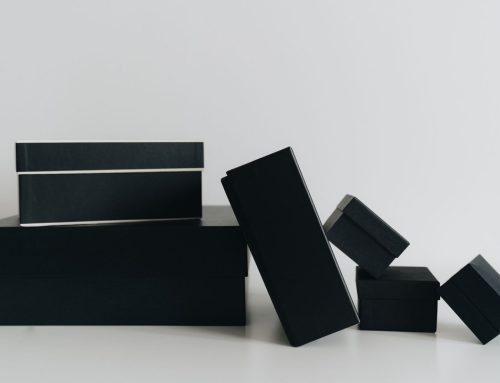
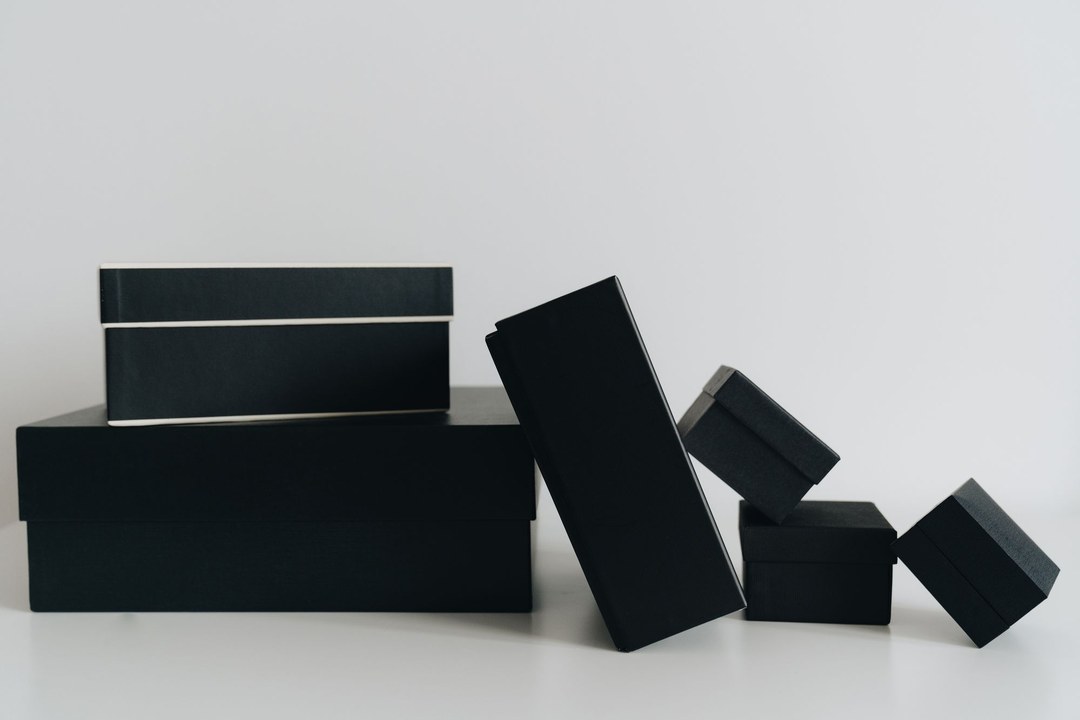
Packaging introduces additional constraints beyond appearance. Products are shipped, stacked, and handled before reaching the customer. Glossy finishes can elevate shelf appeal but may show wear during transit. Scratches and scuffs are more visible on shiny surfaces.
Matte finishes hide minor damage better and maintain a consistent look through handling. They also reduce glare under retail lighting, which helps customers read information quickly. For premium goods, matte surfaces often feel intentional and refined.
Matte vs glossy paper packaging decisions should account for supply chain realities. The best professional print finishes balance shelf impact with durability and user interaction. Testing samples under real conditions often reveals which finish performs better long term.
Choosing the right finish for your print or packaging project
Selecting a finish starts with defining the job’s priorities. Consider how the piece will be viewed, handled, and lit. Visual emphasis favors gloss. Readability and handling favor matte. Neither choice works in isolation from design, coating, or use environment.
Budget and production methods also matter. Some coatings add cost but extend lifespan or improve performance. Others focus on appearance alone. Evaluating paper coatings and laminations alongside finish type leads to better outcomes.
The most effective approach treats finish as a functional decision. When the finish supports the message, materials, and real world conditions, the result feels intentional and professional. For expert-level insight and personalized solutions, reach out to the Ecological Fibers team today.
Frequently Asked Questions About Glossy Vs Matte Paper
What is better, gloss or matte?
Neither finish is universally better. Gloss offers stronger color impact and visual intensity. Matte provides better readability and reduced glare. The right choice depends on how and where the printed piece will be used.
What looks more professional, matte or glossy?
Professional appearance depends on context. Matte often feels refined and controlled, while glossy feels bold and energetic. Both can look professional when matched to the brand and environment.
What is glossy paper used for most often?
Glossy paper is used for image driven print such as brochures, retail packaging, and promotional materials. The finish enhances color and contrast. It works best in controlled lighting conditions.
Do professionals prefer matte or glossy prints?
Professionals choose based on purpose rather than preference. Glossy is common for albums and marketing visuals. Matte is preferred for displays, packaging, and situations where glare must be minimized.