Paper choice has a direct impact on how printed materials look, feel, and perform. Many professionals understand paper weight and color but struggle to evaluate surface characteristics. Texture adds another layer of complexity, especially when terms are used inconsistently across suppliers and print shops. Choosing the wrong surface can lead to poor readability, uneven ink coverage, or an overall mismatch with the project’s intent. This is why understanding the types of textured paper matters. A textured surface influences visual tone, tactile experience, durability, and production outcomes. It also affects how a finished piece is perceived by the end user. This article provides a clear, practical explanation of textured paper, how it is made, and how different textures function in real-world specialty applications. The goal is to support informed, confident decisions. Clarity matters.
What Is Textured Paper?
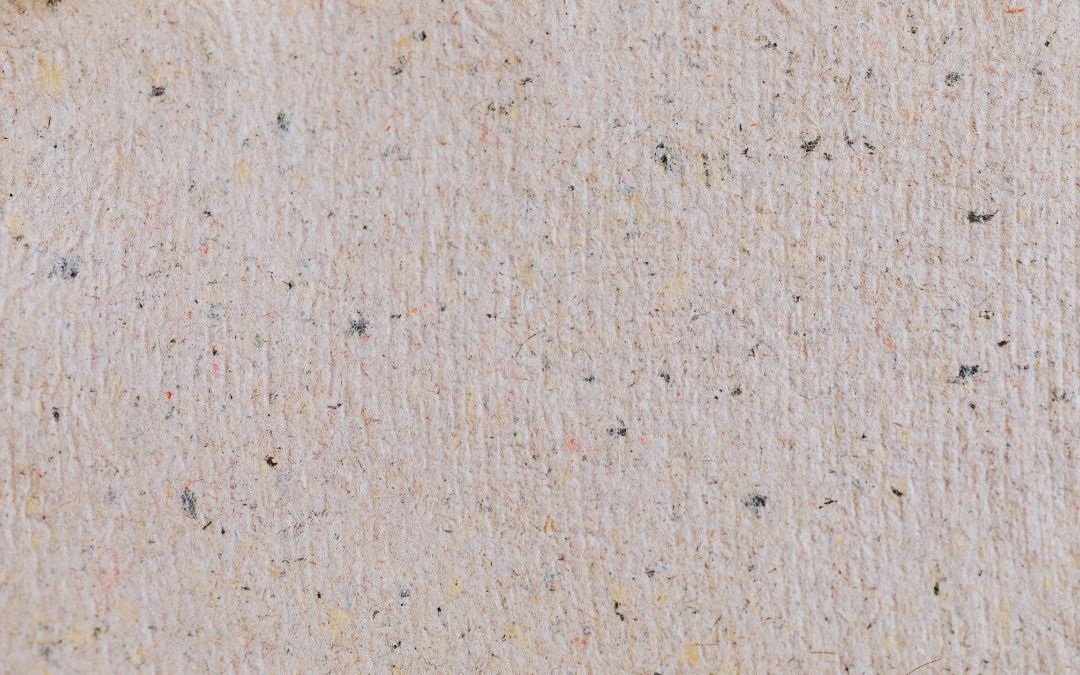
Textured paper is defined by intentional variation in its paper surface texture. Unlike smooth stocks, it has a tactile or visual pattern that can be felt when handled or seen under light. These surface variations may appear as lines, fibers, dimples, or raised patterns. In most cases, the texture is created during manufacturing rather than added as a surface treatment. This distinction affects consistency and performance.
Texture influences how ink interacts with the sheet. Deeper textures absorb ink unevenly, which can soften fine detail and reduce sharpness. Lighter textures maintain better clarity while still adding character. Texture also changes how light reflects, which affects color perception and contrast.
It is important not to confuse texture with coating or finish. Texture refers to physical structure, while coatings modify how that structure behaves. Many specialty paper textures remain uncoated to preserve their natural feel and appearance.
What Are the Different Types of Textured Paper?
There are many different types of textured paper, and they are typically classified by how the surface is formed. Some textures originate during the wet stage of papermaking, while others are added later through mechanical processes. Understanding these categories helps narrow choices and reduces confusion during specification.
Common textured paper types include linen, laid, felt, vellum, embossed, and handmade papers. Linen paper texture features a woven crosshatch pattern created by a patterned mold. Laid paper displays parallel lines known as chain lines, which give it a traditional appearance. Felt paper has an irregular, soft surface formed by felt blankets during pressing.
Embossed paper differs because the texture is pressed into the sheet after it dries. Handmade paper texture varies widely due to manual processes and fiber distribution. Each category behaves differently in printing, folding, and finishing, which makes classification essential for successful outcomes.
What Are the Most Common Paper Textures Used Today?
Modern printing relies on a core group of textures that balance appearance with reliable performance. Linen paper texture remains widely used for stationery, corporate communications, and premium marketing materials. It provides visual interest without interfering significantly with readability. Laid paper is also common, especially for certificates and formal documents where tradition and structure matter.
Felt paper is frequently chosen for invitations, menus, and specialty announcements. Its soft surface enhances tactile appeal but can reduce image sharpness. Vellum paper texture sits between smooth and textured stocks, making it versatile for both digital and offset printing. It supports color well while still offering subtle tooth.
Textured cardstock is commonly used for covers, tags, and packaging. These heavier stocks enhance durability and perceived value. Handmade and highly irregular textures appear less often due to cost and variability, but they remain important in niche and artisanal applications.
What Are the 5 Different Textures of Paper?
When people refer to the five main textures, they usually mean the most recognizable paper texture types used across print applications. These include smooth, linen, laid, felt, and vellum. Together, they represent a practical range from minimal to pronounced surface variation.
Smooth paper provides a baseline for comparison and prioritizes clarity. Linen introduces a structured, fabric-like pattern. Laid paper adds visible linear texture with a traditional tone. Felt paper offers softness and depth through irregular compression. Vellum provides a lightly textured surface that balances character and print fidelity.
These five textures cover most everyday needs and help define the different types of paper texture available. Many specialty variations build upon these foundations rather than replacing them. Understanding this core set simplifies material selection and communication with printers.
What Is Fuzzy Paper Called?
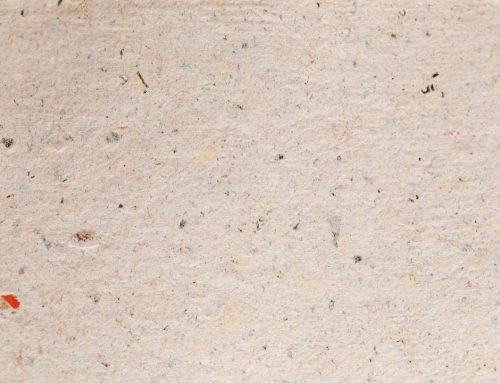
Fuzzy paper is an informal term rather than a technical classification. In most cases, it refers to felt paper or heavily textured handmade paper. Felt paper has a soft, fibrous feel created by uneven pressure during manufacturing. The surface resembles fabric more than a flat sheet.
Some people also use fuzzy to describe decorative paper textures such as flocked paper. These materials use adhesives and applied fibers to create a velvety surface. While visually striking, they behave very differently from traditional paper and can be difficult to print.
For standard print and packaging applications, felt paper is the closest match to what most people mean by fuzzy paper. It offers tactile interest while remaining compatible with common production methods when used thoughtfully.
How Textured Paper Is Made
Textured paper is produced through several controlled processes, each influencing consistency and performance. Some textures form during sheet creation when wet pulp settles against patterned molds. This method produces linen and laid textures with consistent results. The mold design directly shapes the paper surface texture.
Other textures develop during pressing and drying. Felt blankets compress fibers unevenly, creating soft, organic surfaces. Embossed paper is created after drying by pressing patterns into the sheet using engraved rollers. Handmade paper relies on manual techniques, resulting in natural variation.
Each method affects strength, ink absorption, and durability. Mold-based textures tend to be uniform. Embossed textures may flatten under pressure. Handmade textures are unique but less predictable. Knowing how texture is created helps anticipate performance across applications.
Textured Paper vs Smooth, Coated, and Finished Papers
Paper finishes vs textures is a frequent source of confusion. Texture describes physical surface variation, while finishes and coatings alter how that surface interacts with ink and light. Smooth paper may still have a finish applied, but it lacks structural variation.
Coated papers use layers of clay or polymers to control absorption and sheen. These coatings can fill in texture and reduce tactile impact. Textured papers are often uncoated textured paper to preserve surface detail. Finished papers may include matte or satin treatments that change appearance without altering structure.
Understanding these distinctions is critical for selecting the right material. A textured, uncoated sheet will behave very differently from a smooth, coated one. Matching texture, finish, and printing method ensures consistent results.
How to Choose the Right Type of Textured Paper for Your Project
Choosing the right texture starts with defining the project’s purpose. Readability, tactile impact, and durability should guide the decision. Printing method is also critical. Digital printing performs best on lighter textures, while offset printing can handle deeper variation.
Paper weight influences how texture is perceived and how the sheet handles finishing. Heavier stocks emphasize texture but increase cost and rigidity. Environmental conditions and handling requirements also matter, as some textures show wear more quickly.
Sampling remains essential. Texture can look subtle on screen but feel pronounced in hand. Aligning design complexity with surface variation reduces risk and improves outcomes across specialty applications.
Common Uses for Textured Paper in Specialty Applications
Textured paper is widely used where perception and experience matter. Invitations, announcements, and stationery benefit from surfaces that signal care and quality. Packaging often relies on textured cardstock to enhance brand value and shelf presence. Tags and labels use texture to create distinction.
Marketing materials use texture to draw attention and create contrast. Certificates and fine art prints rely on texture to convey authenticity. Specialty paper textures succeed when they support the message rather than overpower it.
In each case, thoughtful selection ensures that texture enhances both function and appearance. The best results come from balancing surface character with production realities.
For Expert Guidance and Practical Support
Understanding textured paper supports better decisions across design, printing, and production. Surface choice affects performance, perception, and longevity. With clear knowledge, texture becomes a strategic tool rather than a risk. Informed selection improves consistency and reduces waste. It also supports better outcomes across specialty applications. For expert-level insight and personalized solutions, reach out to the Ecological Fibers team today.
Frequently Asked Questions About Types Of Textured Paper
What are the different types of textured paper?
Textured paper includes linen, laid, felt, vellum, embossed, and handmade varieties. Each type is defined by how its surface is formed during manufacturing. The texture affects appearance, feel, and print behavior. Choosing the right type depends on the project’s goals and constraints.
What are the 5 different textures?
The five commonly referenced textures are smooth, linen, laid, felt, and vellum. These represent the most widely used paper texture types. They range from minimal surface variation to soft, fabric-like finishes. Each supports different printing and design needs.
What is fuzzy paper called?
Fuzzy paper usually refers to felt paper or heavily textured handmade paper. Felt paper has a soft, fibrous surface created during pressing. It offers strong tactile appeal but requires careful design and printing. It is often used for invitations and specialty materials.
What is textured paper?
Textured paper is paper with intentional surface variation that can be seen or felt. The texture is created through molds, pressing, embossing, or manual techniques. It differs from smooth or coated paper in how it interacts with ink and light. Texture adds character and sensory interest to printed pieces.