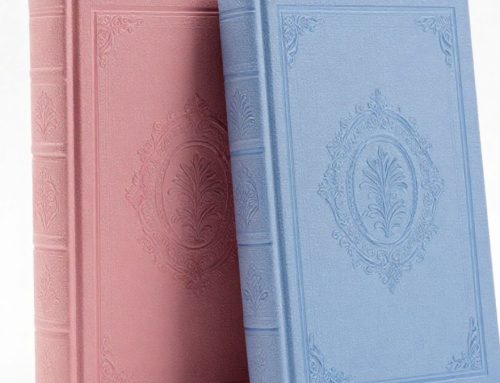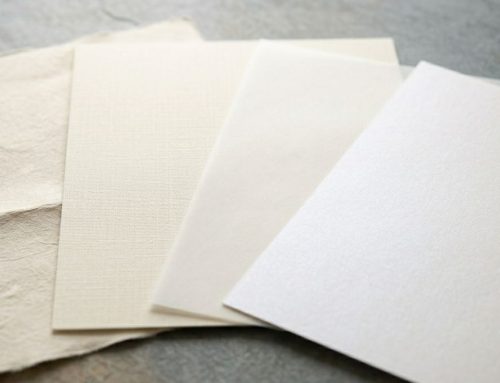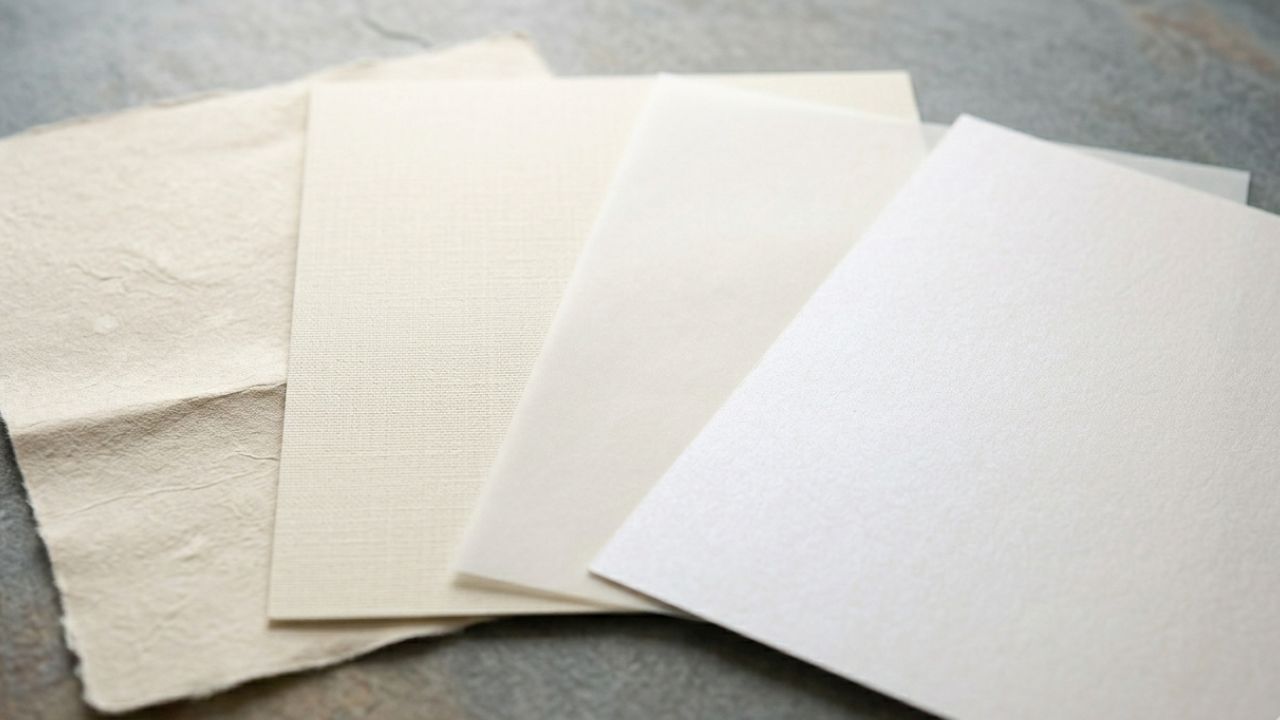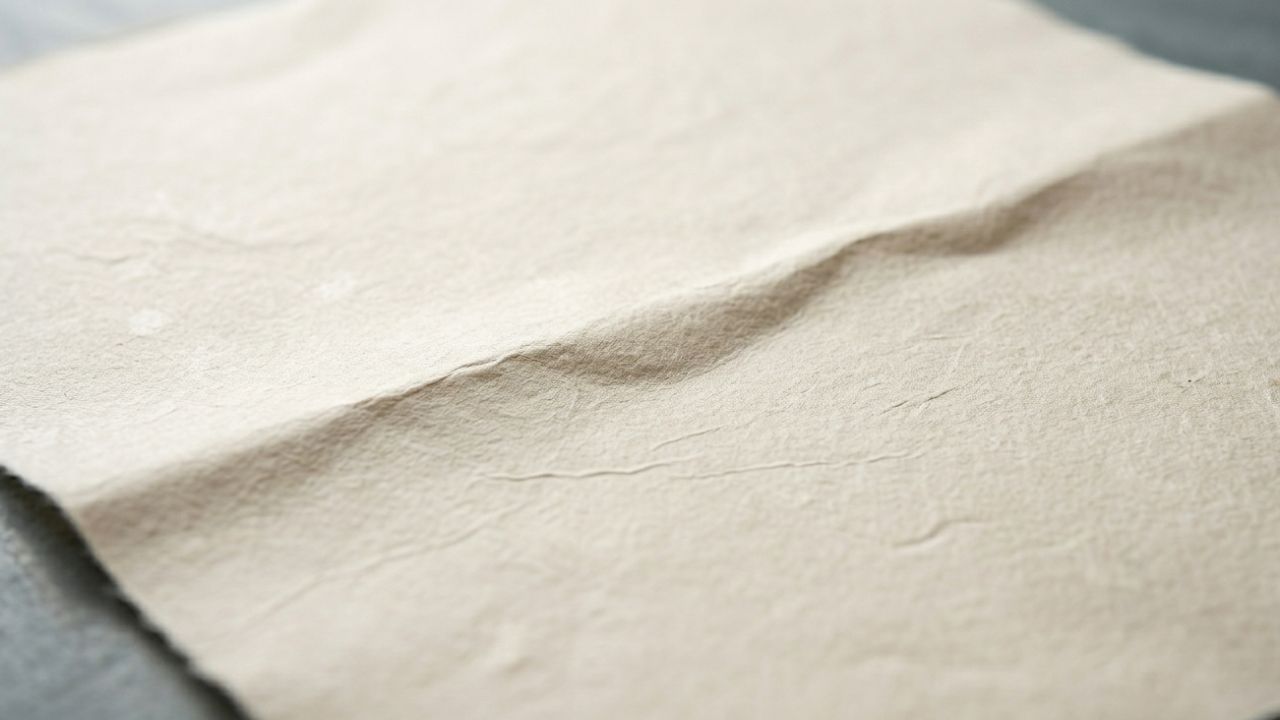
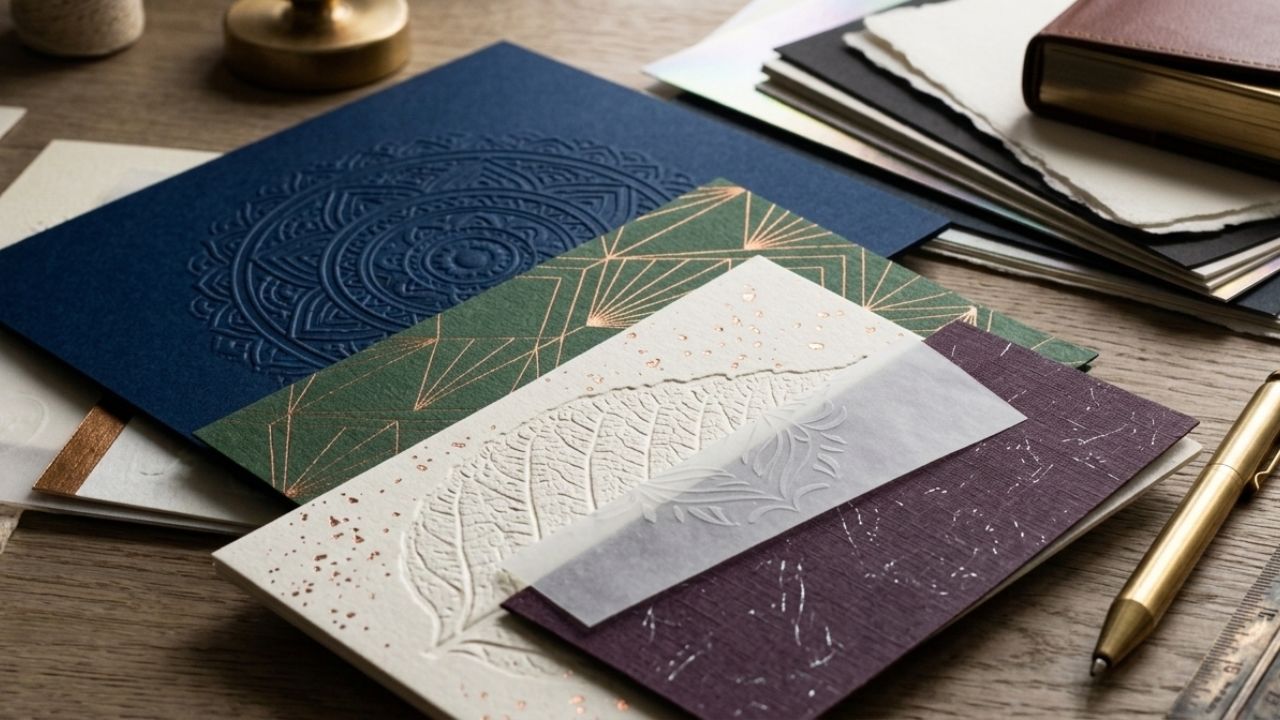
Choosing paper for a premium brand is rarely straightforward. Paper is not just a surface for ink or a protective layer around a product; it is a material expression of brand values. The way a paper feels, folds, and holds print directly shapes how customers perceive quality, credibility, and attention to detail. In premium markets, these impressions are formed quickly and can be difficult to reverse.
Specialty Paper for Premium Brands sits at the intersection of design, production, and material science. A stock that performs beautifully for stationery may fail when converted into packaging, while a visually striking paper may lose its appeal once handled repeatedly. These challenges make paper selection a strategic decision rather than a purely aesthetic one.
This guide explains how to evaluate specialty paper in practical, outcome-focused terms. It connects paper characteristics to real-world brand applications, helping designers, marketers, and packaging teams make informed choices that hold up in production and in the hands of customers.
What makes specialty paper feel premium for brands
Premium paper creates confidence through physical experience. Before a customer reads copy or studies design details, they instinctively assess texture, stiffness, and weight. These tactile signals influence whether a brand feels intentional, credible, and worth the price being asked. Specialty paper feels premium when those signals align with the brand’s positioning and promise.
Texture is often the most noticeable factor, but it must be used with restraint. Subtle felt marks, linen patterns, or light tooth can communicate craftsmanship and care without distracting from typography or graphics. Smooth papers can feel equally premium when they are dense, well-formed, and paired with refined finishes. What matters most is that the surface feels purposeful rather than ornamental.
Weight and bulk reinforce this perception. A thicker sheet that resists bending feels more substantial and durable, even when the design itself is minimal. Bulk often matters more than basis weight, since high-bulk papers can feel luxurious without excessive material use. Even sound plays a role, as crisp folds and clean closures signal precision.
Consistency ties everything together. Premium papers maintain uniform color, texture, and performance across runs. When every piece feels cohesive, the brand experience feels deliberate and elevated rather than improvised.
What is premium quality paper
Premium quality paper is defined by reliability, performance, and longevity rather than price alone. It begins with fiber selection, which determines strength, softness, and how the sheet responds to printing and finishing. Cotton papers are known for durability and tactile warmth, while high-quality cellulose papers can offer excellent formation and crisp detail. Recycled and alternative-fiber papers can also meet premium standards when engineered carefully.
Manufacturing control is critical. Premium papers are produced with tight tolerances for basis weight, caliper, and moisture content. This stability reduces issues such as curling, waviness, and registration problems on press. Consistent formation also improves ink holdout, which is especially important for clean solids, fine typography, and smooth gradients.
Surface treatment further distinguishes premium grades. Internal sizing and coatings regulate ink absorption and drying, improving sharpness and color accuracy. Uncoated premium papers balance tactility with print clarity, while coated papers provide predictable performance for image-heavy designs. Over time, premium quality paper resists yellowing, scuffing, and fiber breakdown, protecting long-term brand materials.
The core paper specs that matter most
Paper specifications translate creative goals into physical results. Basis weight is often the first consideration, but it should not be evaluated in isolation. Two papers with the same weight can feel entirely different depending on fiber composition, formation, and bulk. Premium projects require a more holistic view of specifications.
Caliper, or thickness, strongly influences perceived quality. Thicker sheets feel more substantial and typically perform better in packaging and folded applications. Bulk describes thickness relative to weight, and high-bulk papers can deliver a premium feel without unnecessary material costs. Stiffness also matters, particularly for pieces that must hold shape or remain flat.
Finish affects both visual and tactile performance. Coated papers support sharp imagery and saturated color, while uncoated finishes offer warmth and texture. The right choice depends on design intent, print method, and how the piece will be handled. Color consistency, shade, and brightness are also critical, as subtle shifts in white point can alter brand colors. Opacity prevents show-through in stationery and folded pieces, while grain direction influences folding quality and curl.
The main types of specialty paper and when to use each
Specialty paper categories are best understood by what they enable. Cotton-based papers are widely used for brand identity systems, stationery, and invitations because they combine durability with a refined tactile feel. They perform well with embossing and letterpress and support understated, confident design. However, they may be less suitable for heavy imagery or high ink coverage.
Textured papers such as felt, linen, laid, and stipple add tactile interest and visual depth. They work well for logos and typographic designs where the surface itself contributes to the aesthetic. In packaging, textured papers can elevate rigid boxes, though they require testing to ensure they do not crack or scuff during handling.
Coated specialty papers are often chosen when visual precision is critical. Satin, matte, gloss, and specialty coatings provide controlled ink absorption and consistent color reproduction. These papers are common in premium packaging and marketing materials that rely on photography or bold graphics. Metallic and pearlescent papers introduce reflective qualities that signal luxury when used sparingly.
Synthetic and hybrid papers offer durability and resistance to moisture or oils. While less traditional, they can be appropriate for premium applications where performance is part of the brand story. The best choice always depends on the application, finishing plan, and desired customer experience.
Popular finishes and effects that elevate brand perception
Finishing techniques often define the difference between standard and premium print. Embossing and debossing add physical depth that customers can feel, reinforcing logos and patterns without relying on color. These techniques work best on papers with strong fibers and good compressibility, and they are most effective when used with restraint.
Foil stamping adds controlled shine and contrast that is closely associated with luxury. It can highlight logos, borders, or small details that reward close inspection. Foil performance depends on surface smoothness and heat tolerance, making paper testing essential. Some textured papers create intentionally broken foil effects, which may suit certain brand aesthetics.
Spot UV and raised varnishes create contrast through gloss and texture, especially on matte or soft-touch surfaces. Soft-touch coatings add a velvety feel that encourages handling but require careful consideration of scuff resistance and recyclability. Edge painting, duplexing, and specialty die cutting can also elevate brand materials when aligned with the overall design intent rather than used as decoration.
Best specialty paper choices for premium packaging
Premium packaging paper must balance visual appeal with structural reliability, especially when it is part of a broader system of luxury packaging materials that includes boards, wraps, and interior elements. Folding cartons often use one-sided coated boards such as ivory board because they provide clean print surfaces and consistent scoring performance. These boards are common in cosmetics, fragrance, and personal care packaging where graphics and precision matter.
Rigid packaging opens the door to more tactile choices. Uncoated or lightly textured wrap papers can add warmth and authenticity to boxes, especially for luxury goods and giftable products. These papers should be tested for corner cracking, adhesive compatibility, and abrasion resistance. Smooth or coated wraps may be better suited for designs with heavy ink coverage.
Interior materials are equally important to the unboxing experience. Decorative stuffing paper and luxury box filler paper add visual volume and protection, while crinkle paper provides cushioning and texture. Tissue paper offers a softer layer that protects finishes and creates a controlled reveal. Paper void fill stabilizes products during shipping while reinforcing sustainability goals when chosen carefully.
Premium packaging paper should feel cohesive from exterior to interior. Increasingly, brands seek sustainable packaging paper that maintains a premium appearance through recycled content, responsible sourcing, and refined finishes.
Best specialty paper choices for brand identity and stationery
Stationery is where paper quality is examined most closely. Business cards, letterheads, and folders are handled repeatedly and viewed at close range, making fiber quality and surface consistency critical. A premium stationery set often uses uncoated or slightly textured paper that shows authenticity and professionalism.
Cotton papers are a popular choice for stationery because they feel soft yet strong and support finishing techniques such as embossing. High-quality uncoated cellulose papers can also work really well, especially for digital printing systems that need consistent results. Texture should support legibility, as overly aggressive surfaces can interfere with fine type.
Weight and opacity influence perceived value and usability. Heavier stocks feel more confident, while sufficient opacity prevents show-through on letterheads and folded pieces. Consistency across all stationery components strengthens brand identity and reduces the impression of mismatched materials.
Best specialty paper choices for invitations and luxury marketing print
Invitations and luxury marketing materials aim to build excitement and emotional connection. High-weight cardstock provides structure for layered designs, inserts, and specialty finishes. Cotton and textured papers enhance formality and craftsmanship, making them well suited to invitations and announcement pieces.
Translucent vellum adds depth and intrigue when used as overlays or wraps, though it requires careful handling and testing to avoid scratches and ink issues. For marketing print that relies on imagery or bold color, coated specialty papers offer predictable results and strong visual impact.
Durability is especially important for luxury marketing print, as these pieces are often kept, displayed, or shared. Paper that resists scuffing and wear helps preserve brand perception over time, extending the life of the marketing investment.
Sustainability in premium papers without sacrificing aesthetics
Sustainability has become an expectation rather than a differentiator for many premium brands. Thanks to improvements in manufacturing, sustainable packaging paper now looks just as good as traditional paper. This means brands can be eco-friendly without giving up on style.
Recycled content can add subtle character through natural variation, which often reads as authentic rather than imperfect. Certifications such as FSC provide credibility, but brands should understand and communicate what those certifications represent. Alternative fibers like hemp or agricultural waste reduce reliance on virgin pulp and can create distinctive textures valued in premium design.
The strongest sustainability strategies integrate material choice into the overall brand system. When environmental responsibility is reflected in both aesthetics and performance, it reinforces rather than detracts from perceived quality.
How to source, test, and finalize paper with printers and suppliers
Effective paper selection is a collaborative process. Early engagement with printers helps identify technical constraints related to print method, finishing, and converting. A paper that performs well on one press may behave differently on another, making testing essential.
Physical samples provide insight that specifications cannot. Swatches reveal texture, rigidity, and color under real lighting, while test prints show how inks, foils, and embossing behave. Packaging prototypes should include scoring, folding, and abrasion testing to uncover potential issues early.
Suppliers such as Neenah Paper, Gmund, and Fedrigoni offer sample programs and technical resources that support informed decisions. Finalizing paper should include documentation of exact grades, weights, and finishes to ensure consistency over time.
For expert-level insight and personalized solutions, reach out to the Ecological Fibers team today.
Frequently Asked Questions About Specialty Paper For Premium Brands
What is prestige paper
Prestige paper is paper selected to convey exclusivity through material quality and tactile experience. It typically features refined fibers, controlled finishes, and consistent performance. Prestige is as much about perception as it is about specification.
What is premium quality paper
Premium quality paper performs reliably in printing and finishing while maintaining its appearance over time. It combines stable manufacturing, consistent color and thickness, and a surface engineered for its intended use. The best measure of quality is how well the paper supports the application.
What are the different types of specialty paper
Specialty paper includes cotton, textured, coated, metallic, translucent, synthetic, and sustainable grades. Each type serves different design and functional goals. Selecting the right type depends on application, printing method, and brand intent.
What is the highest quality paper
The highest quality paper depends on the use case. Cotton papers are often ideal for stationery and invitations, while premium coated boards may be best for packaging. Quality is determined by fit, not by a single universal standard.