
TL;DR
Metallic paper and metallized paper help brands create premium packaging and print experiences through reflective, shimmering, and metal-like finishes. These specialty materials are commonly used for luxury packaging, labels, book covers, and branded print projects where visual impact and perceived value matter. Selecting the right material requires balancing appearance, print performance, durability, and sustainability considerations.
In premium packaging and branded print, material choice can significantly influence how customers perceive a product. A well-chosen substrate can enhance shelf presence, support brand storytelling, and create a memorable first impression before a package is even opened.
Metallic paper is widely used by designers, printers, publishers, and packaging professionals seeking to add visual distinction to packaging and printed materials. From luxury rigid boxes and folding cartons to labels and book covers, metallic and metallized papers offer a range of decorative effects that help brands stand out in competitive markets.
What Is Metallic Paper
Metallic paper is a specialty paper designed to create reflective, shimmering, or metal-inspired visual effects. The term can describe a variety of substrates, including metallic cardstock, decorative cover papers, and specialty papers used for premium packaging and printing applications.
A metallic paper sheet may feature subtle pearl-like effects or highly reflective surfaces that resemble polished metal. Depending on the finish, metallic paper can communicate luxury, sophistication, energy, or craftsmanship.
Many people use the terms metallic paper and foil paper interchangeably, although they are not always the same material. Metallic paper generally refers to paper substrates with metallic visual effects, while foil applications often involve separate foil stamping or foil-based embellishments.
What Is Metallized Paper
Metallized paper is a specific type of metallic paper that incorporates a thin metal layer on a paper substrate. One of the most common production methods is vacuum metallization, which deposits a microscopic metal coating onto the paper surface.
This process creates the appearance of metal while maintaining many of the handling and printing characteristics associated with paper. As a result, vacuum metallized paper is commonly used for premium labels, folding cartons, luxury packaging, and other decorative print applications.
Although metallic paper and metallized paper are closely related, metallized paper typically refers to substrates that have undergone a metallization process, while metallic paper may describe a broader range of specialty materials.
How Metallic and Metallized Papers Create Visual Impact
Metallic and metallized papers are valued because they interact with light differently than conventional paper surfaces. Their reflective qualities create movement, depth, and visual contrast that can attract attention in retail environments and enhance the overall presentation of a brand.
These materials are available in a wide range of metallic paper finishes. Glossy metallic paper produces strong reflectivity and dramatic visual impact, making it popular for packaging intended to stand out on crowded shelves. Matte metallic paper creates a softer appearance that many luxury brands prefer because it feels refined and understated.
Color also plays an important role. Metallic paper gold remains a popular choice for brands seeking to communicate prestige, while metallic paper silver is often associated with modern, contemporary design. Additional options may include bronze, copper, champagne, pearl, textured finishes, and woven metallic effects.
Applications for Metallic Paper in Premium Packaging
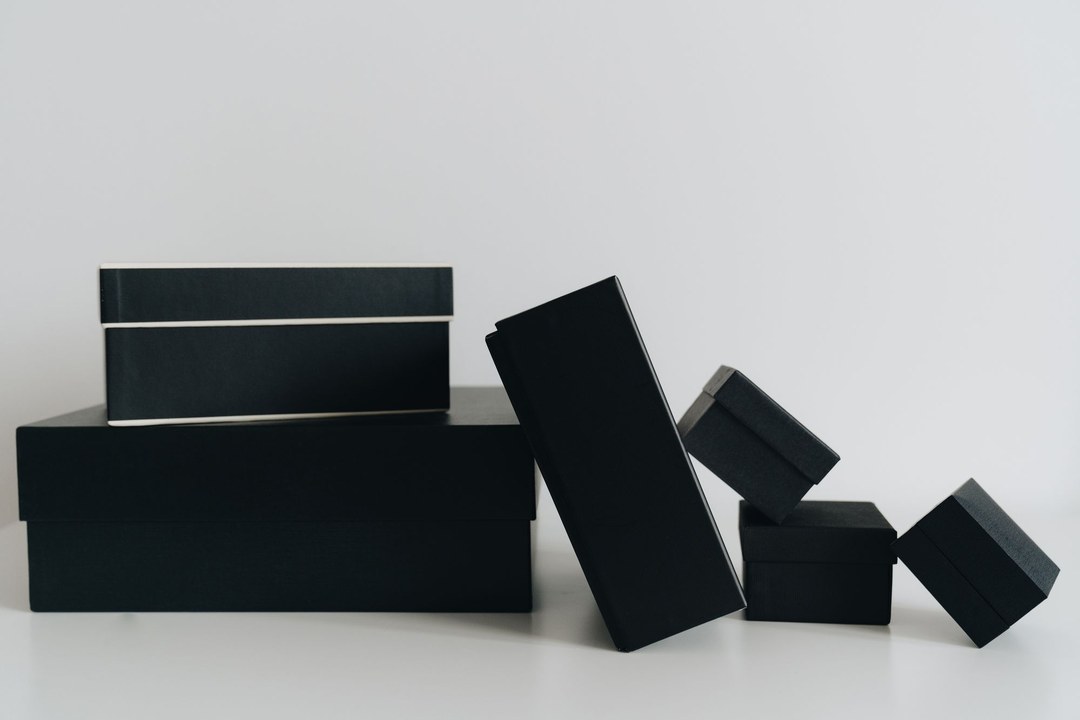
Metallic paper for packaging is widely used across industries where presentation influences purchasing decisions. Luxury rigid boxes, folding cartons, gift packaging, labels, presentation folders, and promotional materials frequently incorporate metallic surfaces to create a premium appearance.
The visual qualities of metallic paper can help increase shelf visibility while reinforcing product quality and brand positioning. Rather than relying solely on graphics or embellishments, brands can use the substrate itself as a design element that supports the overall customer experience.
Book manufacturers and publishers also use metallic paper for printing premium book covers, collector editions, and specialty publications. The reflective qualities of these materials can enhance visual storytelling and create a more distinctive finished product.
Choosing the Right Metallic Paper
Selecting the right metallic paper requires more than choosing a color or finish. Designers, printers, and packaging teams should evaluate how the material will perform throughout production and throughout the product’s lifecycle.
Metallic paper for printing must be compatible with the intended printing methods, coatings, and finishing techniques. Surface reflectivity can influence how graphics, typography, and imagery appear, making print testing an important step for many projects.
Converting requirements should also be considered. Folding cartons, rigid boxes, labels, and book covers may place different demands on a substrate. Durability, texture, color consistency, and finishing requirements all influence material selection.
Specialty papers, coated papers, and decorative cover materials can provide additional flexibility when balancing appearance and performance. For projects that benefit from a woven metallic aesthetic, the Metallium woven cover line offers another option for creating premium visual effects.
Sustainability Considerations
As brands increasingly evaluate packaging sustainability, metallic materials often receive additional scrutiny. Some paper-based metallized materials may offer advantages over certain plastic-based metallized films when they are designed for compatible recycling streams.
However, recyclability and environmental performance depend on multiple factors, including material construction, coatings, adhesives, inks, fiber content, end use, and available local recycling infrastructure. Because these variables differ from one product to another, no universal recyclability claim should be assumed.
A thoughtful evaluation of the complete packaging system is essential when comparing metallic and metallized material options and assessing sustainability goals.
Explore Premium Metallic Material Options
Metallic and metallized papers provide designers, publishers, and packaging professionals with versatile tools for creating memorable brand experiences. Whether the goal is enhanced shelf presence, luxury positioning, or greater visual distinction, the right substrate can elevate both packaging and printed materials.
As you evaluate metallic paper options, consider surface finish, texture, print compatibility, durability, and sustainability factors alongside your broader branding objectives.
Connect with Ecological Fibers to explore sustainable material solutions that support your performance, packaging, and brand goals.
Key Takeaways
- Metallic paper creates reflective and shimmering effects that enhance premium packaging and print applications.
- Metallized paper uses a thin metal layer, often applied through vacuum metallization, to achieve a metallic appearance.
- Metallic paper finishes include glossy, matte, textured, gold, silver, and other decorative effects.
- Metallic paper for packaging is commonly used in luxury boxes, folding cartons, labels, and gift packaging.
- Material selection should consider print compatibility, converting requirements, durability, texture, and appearance.
- Sustainability depends on material construction, coatings, end use, and available recycling infrastructure.