TL;DR
Foil stamping adds a premium metallic or pigmented finish to book covers using heat and pressure. It works best on materials like cloth, PU, and coated stocks but requires careful design and cost planning. Understanding the process, materials, and limitations helps designers achieve consistent, high-quality results.
Designing a book cover requires more than strong visuals. Finishing choices influence how a book feels, reflects light, and communicates value. Foil stamping book cover decisions often come late in production, yet they affect cost, materials, and feasibility. That creates risk.
Many designers understand the look but not the manufacturing process. That gap can lead to poor material choices, unclear artwork, or unexpected costs. This guide explains what foil stamping in printing is, how it works in book production, and how to align design intent with real-world manufacturing constraints.
What is foil stamping in printing
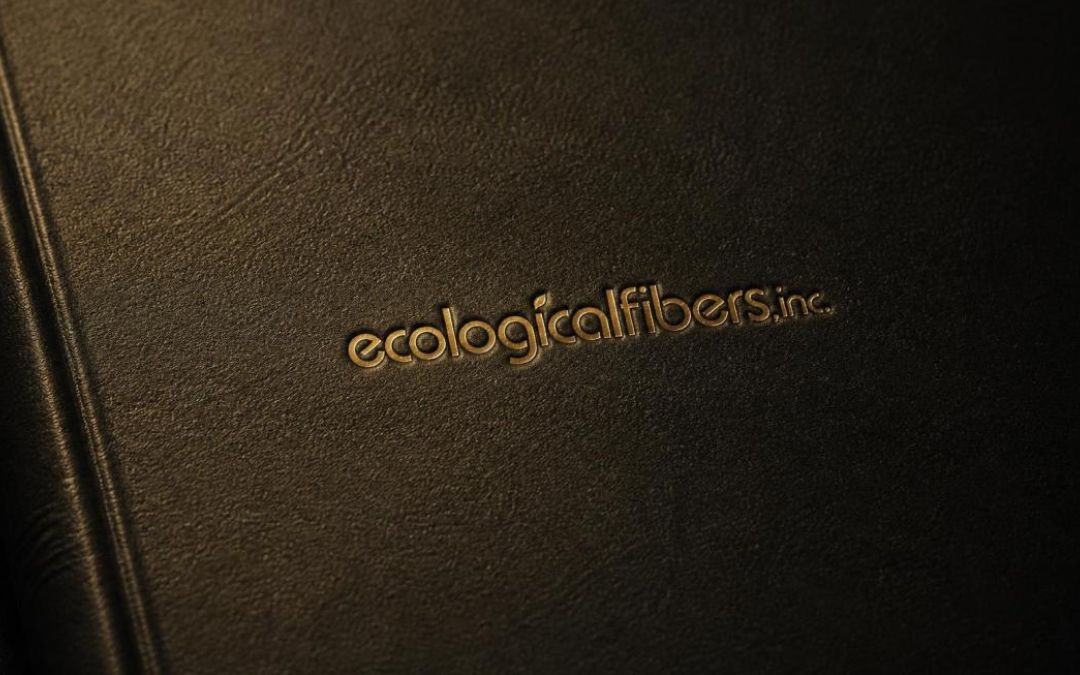
Foil stamping for book covers is a finishing method that applies a thin layer of foil using heat, pressure, and a custom die. The die transfers foil only where the design requires, creating sharp, clean edges that stand apart from printed ink.
When asking what is foil on a book cover, it refers to this bonded layer of metallic or colored foil that sits on the surface. It reflects light differently than ink and adds a subtle tactile impression. This effect is why metallic foil book cover design is often used for titles, logos, and decorative elements.
There are two primary foil types used in foil stamping materials book covers. Metallic foil produces reflective finishes such as gold, silver, and holographic tones. Pigment foil vs metallic foil differs in that pigment options are non-reflective and appear as solid colors. Pigment foils are useful when designers want contrast without shine, while metallic foils emphasize light and visibility.
This technique is widely used for foil stamped hardcover books because rigid covers handle pressure well and maintain consistent results across large runs.
The book cover foil stamping process explained
The book cover foil stamping process starts with vector artwork that defines the stamped areas. This artwork is used to create a metal die, typically brass or magnesium, which carries the design in relief.
During hot foil stamping book cover production, foil is placed between the die and the cover material. Heat and pressure activate the adhesive layer in the foil, bonding it to the surface. This answers the common question of how do you do foil stamping in a manufacturing setting.
Because the process relies on a physical die, setup is required before production begins. This adds cost and lead time, but it ensures repeatability once the press is running. Each impression is consistent, making the process reliable for large print quantities.
Registration is important when combining foil with printed elements. Slight misalignment can affect visual quality, so designers should allow space between foil and detailed printed graphics when possible.
The process also compresses the surface slightly, which contributes to the final look. This subtle impression is part of the aesthetic and should be considered during design development.
Materials and design considerations for foil stamping
Foil stamping for book covers materials and design decisions are closely connected. Different substrates react differently to heat and pressure, which affects the final result.
Cloth covers are common in hardcover books but have natural texture. This can break up foil coverage, making fine details harder to achieve. PU and synthetic leather materials offer smoother surfaces and more consistent adhesion, making them suitable for detailed designs.
Coated paper stocks provide the cleanest results because of their smooth surface. They allow for precise edges and even foil coverage. However, lamination can affect adhesion, so material selection should be confirmed early.
Foil stamping limitations printing often relate to design detail. Very thin lines and small text may not transfer clearly, especially on textured materials. Designers should prioritize bold shapes and legible type to ensure quality results.
Color interaction also matters. Pigment foils can be influenced by the underlying material, while metallic foils tend to maintain their appearance. Understanding this helps designers predict final outcomes more accurately.
Foil stamping vs embossing and other finishes
Foil stamping vs embossing is a key distinction in book cover finishing techniques. Foil stamping adds color or shine, while embossing changes the surface height. Embossing raises the design, and debossing presses it inward.
These techniques can be combined to create dimensional effects. Foil embossing produces raised metallic elements that are often used for titles or branding on premium covers.
Other finishing methods provide alternatives. Spot UV adds gloss contrast, and lamination changes texture and durability. Digital foil processes eliminate the need for a die, but they may not match the sharpness or durability of traditional methods.
Understanding the difference between foil stamping and foil embossing helps designers choose the right solution based on design goals and production constraints.
Cost factors and production considerations
Foil stamping cost book covers depends on several variables. The most significant cost is the custom die, which is required for each design. This fixed cost makes foil stamping more efficient for larger print runs.
The size of the stamped area also affects cost. Larger designs require bigger dies and longer press time, increasing both setup and per-unit expenses. Placement on the cover, spine, or back can also impact production complexity.
Material choice influences cost as well. Some substrates require slower processing or additional setup to achieve proper adhesion. These factors can increase production time and cost.
What are the disadvantages of hot foiling often relates to these realities. The process requires upfront investment, limits last-minute design changes, and adds lead time. If errors are found after the die is created, it must be remade.
Despite these factors, foil stamping remains a popular option because of its durability and premium appearance. When planned correctly, it delivers consistent results and strong shelf presence.
Making informed decisions for book cover finishing
Selecting foil stamping for a book cover requires balancing aesthetics, materials, and production constraints. Early planning helps avoid common issues and ensures the design translates effectively into production.
Clear specifications are essential. Designers should define foil type, placement, size, and material early in the process. This reduces the risk of miscommunication and production delays.
Testing is valuable for complex projects. Sampling different materials or foil types helps confirm how the final product will look and perform. This is especially useful when combining foil with other book cover finishing techniques.
Foil stamping for book covers offers a reliable way to enhance visual impact when used correctly. It requires careful coordination, but the result is a durable, high-quality finish that elevates the overall design.
For expert-level insight and personalized solutions, reach out to the Ecological Fibers team today.
Key Takeaways
- Foil stamping book cover design uses heat, pressure, and a die to apply metallic or pigmented finishes
- Metallic and pigment foils offer different visual effects depending on reflectivity and substrate interaction
- Material selection strongly affects results, with smooth surfaces producing the cleanest finish
- Foil stamping limitations printing include challenges with fine detail and textured materials
- Costs are driven by die creation, stamped area size, and production complexity
- Understanding foil stamping vs embossing helps designers choose the right finishing technique