Selecting envelope paper is a practical decision with real consequences. The right choice protects documents, supports efficient printing, and ensures reliable delivery. The wrong one can cause tearing, jamming, or wasted postage. Durability, weight, and sustainability all influence how an envelope performs once it enters the mail stream. Many people focus on appearance alone, but structure and fiber quality matter just as much. Mailing conditions, handling equipment, and distance traveled all place stress on paper. These factors explain why envelope paper deserves careful consideration. The best paper for envelopes balances strength, print clarity, and responsible sourcing. This guide explains how to evaluate paper options clearly and confidently. One choice affects the entire mailing process.
What Makes a Good Paper for Envelopes
A good and eco-friendly envelope paper begins with structural strength. Envelopes are folded, glued, stacked, sorted, and transported through automated systems. Paper must resist tearing along seams and folds while remaining flexible enough to move through equipment. Fiber length and formation play a major role in this performance. Papers designed for envelopes prioritize internal strength over decorative finishes.
Print reliability is equally important. Addressing, barcodes, and logos must remain legible throughout mailing. Paper that absorbs ink unevenly can cause smearing or scanning errors. Surface consistency supports accurate printing across both inkjet and laser systems.
Handling characteristics also matter. Paper that is too stiff may crack when folded, while overly soft paper can collapse during insertion. Environmental impact adds another layer. Sustainable paper for mailing should reduce resource use without increasing failure rates. Durability and responsibility must work together, not compete.
Common Paper Types Used for Envelopes
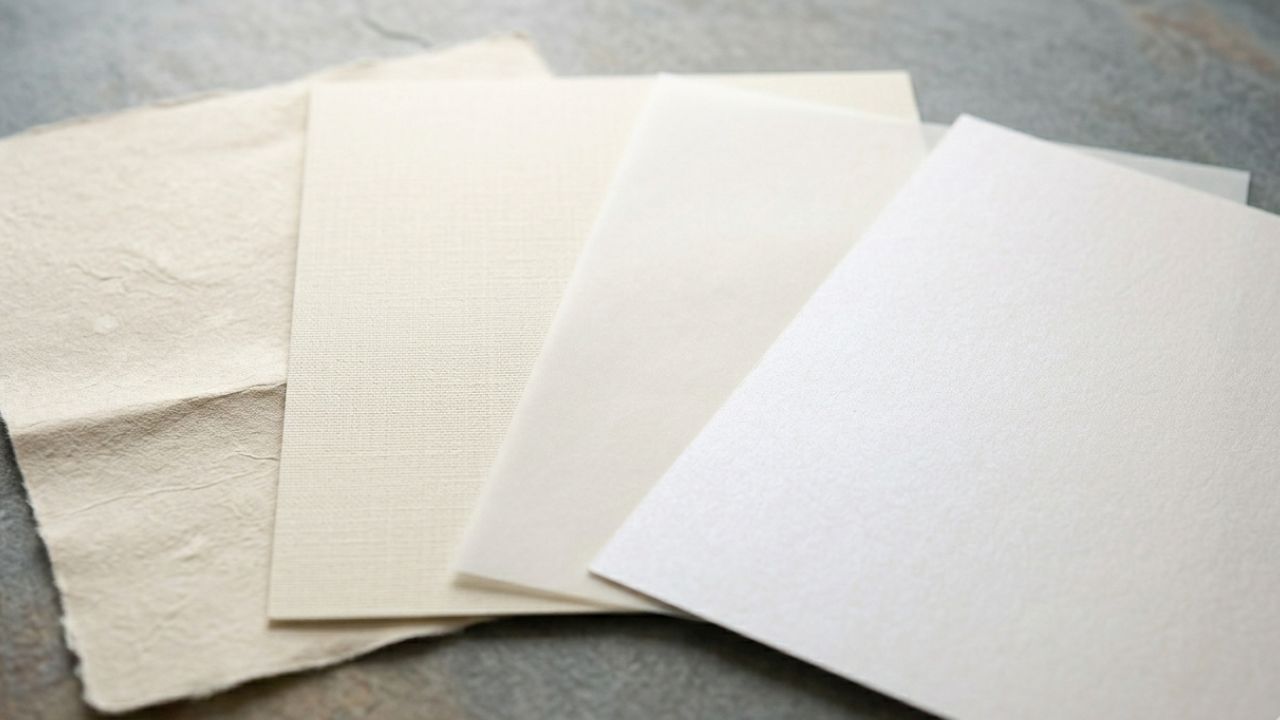
Several envelope paper types are widely used because they balance strength and consistency. Bond paper is the standard for commercial mail. It offers good tensile strength, reliable print performance, and compatibility with automation. These qualities make it suitable for high-volume mailing.
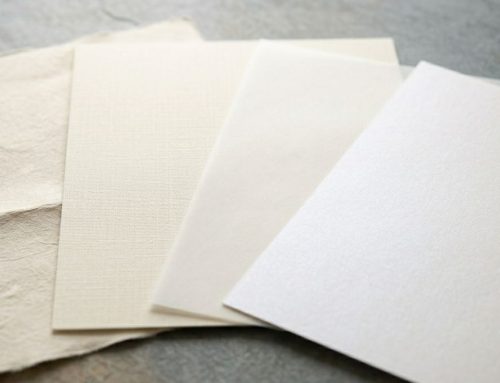
Text paper is lighter and smoother but generally less durable. In comparisons of text paper vs bond paper, bond is usually preferred for mailed envelopes. Text paper may work for invitations or hand-delivered pieces but can tear more easily in transit.
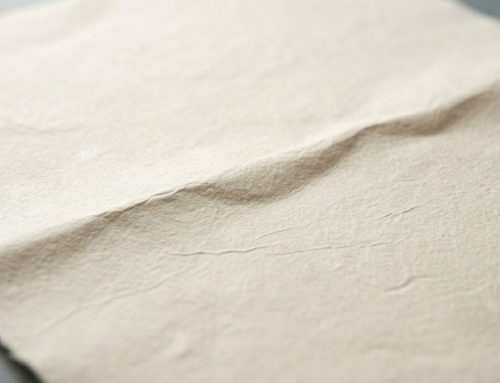
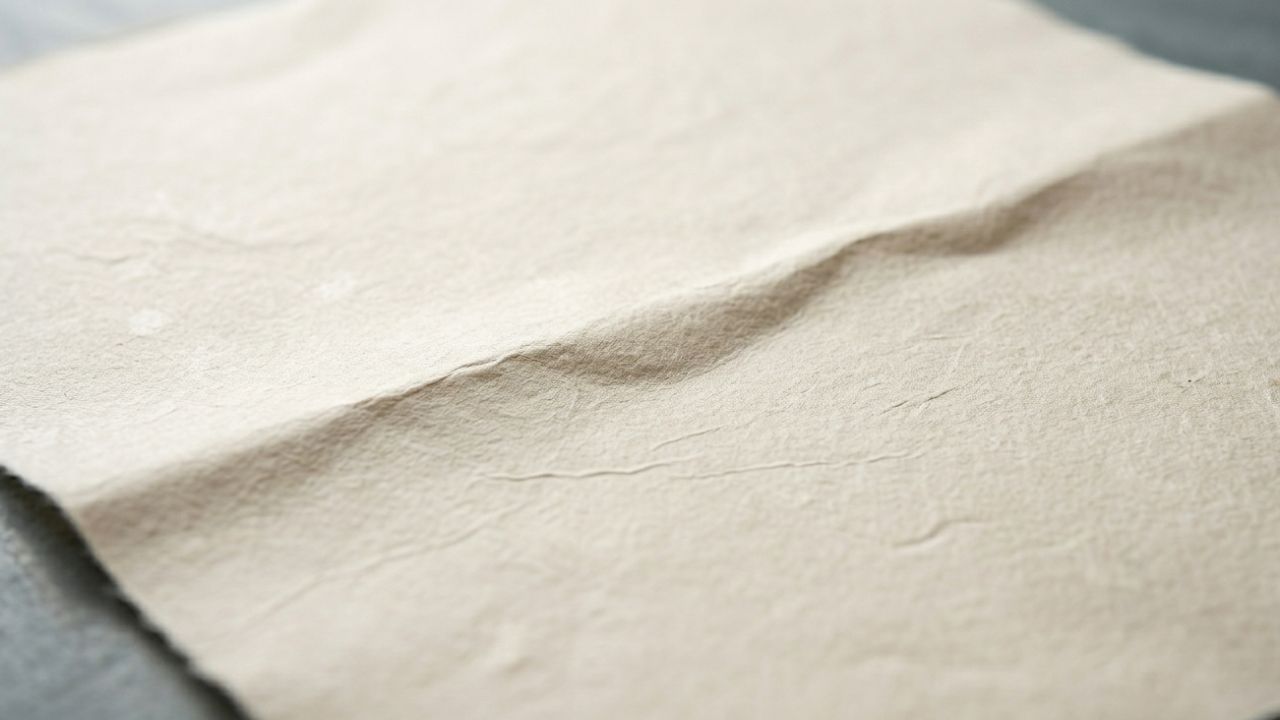
Kraft paper envelopes are known for toughness. Their longer fibers improve tear resistance, and their appearance often aligns with sustainability goals. Recycled paper envelopes are available across both bond and kraft categories. Modern recycled papers can perform well when engineered for mailing. Specialty fiber papers add character but require careful testing to ensure envelope durability.
Understanding Paper Weight for Envelopes
Paper weight often causes confusion because measurement systems differ. In the United States, paper weight in pounds refers to the weight of a standard sheet size, which varies by paper category. This means two papers with the same pound rating may have very different thickness.
The best paper weight for envelopes depends on contents and handling. Lighter weights reduce postage but offer less protection. Heavier papers increase strength but can raise mailing costs and stiffness. The paper weight is typically evaluated alongside thickness.
Paper gsm for envelopes provides a clearer comparison because it measures density directly. Most mailing envelopes fall between 75 and 120 gsm. Paper thickness for mailing is also described by caliper, which measures actual thickness. Evaluating weight, gsm, and caliper together leads to more reliable decisions than relying on a single number.
Is 24 lb Paper Good for Envelopes
Many people ask whether 24 lb paper works well for envelopes. When referring to 24 lb bond paper, it is a common and effective choice. This weight offers improved strength over lighter options while remaining compatible with most printers and mailing systems. It is frequently used for professional correspondence.
Context matters, however. A 24 lb text paper is significantly lighter than 24 lb bond and may not perform the same way. Paper category must always be confirmed. Heavier contents or long-distance mailing may require additional strength.
The best paper weight for envelopes, especially if you want them to be durable, depends on how the envelope will be filled, sealed, and handled. While 24 lb bond works for many uses, testing samples under real conditions remains the most reliable approach.
Sustainable and Eco-Friendly Envelope Paper Options
Eco friendly envelope paper has improved in quality and availability. Recycled paper envelopes now offer strong performance with reduced environmental impact. Post-consumer recycled fibers lower demand for virgin resources while maintaining durability when properly processed.
Kraft paper envelopes often support sustainability goals due to simpler manufacturing and high recycled content potential. Their natural appearance also communicates environmental awareness. Alternative fibers, including agricultural residues, are emerging as sustainable paper for mailing, though supply may be limited.
Certification and transparency matter. Responsible sourcing and efficient production reduce overall impact. Sustainability should never compromise function. An envelope that fails creates additional waste through re-mailing. The most effective option balances environmental responsibility with reliable performance.
What Type of Paper to Use to Make Envelopes
Paper selection for making envelopes depends on intended use. For mailed envelopes, bond paper or lightweight kraft paper provides dependable folding strength and adhesive performance. These papers resist tearing along seams and folds.
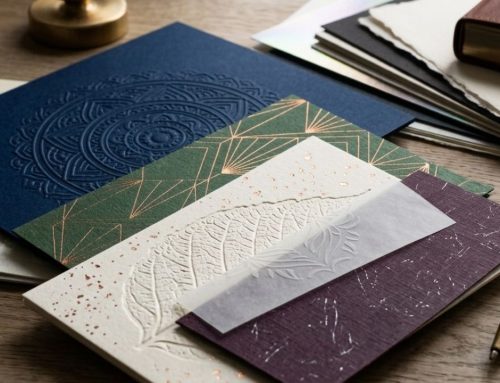
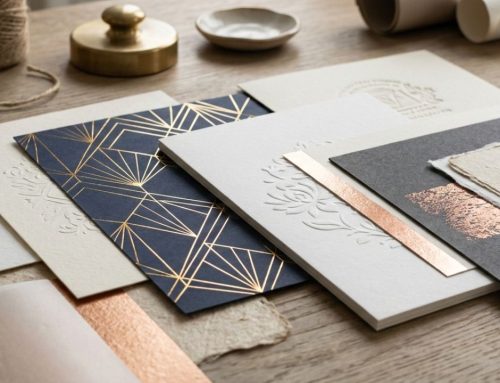
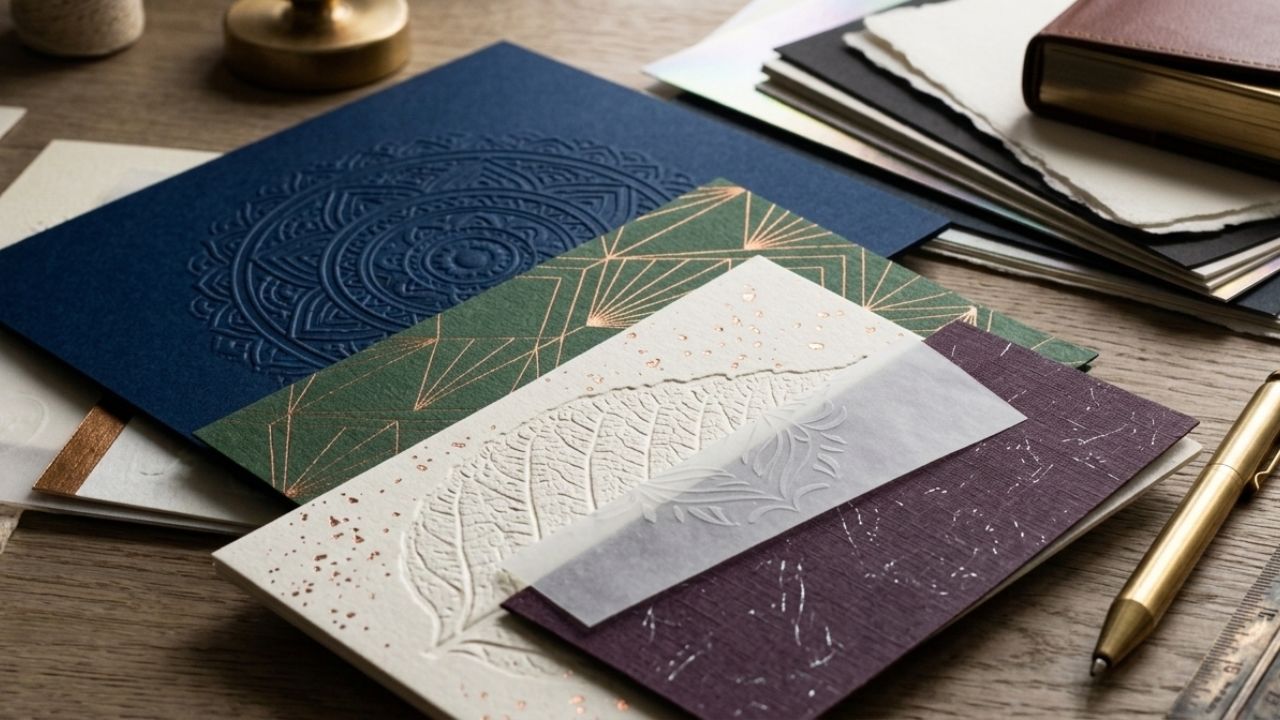
Paper for handmade envelopes used in hand delivery can include decorative or text papers. These options offer more visual variety but require testing. Paper that cracks at folds will not hold up well. Grain direction is critical. Folding with the grain reduces splitting and improves durability.
Thickness must also be considered. Paper that is too heavy becomes difficult to fold accurately without scoring. Staying within established envelope paper types improves results, especially when mailing is involved.
What Kind of Paper Should I Use for Envelope Liners
Envelope liner paper is decorative rather than structural. Because of this, it should remain lightweight. Text-weight paper is commonly used because it folds easily and adds minimal bulk. Smooth surfaces support even adhesion.
Liners should not interfere with sealing or automation. Thick or heavily textured liners can cause uneven thickness and mailing issues. Color stability also matters, as dyes should not transfer to the outer envelope.
Recycled envelope liner paper supports sustainability without affecting performance when chosen carefully. A liner should enhance appearance while allowing the envelope to function reliably through mailing systems.
Should I Use a #9 or #10 Envelope
Envelope size affects both function and presentation. The #10 envelope is the standard for business letters folded into thirds. It accommodates inserts comfortably and works well with printers and mail equipment.
A #9 envelope is smaller and typically used as a return envelope inside a larger mailing. It is not intended for standalone business correspondence. Using the wrong size can create fit issues and reduce durability.
Paper selection should match envelope size. Heavier papers in smaller envelopes may become too stiff, while lighter papers in larger envelopes may lack support. Coordinating size and paper improves mailing success.
How to Choose the Best Paper for Your Mailing Needs
Choosing envelope paper begins with defining the mailing purpose. Consider contents, distance, and handling conditions. Business mail emphasizes consistency, while special mailings may prioritize appearance.
Durability should be tested, not assumed. Envelope durability depends on fiber quality, weight, and construction. Sustainability goals should be integrated early to avoid tradeoffs later.
Availability and consistency also matter. Reliable sourcing supports long-term efficiency. Thoughtful selection reduces waste and improves delivery outcomes. For expert-level insight and personalized solutions, reach out to the Ecological Fibers team today.
Frequently Asked Questions About Best Paper For Envelopes
What type of paper should I use to make envelopes
Bond paper and lightweight kraft paper are reliable options for mailed envelopes. They fold cleanly and resist tearing during handling. Decorative papers can work for hand delivery but should be tested before mailing. Matching paper strength to use is essential.
Is 24 lb paper good for envelopes
Yes, 24 lb bond paper is widely used for envelopes and offers solid durability. It performs well in printing and mailing equipment. A 24 lb text paper is much lighter and may not be suitable. Always confirm the paper category.
What kind of paper should I use for envelope liners
Text-weight paper is commonly used for liners because it adds minimal bulk. Smooth paper supports adhesion and folding. Recycled options can support sustainability goals. Liners should not interfere with sealing or mailing.
Should I use a #9 or #10 envelope
A #10 envelopes is best for standard business letters. A #9 envelope is usually used as a return envelope inside a larger mailing. Choosing the correct size improves fit, durability, and compatibility with mailing systems.