Choosing the right paper is one of the most underestimated decisions in branding and print production. Visual design and messaging often take priority, yet the physical qualities of paper quietly shape how people perceive and remember a brand. Texture, weight, and surface treatments influence credibility, usability, and emotional response the moment a piece is touched. Many teams struggle to balance aesthetics with durability, sustainability, and print performance. That challenge becomes more complex when different formats demand different results. Understanding paper design and finishes provides a framework for making informed decisions. It clarifies how paper texture, paper surface, and coatings influence real-world outcomes across marketing, packaging, and communication. One sheet can change perception.
What Paper Design Means in Modern Brand Communication
Paper design is the intentional selection of paper stock, structure, and surface characteristics to support brand communication goals. It extends beyond visual appeal into how materials feel, function, and hold up over time. In a physical environment crowded with competing messages, paper creates a tactile experience that digital media cannot replicate. That experience influences trust, perceived quality, and emotional engagement.
Modern brand communication requires consistency across many touchpoints. Marketing materials, packaging, direct mail, point-of-sale pieces, and internal documents all place different demands on paper finishes and paper textures. A textured sheet may communicate craftsmanship and warmth, while a smooth, bright surface can suggest precision and efficiency. These cues are processed instantly and subconsciously by the reader.
Paper design also intersects with production requirements. Paper weight GSM, opacity and brightness, and paper coating choices directly affect readability, handling, and print outcomes. When paper design aligns with brand values and print compatibility, it reinforces messaging instead of undermining it or introducing friction during production.
Understanding Paper Textures and Finishes
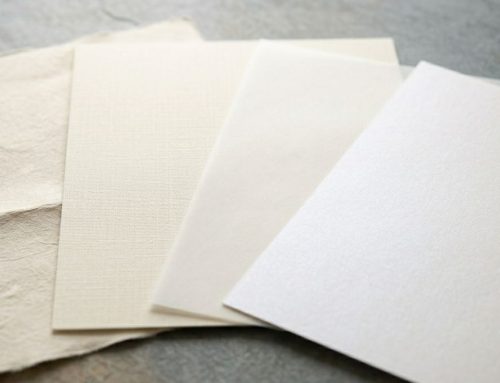
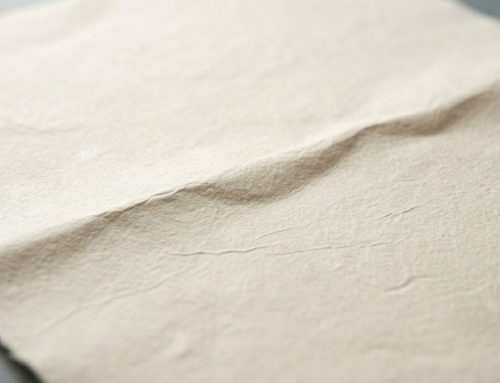
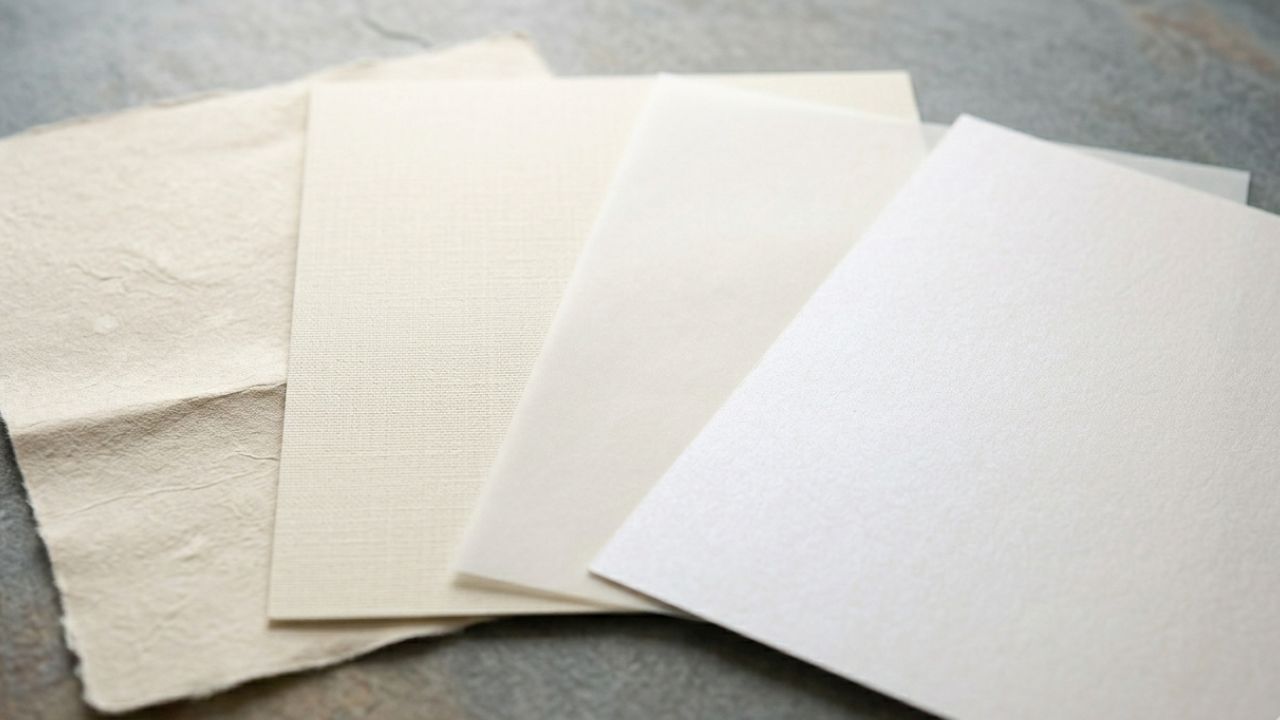
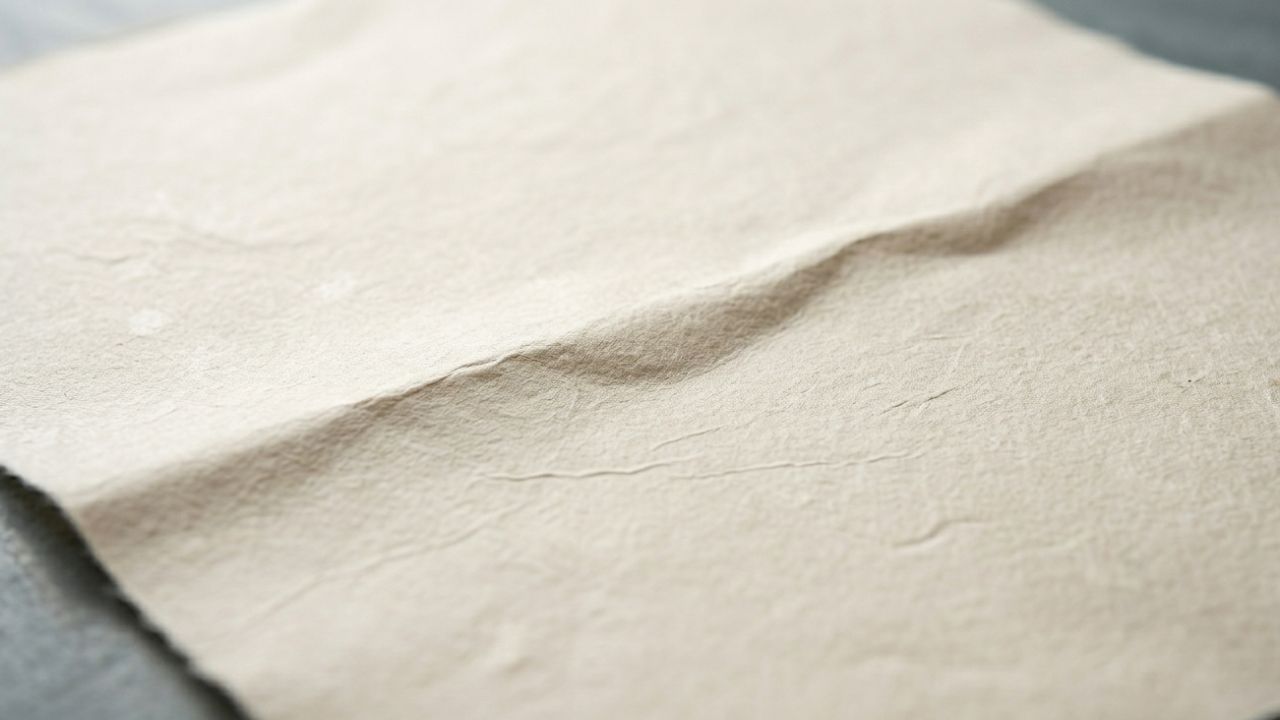
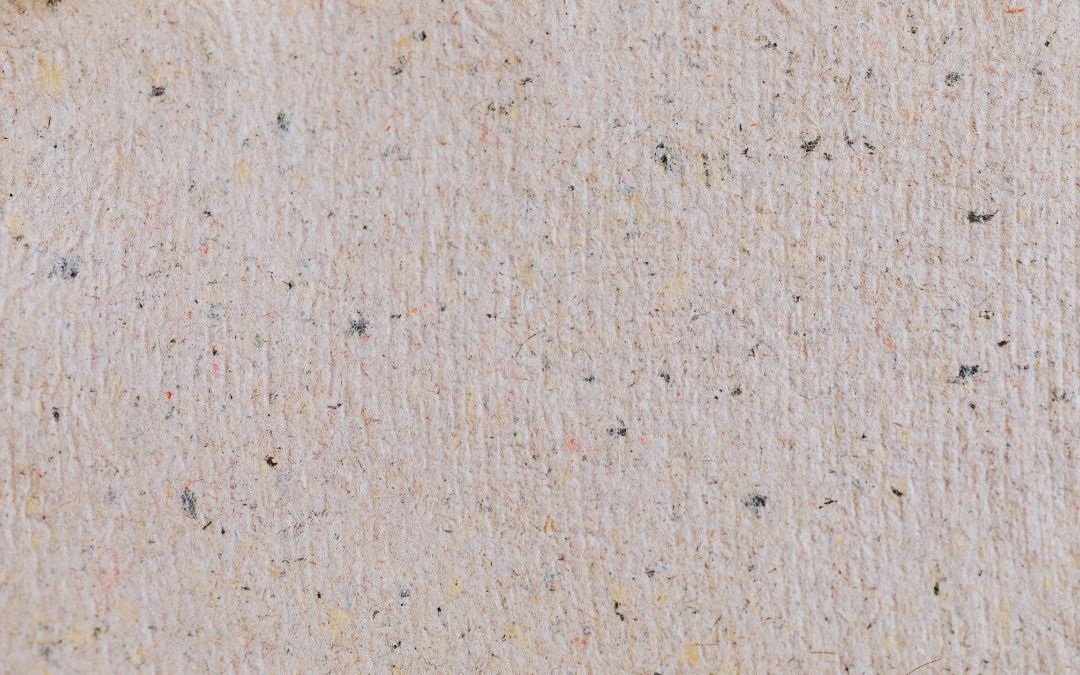
Paper textures describe the physical feel of the sheet, ranging from ultra-smooth to heavily textured options like linen or felt. Texture influences both tactile experience and how ink interacts with the paper surface. Heavily textured papers add character and depth but can reduce fine detail, while smoother surfaces support crisp typography and high-resolution images.
Paper finishes refer to treatments applied to the surface during manufacturing or after printing. These treatments influence ink absorption, glare, durability, and overall appearance. Uncoated paper allows ink to absorb into the fibers, creating softer tones and a natural, approachable look. Coated paper restricts absorption, keeping ink closer to the surface for sharper detail and higher contrast.
Understanding matte vs gloss is essential for functional design decisions. Matte finishes reduce glare and eye strain, making them suitable for longer reading. Gloss finishes enhance color vibrancy and visual impact. Satin finish options bridge the gap by offering subtle sheen without excessive reflection. Together, texture and finish determine how paper performs in real use.
Types of Paper Finishes and When to Use Them
Different paper finishes serve different design and performance goals. Uncoated paper is ideal for books, stationery, and sustainable applications where writability and authenticity matter. Matte finishes are commonly used for brochures, reports, and branding materials that require readability and a refined aesthetic.
Gloss finishes are well suited for image-driven designs such as catalogs, promotional flyers, and product packaging. Satin finish provides versatility for general marketing use where both imagery and text matter. Beyond these basics, specialty paper finishes types expand creative options and brand expression. Soft touch coating adds a velvety tactile experience often associated with premium and luxury positioning.
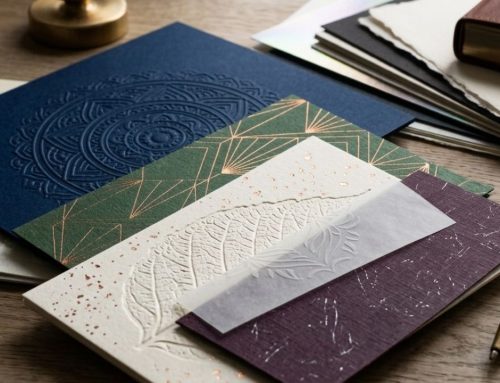
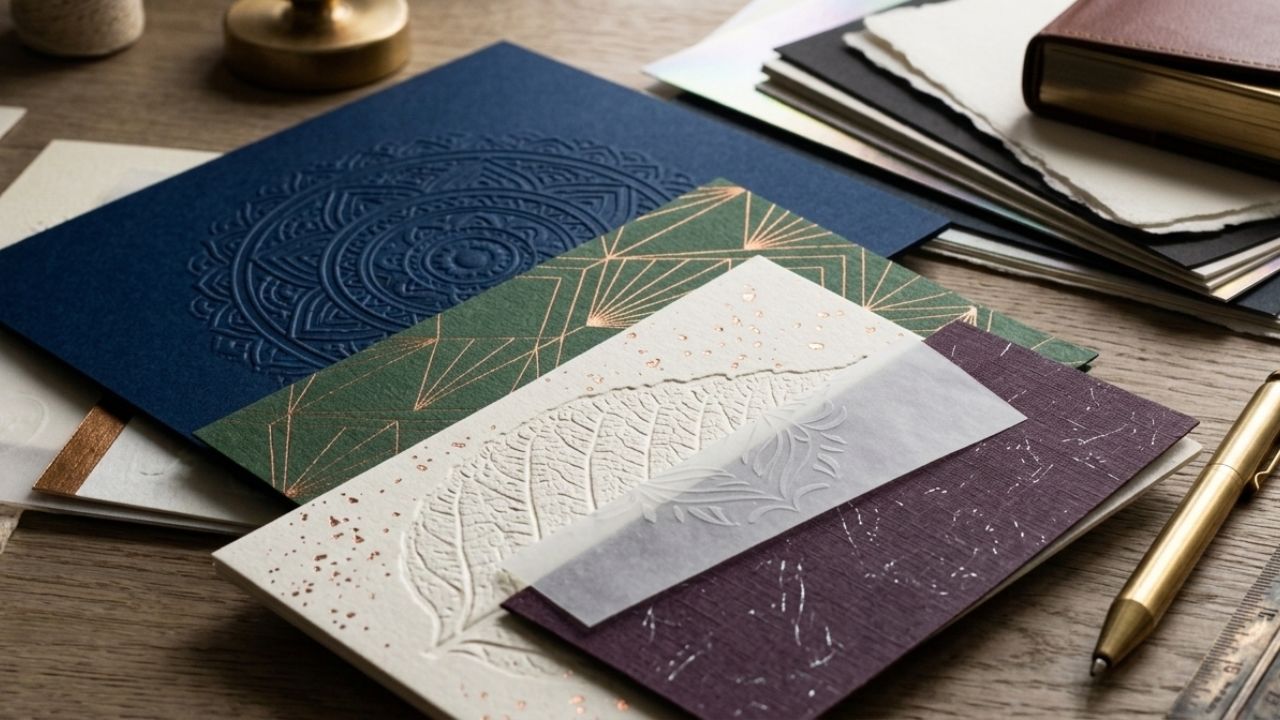
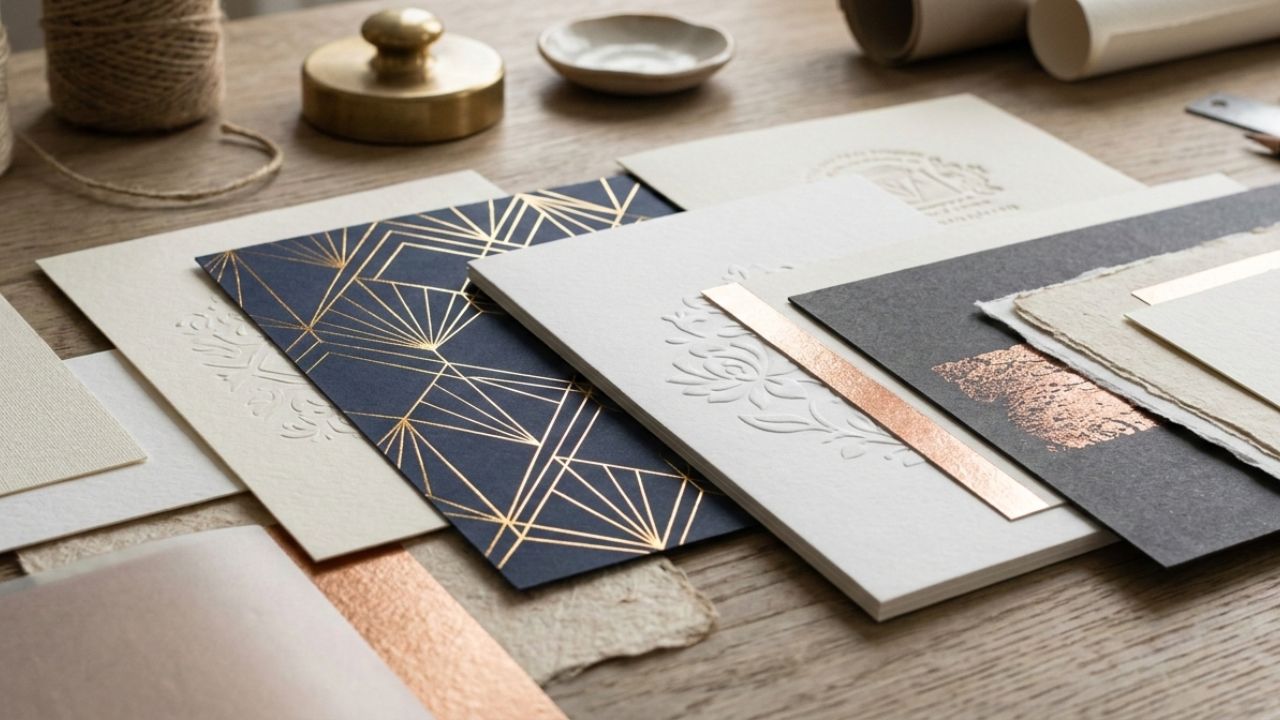
Protective finishes can affect how well something works and how long it lasts. Aqueous coating offers light protection with lower environmental impact. UV coating delivers strong durability and visual impact but can limit recyclability. Varnish and lamination enhance protection and appearance. Decorative techniques such as embossing, debossing, foil stamping, and die cutting add dimension and perceived value while increasing production complexity and cost.
How Paper Finish Influences Print Quality and Durability
Paper finish plays a critical role in print quality and consistency. On coated paper, ink remains closer to the surface, improving sharpness, contrast, and color vibrancy. This is especially important for offset printing, which relies on even ink coverage and fine detail reproduction. On uncoated paper, greater ink absorption softens edges and tones, creating a more subdued look.
Print compatibility must be evaluated early in the process. Digital printing requires proper toner or ink adhesion, which varies depending on coating and paper stock. Some finishes are optimized for digital presses, while others perform better on offset equipment. Mismatched selections can result in cracking on folds, smudging, or uneven coverage.
Durability is also affected by finish choice. Lamination and UV coating protect against moisture, fingerprints, and abrasion in high-touch environments. Paper weight GSM and cardstock thickness add rigidity and resistance to bending. Selecting the right finish ensures materials maintain quality throughout their intended lifespan and usage conditions.
Choosing the Right Paper Finish for Branding and Marketing
Selecting a paper finish for branding starts with defining the desired brand perception. Luxury brands often prioritize tactile experience and heavier paper stock, while technical or corporate brands may favor clarity and precision. The tactile experience should support the message, not distract from it.
Audience interaction matters. Materials handled briefly, such as handouts or inserts, can support bolder finishes. Items read for longer periods benefit from matte or uncoated paper that reduces glare. Opacity and brightness affect how easy it is to read, especially for double-sided designs. Low opacity can undermine professionalism by allowing show-through.
Cost and scalability are also key considerations. Some finishes increase unit cost or restrict production flexibility at higher volumes. Understanding tradeoffs between aesthetics, performance, and budget helps teams make sustainable decisions. When paper finishes align with branding and real-world use conditions, materials feel intentional and cohesive.
Paper Finishes for Packaging and Premium Applications
Packaging places higher demands on paper design and finishes due to handling, shipping, and shelf exposure. Paper surfaces must protect graphics while communicating quality instantly. Gloss and UV coatings increase shelf impact, while soft touch coating creates contrast that encourages interaction. These approaches are common in luxury packaging materials.
Structural integrity is equally important. Cardstock and heavier paper stock provide rigidity for boxes, sleeves, and wraps. Paper surface treatments must withstand friction, stacking, and environmental exposure. Embossing and debossing add dimension without additional ink, while foil stamping highlights brand elements with precision and restraint.
Packaging decisions often involve balancing durability and sustainability. Lamination improves strength but complicates recycling. Brands are more often considering if the visual effect is worth the environmental cost. Thoughtful finish selection supports both protection and long-term brand perception.
Sustainability and Eco Friendly Paper Finishes
Sustainability has become central to paper selection strategies. Many organizations prioritize sustainable paper, recycled fiber paper, and FSC certified paper to meet environmental goals and regulatory expectations. However, finishes play a significant role in overall environmental impact.
Uncoated paper and water-based options like aqueous coating typically support easier recycling and fiber recovery. Heavy laminations and some UV coatings can limit recyclability or require specialized processing. Designers must consider the full material lifecycle, including disposal and recovery.
Eco friendly paper finishes can still deliver strong brand experiences. Texture, thoughtful paper weight, and techniques like embossing can replace resource-intensive coatings. Clear communication about material choices also builds trust and credibility with audiences who care about the environment.
How to Select Paper Design and Finishes for Your Project
Effective selection begins with purpose. Consider how the piece will be used, how long it will be handled, and what impression it should leave. Match these goals with the appropriate paper texture, paper coating, and finish.
Testing physical samples is critical. Samples reveal ink absorption, color response, tactile experience, and durability better than specifications alone. Collaboration between designers, printers, and production teams reduces risk and rework. Print method, paper weight GSM, and finish must function as a system.
Paper design is not a single decision but a series of aligned choices. When paper surface, finish, performance, and sustainability support brand intent, the result feels cohesive and effective. For expert-level insight and personalized solutions, reach out to the Eco Fiber team today.
Frequently Asked Questions About Paper Design And Finishes
What is the difference between coated paper and uncoated paper
Coated paper includes a surface layer that reduces ink absorption and improves sharpness and color vibrancy. Uncoated paper absorbs more ink, resulting in a softer, more natural appearance. Each option supports different branding and functional goals. The best choice depends on readability, durability, and sustainability priorities.
How do paper finishes affect digital printing and offset printing
Paper finishes interact differently with digital printing and offset printing. Coated stocks often perform better for offset, while certain uncoated or specially treated papers are optimized for digital presses. Using incompatible finishes can cause adhesion or cracking issues. Print compatibility should always be verified before production.
How does paper weight influence brand perception
Paper weight GSM strongly affects how a piece feels in hand and how it is perceived. Heavier paper stock and cardstock often signal quality, importance, and permanence. Lighter weights may feel economical but can still be appropriate for high-volume materials. Weight should match both purpose and audience expectations.
Are specialty finishes worth the additional cost
Specialty finishes such as foil stamping, embossing, debossing, die cutting, and soft touch coating can significantly elevate brand perception. They add tactile and visual interest beyond standard finishes. However, they increase cost and production complexity. Their value depends on audience, application, and brand positioning.