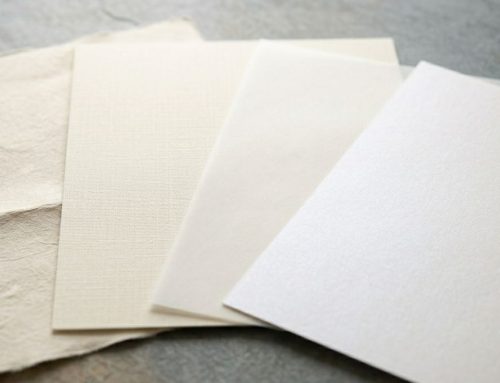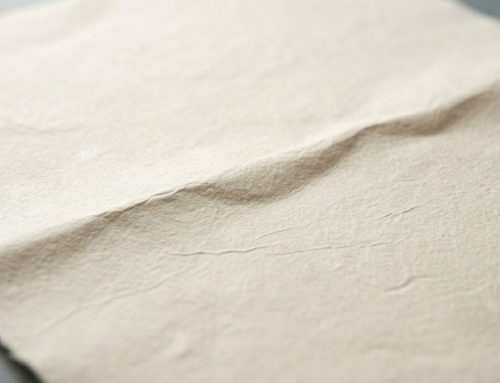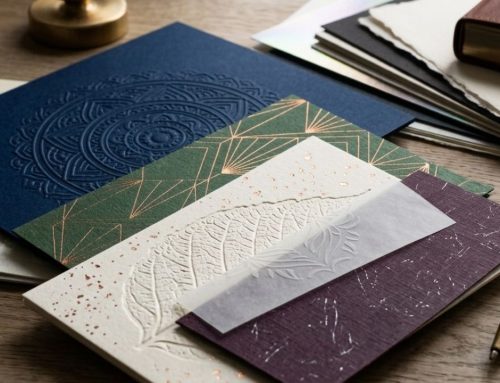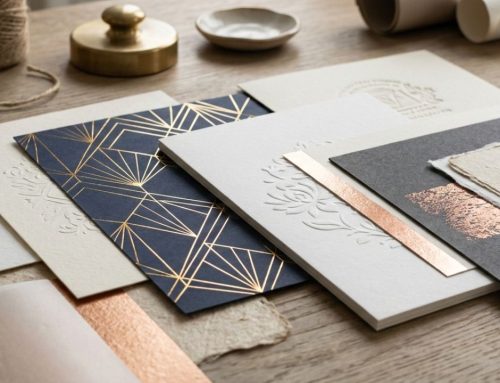
Businesses are under increasing pressure to reduce their environmental footprint. For many, this begins with the materials they use every day, like paper and envelopes. While these items may seem simple, they carry significant sustainability implications. Ecological Fibers addresses this challenge with a full range of high performance, eco friendly products designed to help brands align with their values while delivering superior quality. This article explores how choosing the right paper and envelopes can help meet sustainability goals, reduce waste, and elevate your brand, all without compromise.
Why Sustainable Paper and Envelopes Matter
The traditional paper industry is resource intensive. It contributes to deforestation, high water consumption, and pollution through chemical laden processes. Businesses that rely on conventional paper and envelopes often do so without realizing the environmental cost.
Switching to recycled paper and responsibly sourced alternatives offers measurable benefits. It reduces carbon emissions, lowers landfill contribution, and conserves forests. When paired with third party certifications like FSC or the Green Seal, these materials also demonstrate a company’s commitment to verified environmental standards.
Ecological Fibers leads in this space by combining sustainable practices with rigorous material science. Every sheet of paper and every envelope is crafted with environmental impact in mind, forming part of a broader corporate social responsibility policy that addresses sourcing, production, and end of use recovery.
What Is the Most Eco-Friendly Paper?
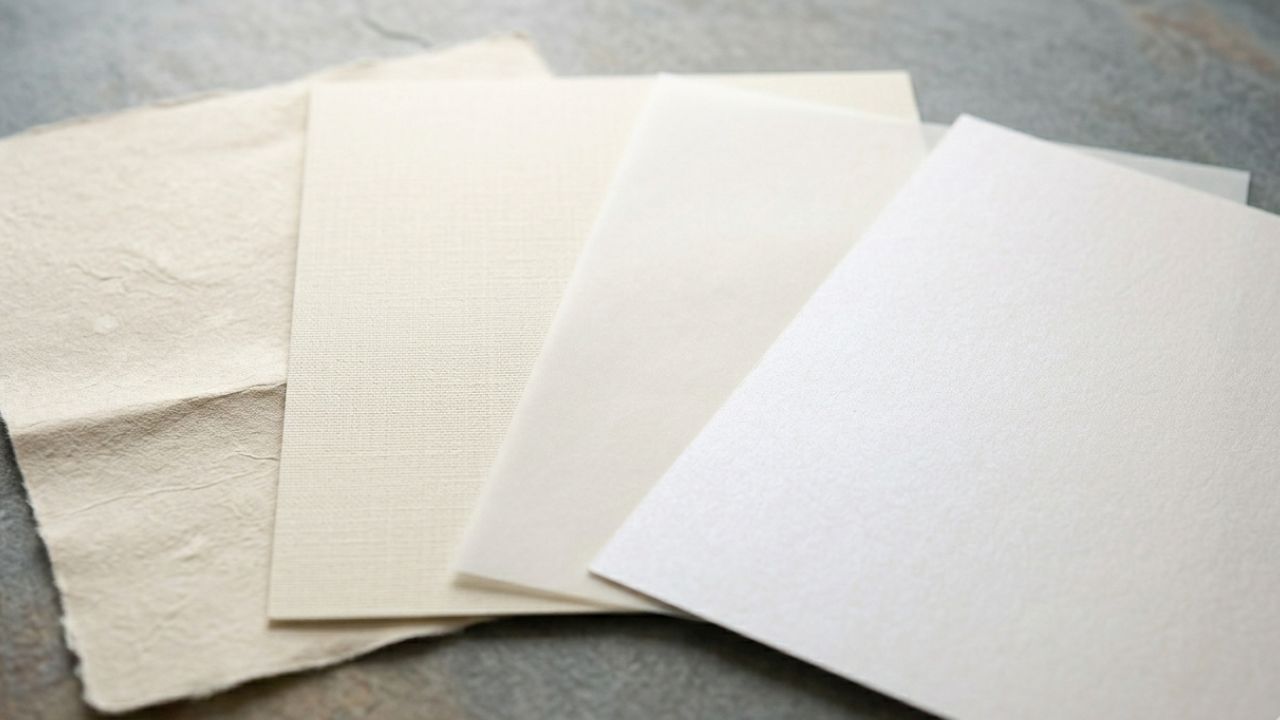
The most eco-friendly paper is not defined by a single characteristic but by a blend of sustainable attributes. Recycled paper made with post consumer waste remains one of the most effective options, particularly when processed without chlorine. It minimizes virgin fiber use and diverts material from landfills.
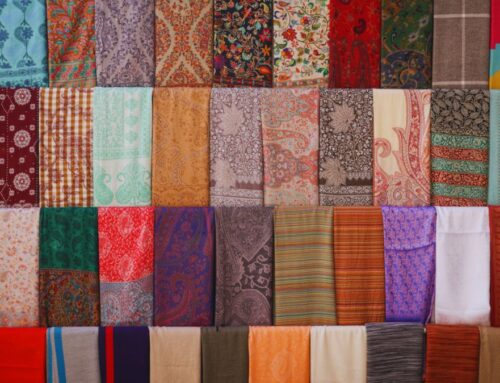
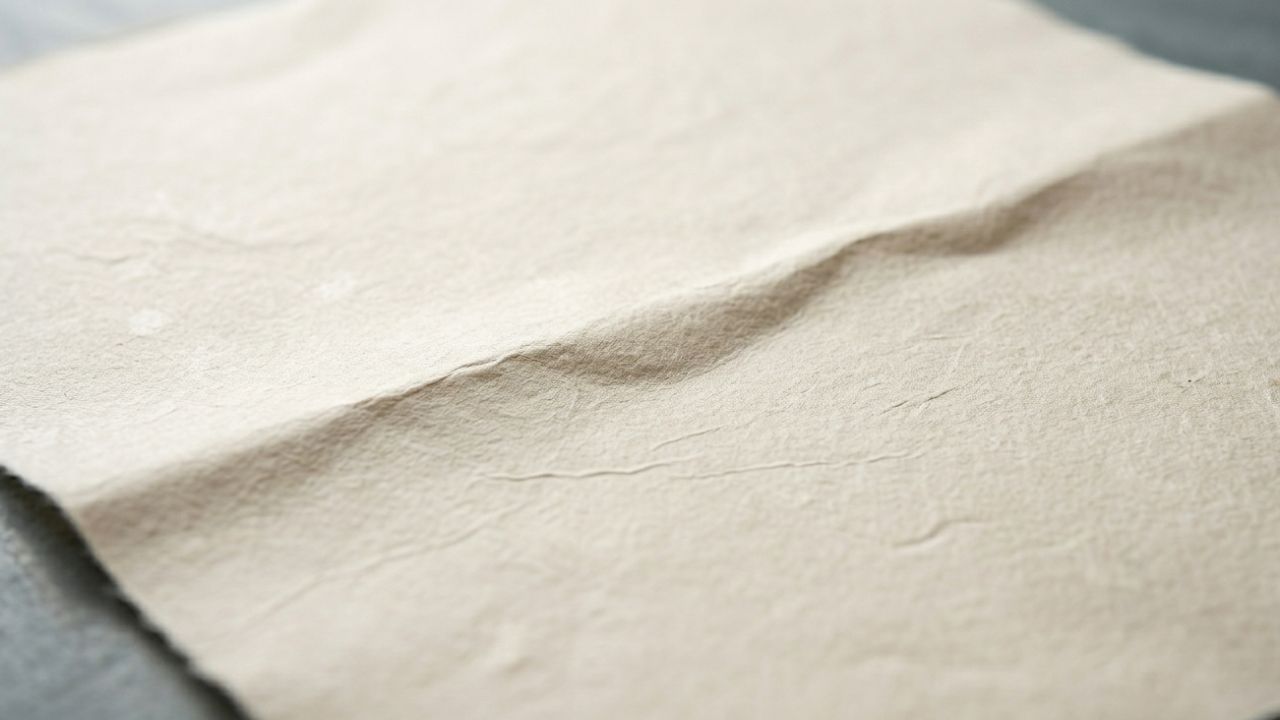
Alternative fiber sources have also gained traction. Recycled cotton paper, for example, transforms textile waste into high grade sheets ideal for business cards and promotional pieces. Bamboo paper is derived from a rapidly renewable resource, while hemp paper offers durability with minimal land and water use. Sugarcane and straw paper utilize agricultural byproducts, and seed paper allows for composting and planting after use.
Ecological Fibers’ catalog includes many of these options, enabling businesses to make informed choices without sacrificing aesthetics or performance.
Ecological Fibers’ Materials and Manufacturing Advantage
What sets Ecological Fibers apart is its transparent, low impact manufacturing model. The company utilizes botanical and agricultural fibers alongside recycled content to craft sustainable paper envelopes and specialty substrates. These materials are processed using closed loop systems, free from heavy metals, plasticizers, and animal byproducts.
All adhesives and coatings used in Ecological Fibers products are vegan and plastic free. This ensures compatibility with industrial composting and reduces microplastic pollution during degradation.
Ecological Fibers also maintains documentation aligned with the American Forest Paper Association and international regulatory benchmarks. This makes it easy for administrator office manager roles and procurement teams across America, Asia, and Europe to incorporate these materials into sustainability reporting.
Performance and Versatility Without Compromise
Eco friendly does not mean lower quality. Ecological Fibers’ paper and envelopes are engineered to meet the highest standards of performance. With excellent ink holdout, high opacity, and refined textures, they are ideal for business cards, corporate stationery, packaging inserts, and direct mail.
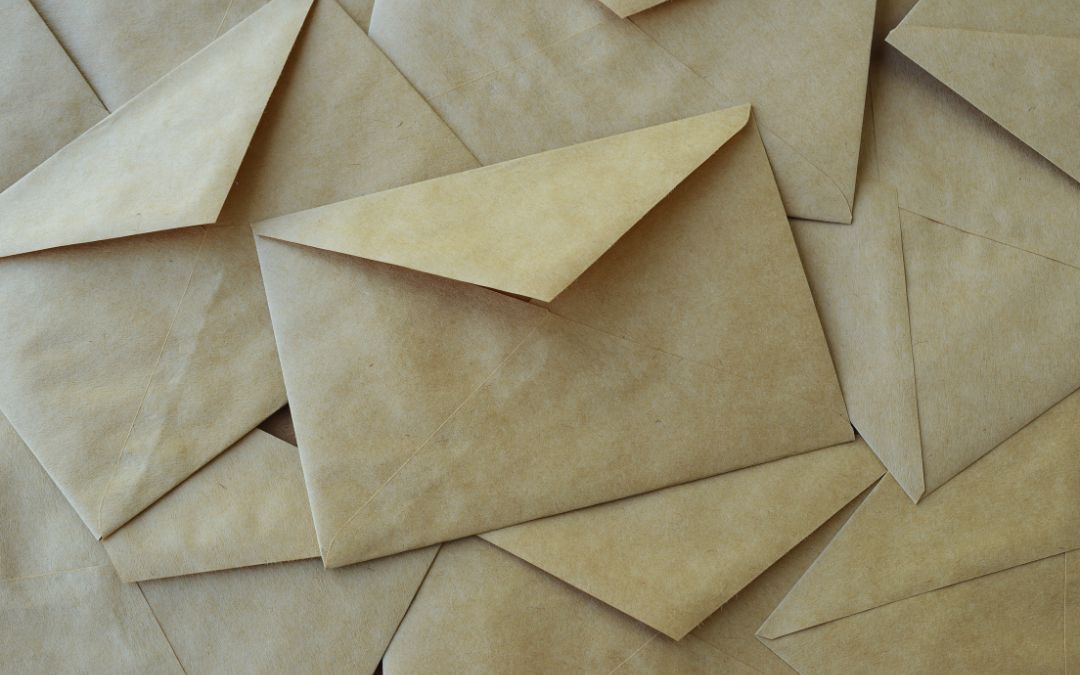
Durability is also key. Paper envelopes from Ecological Fibers maintain their structure in a wide range of mailing conditions and formats, including address window envelopes and custom die cut designs.
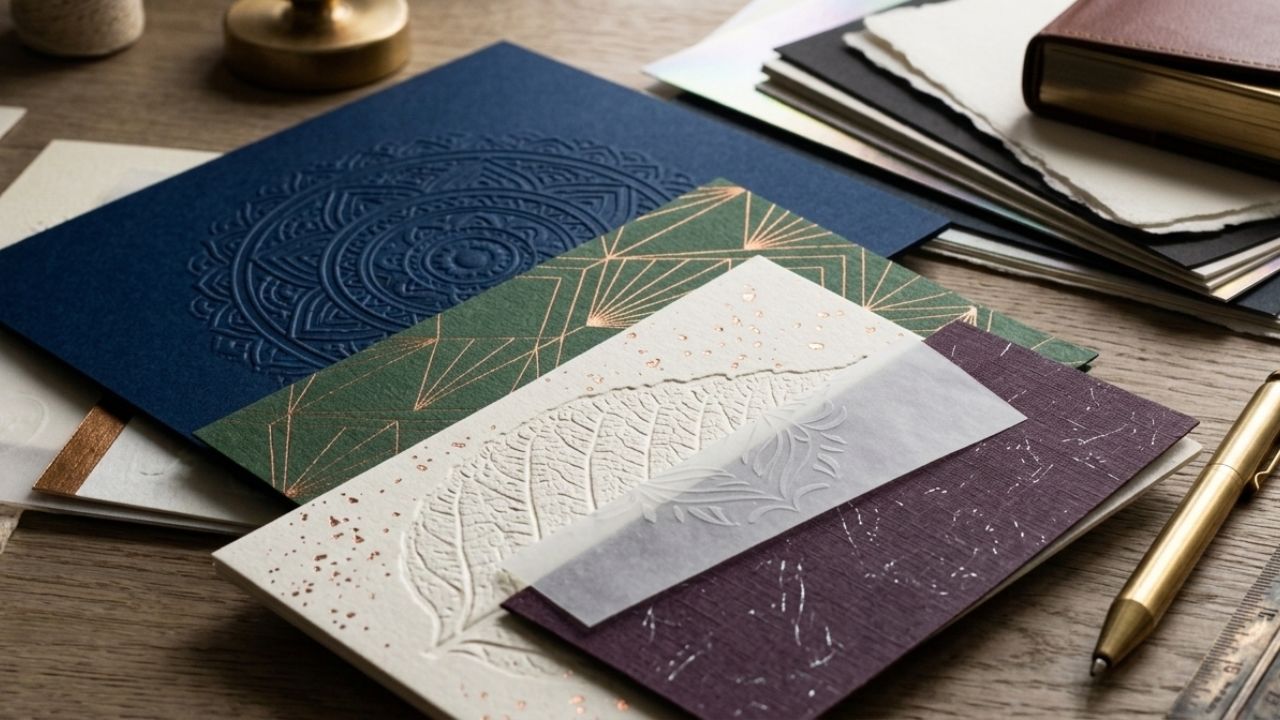
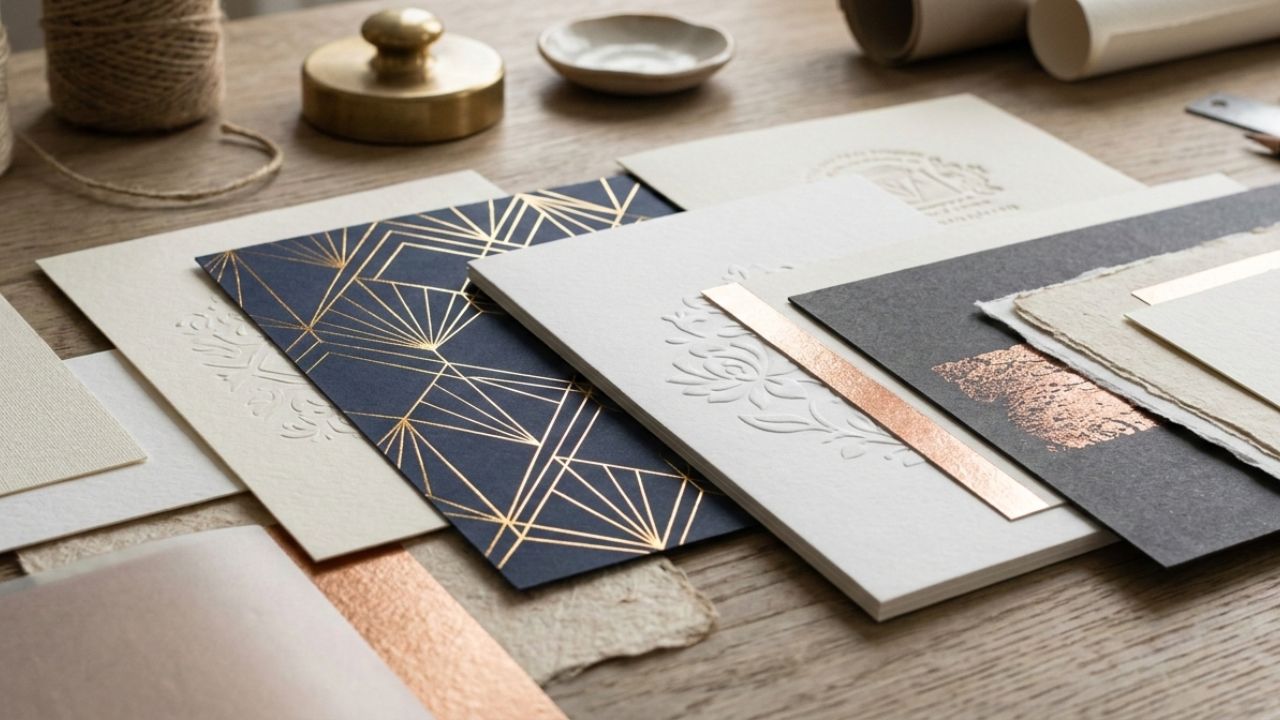
With options for embossing, foil stamping, and offset or digital printing, brands can customize their look while maintaining full recyclability. From the apple store wall street to a boutique on boulevard san diego California, Ecological Fibers offers consistent quality for high impact brand presence.
Why Businesses Choose Ecological Fibers
More businesses are making sustainability part of their brand identity. By choosing Ecological Fibers, they align with a supplier that not only meets but exceeds industry benchmarks. Whether you are part of a marketing team at missouri state university printing, or a procurement lead managing an account cart for global distribution, Ecological Fibers delivers traceable, high performing, and environmentally responsible solutions.
The company’s products are available across key markets, with support that includes live inventory updates, blog live chat for product consultations, and white labeled shipping options. With fast delivery across America, Asia, and Europe, Ecological Fibers is uniquely positioned to help organizations meet green mandates and stand out in a crowded market.
From corporate social responsibility policy requirements to the everyday need for sustainable paper and envelopes, Ecological Fibers provides the tools to move forward, smarter, greener, and without compromise.
Frequently Asked Questions (FAQ)
About Sustainable Paper and Envelopes for Businesses
What makes paper and envelopes truly eco friendly?
Eco friendly paper and envelopes are made from recycled or rapidly renewable fibers and processed without chlorine or harmful additives. Look for certifications such as FSC, Green Seal, or PCF to verify sustainability claims. Ecological Fibers ensures all materials meet strict environmental and performance standards.
Are recycled paper envelopes durable enough for commercial use?
Yes. High quality recycled paper envelopes from Ecological Fibers are designed for strength and moisture resistance. They perform reliably in mailing systems, including those with address windows, and hold up under handling during shipping and storage.
What are the best eco friendly alternatives to wood pulp paper?
Top alternatives include recycled cotton, bamboo, hemp, sugarcane bagasse, and straw based paper. These materials reduce dependence on forests and require less water and energy to process. Ecological Fibers offers several of these sustainable options in its product line.
How can businesses verify the sustainability of paper products?
Businesses should ask for third party certifications like FSC, Green Seal, or recycled content documentation. Ecological Fibers provides full transparency through chain of custody records, manufacturing disclosures, and environmental compliance aligned with global standards.
Can sustainable paper be customized for branding?
Yes. Sustainable paper from Ecological Fibers supports custom sizing, textures, finishes, and colors suitable for business cards, packaging, and stationery. These options help businesses maintain brand consistency without compromising environmental goals.
Ecological Fibers has been pioneering sustainable alternatives to solvent-based coatings since the 1970s - long before regulations made it necessary. Recognizing the long-term environmental and health risks associated with traditional coatings, we developed advanced waterborne coating technologies to meet the highest standards of performance, safety, and sustainability. Today, as industries shift toward greener solutions, water-based coatings have become the superior choice, reducing volatile organic compounds (VOCs) while maintaining excellent durability and adhesion.
Key Trends Driving the Demand for Waterborne Coatings
Environmental regulations worldwide are setting stricter limits on VOC emissions, prompting manufacturers to adopt low-VOC coatings that improve air quality and workplace safety. Beyond regulatory compliance, businesses are prioritizing eco-friendly coatings to align with consumer demand for sustainability. Many industries are committing to environmental goals that require reductions in hazardous emissions and waste, making waterborne coatings a logical choice. In addition, advancements in waterborne coating formulations have erased the historical gap in durability and performance. New hybrid coatings blend the best properties of water-based and solvent-based solutions, offering superior protection against UV exposure, moisture, and abrasion.
Why Water-Based Coatings Are Safer and Greener
At Ecological Fibers, the safety of workers and the surrounding environment has always been a driving force behind product innovation. Solvent-based coatings contain hazardous chemicals that release toxic fumes, posing serious health risks to employees and those in nearby communities. By eliminating solvents from our production process, we have significantly reduced CO₂ emissions while creating a safer workplace. Our facilities maintain some of the lowest VOC emissions in the industry, a commitment backed by third-party sustainability certifications. The decision to move away from solvent-based coatings has not only improved air quality and employee safety but has also reinforced our leadership in sustainable manufacturing.
Advantages of Low VOC Coating Technologies
One of the most significant advantages of water-based coatings is their ability to minimize exposure to harmful substances. Workers are no longer at risk of inhaling dangerous fumes, and the elimination of flammable solvents significantly reduces fire hazards. Environmental benefits are also substantial, as low-VOC coatings contribute to cleaner air and a reduced carbon footprint. Performance is another key factor, with modern waterborne coatings offering superior adhesion, flexibility, and durability across various applications. These coatings also simplify the cleanup process, as they can be rinsed with water rather than requiring harsh chemical solvents. Companies that adopt water-based coatings experience fewer hazardous waste disposal challenges and comply more easily with strict environmental regulations.
Breakthroughs in Modern Waterborne Coatings
Coating technology has advanced significantly, making water-based formulations more robust than ever before. Hybrid coatings now combine the best features of both waterborne and solvent-based options, delivering enhanced durability and superior finishes. Innovations in electrostatic spraying and rapid drying techniques have streamlined application processes, improving efficiency and ensuring a uniform finish. Emerging self-healing and antimicrobial coatings demonstrate how sustainable chemistry is evolving to meet specialized industrial needs. These breakthroughs are shaping the future of eco-friendly coatings, proving that sustainability and high performance are not mutually exclusive.
At Ecological Fibers, innovation has always been at the forefront of our product development. Our coatings range from soft-touch finishes, such as those used in Matador and Expose products, to specialty finishes that mimic leather, basketball textures, and shed-resistant glitter. These advancements demonstrate that solvent-based coatings are no longer necessary to create high-performance, visually striking materials.
Water-Based vs. Solvent-Based Coatings: A Clear Winner
Water-based coatings have distinct advantages over traditional solvent-based alternatives. They emit significantly fewer VOCs, reducing air pollution and workplace exposure to hazardous chemicals. Worker safety is a major benefit, as waterborne coatings eliminate toxic fumes and minimize fire risks. In terms of durability and adhesion, modern water-based coatings perform exceptionally well across various surfaces and applications. Cleanup is also more straightforward, as water-based coatings can be rinsed away with water rather than requiring chemical solvents. Regulations surrounding solvent-based coatings continue to tighten, making waterborne solutions the preferred choice for manufacturers seeking compliance and sustainability without sacrificing performance.
At Ecological Fibers, the commitment to eliminating solvent-based coatings was made early on with the goal of protecting employees, consumers, and the environment. That decision has proven to be forward-thinking, as water-based coatings are now recognized across the industry as the most responsible and effective choice.
Versatile Applications for Waterborne Coatings
Water-based coatings are used across a wide range of industries. In luxury packaging and publishing, they provide high-end finishes for book covers, premium boxes, and specialty papers. The automotive and aerospace industries rely on them for protective coatings that offer durability while reducing environmental impact. In medical and pharmaceutical applications, antimicrobial coatings enhance safety and cleanliness in high-touch environments. The electronics sector benefits from coatings that improve durability and visual appeal while maintaining sustainable production standards. The versatility of waterborne coatings ensures they remain a key solution for industries looking to balance performance with environmental responsibility.
Dispelling Myths About High-Performance Coatings
There are persistent misconceptions about waterborne coatings, but real-world applications continue to disprove them. Some believe that water-based coatings are less durable than solvent-based options, yet modern formulations offer superior adhesion, UV resistance, and wear protection. Another common concern is that water-based coatings are difficult to apply, but advancements in electrostatic spraying and high-speed drying processes have made application more efficient than ever. Drying times were once considered a drawback, but improvements in curing techniques have significantly reduced processing times, making water-based coatings a practical choice for large-scale manufacturing.
Pioneering the Future of Sustainable Coatings
Ecological Fibers remains at the forefront of eco-friendly innovation. Our latest breakthrough includes a 100 percent plastic-free coating line, completely free from petroleum-based ingredients. Recognizing the damage that plastic waste causes to the environment, we developed coatings that set a new sustainability standard without sacrificing quality. As industries continue to transition toward greener solutions, Ecological Fibers is committed to leading the way by offering high-performance coatings that prioritize environmental responsibility.
Frequently Asked Questions About Water-Based Coatings
Are water-based coatings as durable as solvent-based coatings?
Yes. Modern waterborne coatings offer exceptional adhesion, wear resistance, and UV protection, often surpassing solvent-based products in durability.
How do water-based coatings help reduce environmental impact?
Waterborne coatings contain minimal VOCs, which significantly lower air pollution and hazardous waste disposal concerns. Because they do not require harsh chemicals for cleanup, they also reduce overall chemical usage in manufacturing.
Are water-based coatings more expensive than solvent-based alternatives?
While the upfront cost per gallon may be slightly higher, reduced disposal costs, lower safety risks, and increased energy efficiency often make water-based coatings the more economical choice over time.
Take the Next Step Toward Sustainability
The future of coatings is water-based, and Ecological Fibers is leading the way. As a company dedicated to innovation and environmental responsibility, we continue to develop high-performance, eco-friendly solutions that meet the needs of modern industries. If your business is ready to transition to sustainable coatings that deliver both quality and environmental benefits, our team is here to help. Contact us today at 978.537.0003 to explore the best solutions for your application.