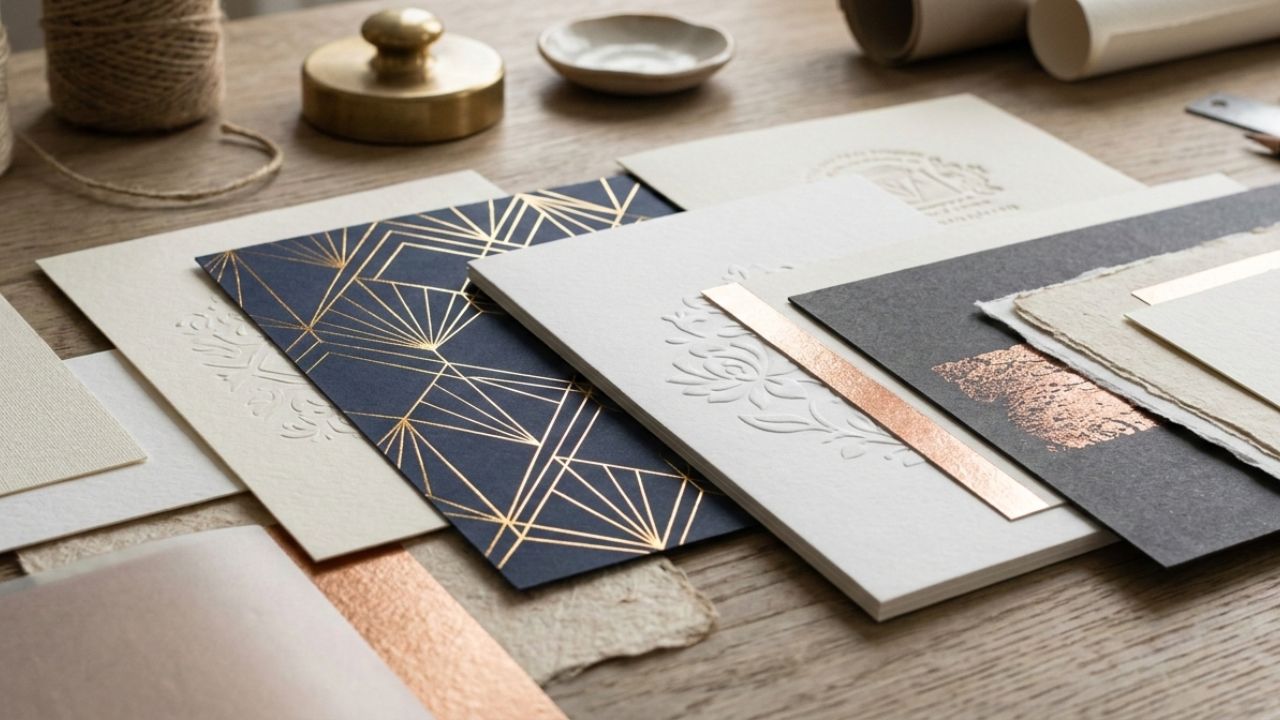
The world of printing and packaging can be complex, with countless factors influencing the final product. One of the most critical aspects is the choice of paper coatings. If you’ve ever struggled with poor print quality, fast-fading designs, or packaging that fails under stress, you’re not alone. These challenges often arise from a misunderstanding of how paper coatings work and their vast potential.
At Ecological Fibers, we’ve guided businesses across industries to elevate their print and packaging through the power of coatings. This comprehensive guide will explain what paper coatings are, the different coating types available, their benefits, and sustainable options. By the end, you’ll have the insight to make informed choices that ensure durability, visual appeal, and environmental responsibility.
What Are Paper Coatings?
Paper coatings are specialized layers applied to paper or paperboard to enhance a range of physical and aesthetic properties. They serve as a protective barrier that adjusts how paper absorbs ink, controls moisture, and interacts with light. By modifying these interactions, coatings significantly improve printability, reduce ink bleed, and produce sharp, vivid images. Additionally, coated paper has a smoother surface that enhances the appearance of text and images, offering a polished finish that elevates the overall presentation.
Beyond their visual benefits, paper coatings dramatically increase the durability and functional lifespan of printed products. They make paper more resistant to water, grease, and scuffs - critical features for packaging and other applications that require robust performance. Coated paper can also withstand repeated handling without showing signs of wear, maintaining its quality over time.
From glossy brochures that captivate customers to functional food packaging that keeps contents safe, paper coatings are fundamental to the look and feel of printed materials. They also bring a tactile element that enhances the user experience, whether it's the luxurious feel of a soft touch finish or the crisp shine of a gloss coating. In every application, paper coatings help ensure your designs look professional, vibrant, and built to last.
Applications Across Industries
Coated paper plays a crucial role in multiple industries, offering tailored solutions for packaging, publishing, labeling, and marketing. In packaging, coatings protect products from moisture, grease, and wear - especially in food, cosmetics, and electronics sectors. In publishing, coated book covers improve longevity and print clarity, while satin and matte finishes support a premium feel. Labels gain durability and color consistency through specialized label coatings.
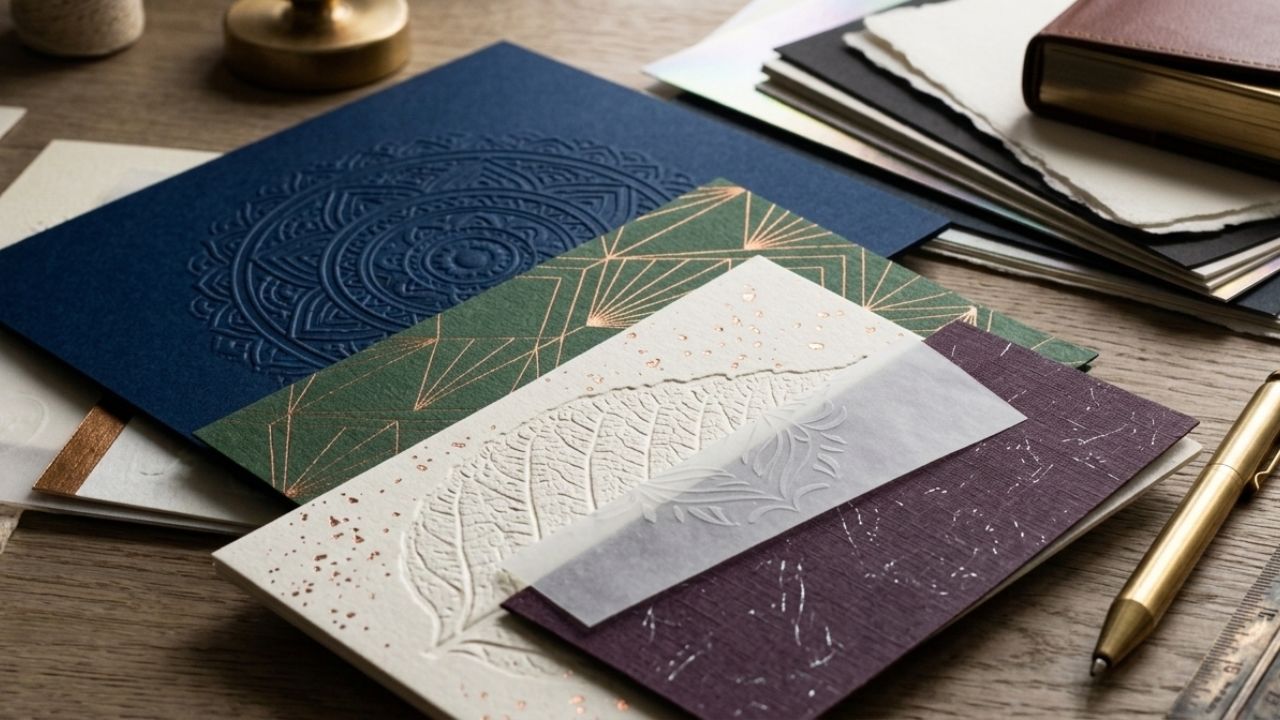
Marketing materials benefit from gloss and UV coatings that grab attention and reflect brand quality. High-end brochures, postcards, and catalogs rely on coatings for visual impact and tactile appeal. Even business cards and promotional signage use coating techniques to boost resilience and design accuracy. With the right coating, materials perform better in real-world conditions while reinforcing brand identity.
Improving Printability and Durability
Coatings like UV, aqueous, and varnish improve print results by controlling ink absorption and enhancing color vibrancy. These coatings form a surface barrier that keeps ink from soaking into paper fibers, producing sharper images and bolder colors. This is essential for printed materials requiring high visual quality, such as retail packaging and branded content.
Durability is another key benefit. Coatings reduce wear, prevent smudging, and resist fading caused by UV exposure or frequent handling. Barrier coatings - like polyester and polypropylene - go even further by providing water resistance and grease protection. These are ideal for packaging that must endure transit, shelf time, and customer interaction without degradation. For long-term value, coatings offer both beauty and strength.
Types of Paper Coatings
Coating materials influence performance and environmental impact. Common types include:
- Clay: Adds smoothness and opacity for gloss and matte finishes.
- Latex: Boosts flexibility and tear resistance, used in packaging.
- Plastic Polymers: Polyester and polypropylene offer moisture barriers.
- Biopolymers: Compostable, renewable alternatives for eco-friendly finishes.
Coating types vary by function:
- UV Coating: Hard, high-gloss finish cured by UV light.
- Aqueous Coating: Water-based, fast-drying, and recyclable.
- Varnish Coating: Subtle gloss or matte finish for light protection.
- Laminates: Strong film layer for maximum durability.
- Soft Touch Coating: Adds velvety texture to premium print materials.
Each has specific benefits, from vibrant color enhancement to barrier protection for packaged goods.
Coating Techniques
There are two main application methods: surface coating and extrusion coating. Surface coating applies materials directly to paper using air-knife, blade, or roll techniques. This method is efficient and adaptable for various finishes. It’s widely used in commercial printing, offering a good balance between quality and cost.
Extrusion coating bonds a plastic layer, such as polypropylene, to paperboard. It’s used when maximum durability and moisture resistance are needed - such as in frozen food packaging, beverage cartons, or high-stress transit boxes. Newer processes integrate coatings with digital printing to improve flexibility and reduce waste. Water-based and PFAS-free innovations are also gaining traction as eco-conscious alternatives.
Benefits of Paper Coatings
Paper coatings bring performance advantages that go beyond aesthetics. They improve water resistance, grease resistance, and surface durability, making them ideal for packaging, labels, and publications. These coatings extend product shelf life and protect branding from fading or scuffing under daily use.
From a visual standpoint, coatings enhance ink contrast and precision. Gloss finishes add shine and depth, while matte and satin provide understated elegance. Coatings also elevate user experience - soft touch finishes create premium, tactile surfaces that align with luxury positioning. In competitive markets, the right coating creates distinction through both form and function.
Environmental Considerations
Sustainable paper coatings are now a priority. Many businesses opt for aqueous and biopolymer coatings due to their low VOC emissions and compatibility with recycling systems. Compostable coatings are also emerging, offering both functionality and environmental compliance.
Recyclable coatings are designed to separate easily during the recycling process, while PFAS-free coatings eliminate harmful substances often found in food-safe packaging. Partnering with eco-conscious suppliers like Ecological Fibers helps ensure coating choices meet both performance and sustainability standards - supporting your brand’s environmental goals without compromise.
Applications of Paper Coatings
Paper coatings adapt to a variety of applications across industries. In packaging, they provide essential barriers against grease, moisture, and physical damage - ensuring product safety and visual appeal. In publishing, coatings protect book covers and maintain vibrant designs even after repeated handling.
For labels, coatings improve print clarity, enhance adhesion, and shield graphics from wear. In signage and point-of-sale materials, coatings boost durability under UV light and exposure. Across all applications, selecting the right paper coating means your materials look better, last longer, and align with your quality standards.
Future Trends in Paper Coatings
Innovation is reshaping the paper coating industry. Digital-compatible coatings now enable personalization and variable data printing. Smart coatings that respond to heat or moisture are entering specialty markets. Sustainable advancements continue with the rise of compostable, recyclable, and PFAS-free solutions.
Technologies like antimicrobial coatings, printable electronics, and barrier innovations are expanding what paper can do - creating new business opportunities while improving environmental compliance. As industries evolve, staying informed about coating trends is key to maintaining competitive advantage and meeting consumer expectations.
Ready to Upgrade Your Projects?
Looking to protect, enhance, or differentiate your printed materials? Partner with Ecological Fibers to find the best coating solution for your packaging, publishing, or label needs. Call (800) 882 433 to speak with our experts or schedule a consultation at our Lunenburg, MA facility. Let’s bring your next project to life with coatings that deliver beauty, strength, and sustainability.
Frequently Asked Questions (FAQ)
What are the disadvantages of coated paper?
Coated paper can be less absorbent, making it harder to write on. Some coatings may also reduce recyclability or involve non-biodegradable materials unless sustainably designed.
What is C1S and C2S paper?
C1S (coated one side) has a coating on one face, ideal for labels and postcards. C2S (coated two sides) is coated on both sides and used for brochures, catalogs, and high-end packaging.
What is professional paper 40lb?
Professional 40lb paper refers to lightweight coated stock often used for flyers, inserts, or mass-distribution materials. It offers a balance between cost, print quality, and weight.
Is PE-coated paper microwave safe?
PE-coated paper is generally not microwave safe, as the plastic layer can melt or leach chemicals. Always verify microwave compatibility through labeling or manufacturer guidance.