TL;DR
A fabric book cover offers durability, texture, and a premium finish compared to paper alternatives. The right cloth book cover depends on fabric type, coating, and print compatibility. Professional selection focuses on balancing durability, printing, and production performance.
Choosing the right book cover material affects durability, print quality, and long-term value. Many resources focus on DIY solutions, but professional publishing requires a more technical approach. A fabric book cover is not just decorative. It plays a functional role in hardcover cloth binding and production efficiency. Poor material selection can lead to wear, print issues, or delays. A well-matched material improves both performance and appearance. Understanding fabric book binding materials helps publishers and designers make better decisions about cost, quality, and longevity.
What is a cloth book cover
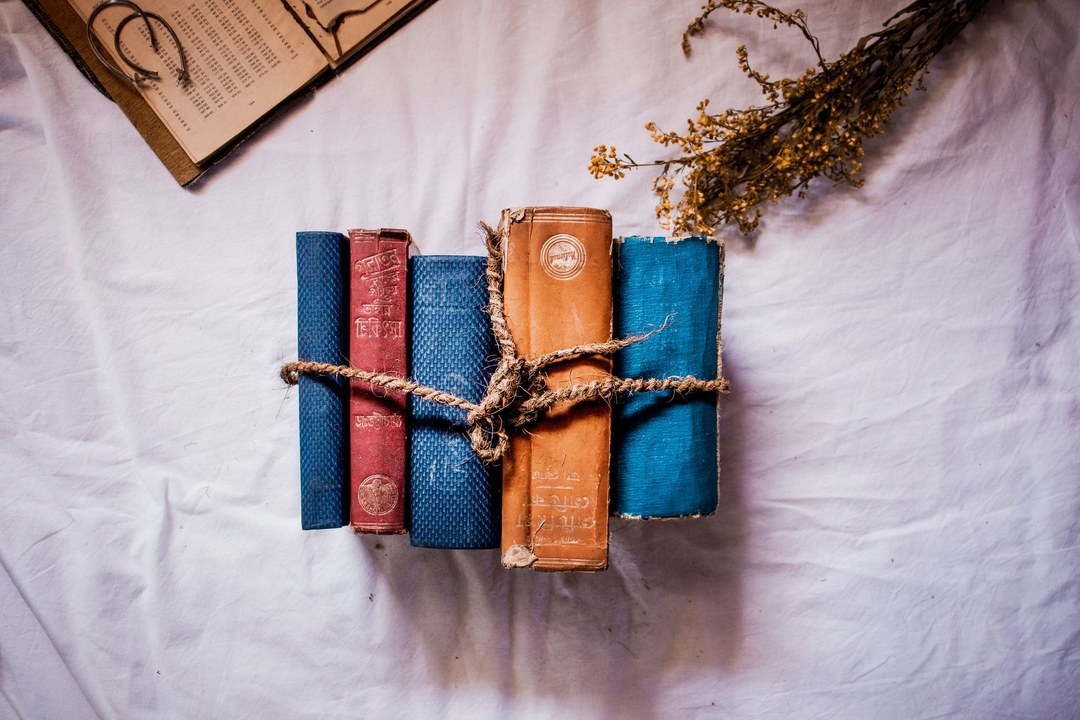
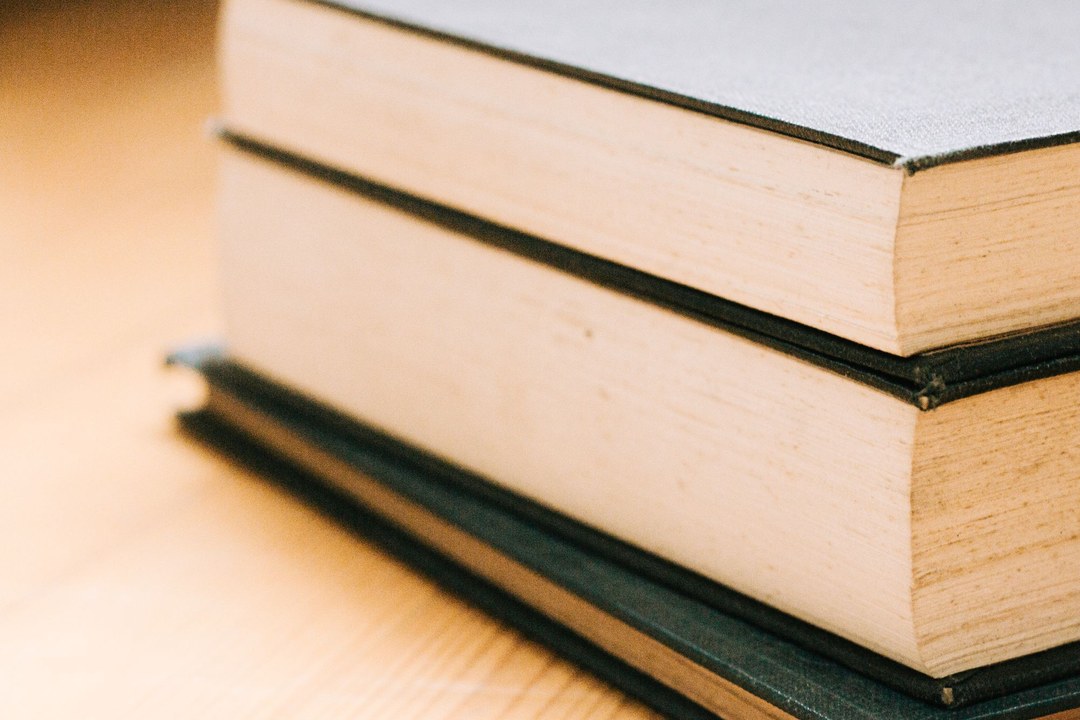
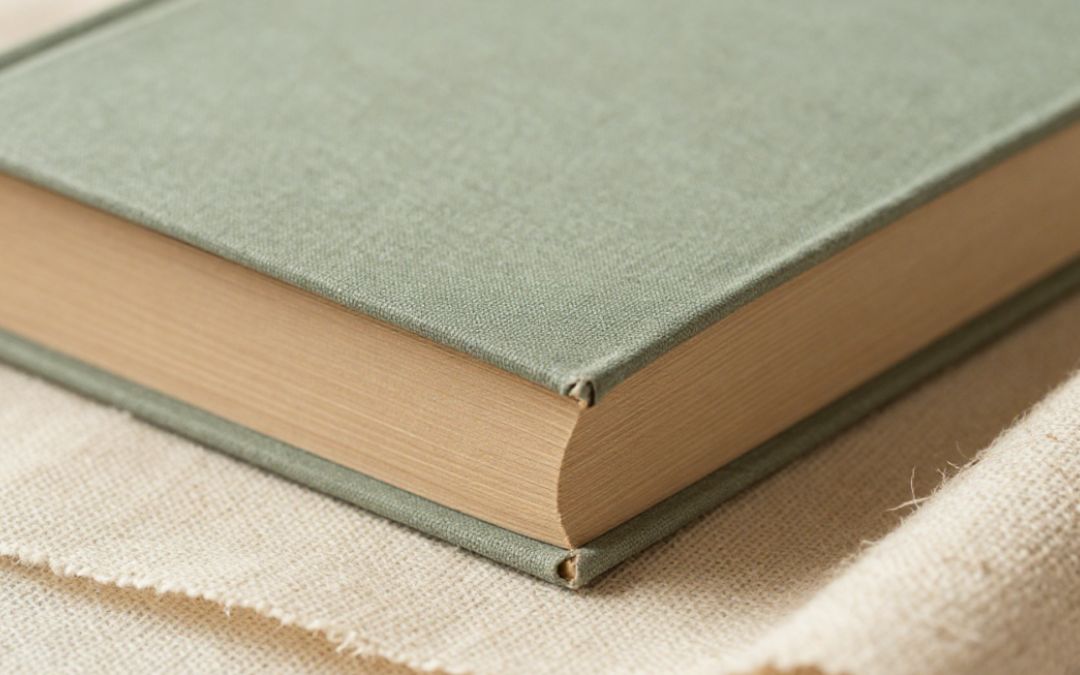
A cloth book cover is a hardcover format where fabric is wrapped over rigid boards. This creates a strong outer shell that protects the book block and enhances appearance. The material may be natural, coated, or synthetic depending on the project.
Many people ask, “What is a cloth book cover?” or assume it is the same as hardcover. “Is cloth the same as hardcover?” No. Hardcover refers to the structure, while cloth refers to the outer layer. A hardcover can use paper or fabric.
Cloth offers advantages over paper in durability and tactile quality. It resists tearing and holds up better with repeated use. This is why bookbinding cloth vs paper cover comparisons often favor fabric for long-term applications.
Cloth also supports finishing methods like embossing and foil stamping. These techniques interact differently with fabric than with paper, which affects design planning. A book cover with fabric is often chosen when both durability and premium presentation matter.
Types of book cover fabrics used in production
There are several types of book cover fabrics used in professional binding. Each option balances strength, appearance, and manufacturability.
Woven book cover materials include cotton, linen, and blends. Linen is widely used because it is strong and stable. Cotton can also perform well when tightly woven.
Coated fabrics are treated to improve surface performance. The coating reduces fraying and creates a smoother finish. This makes them suitable for printed cloth book covers where detail matters.
Specialty fabrics include synthetics designed for specific environments. These may offer resistance to moisture, stains, or abrasion. They are often used in high-use settings.
When selecting fabric book binding materials, it is important to consider production behavior. The material must wrap cleanly, bond with adhesives, and remain stable during processing. Types of book cover fabrics should be evaluated based on both appearance and performance.
Best fabric for book covers based on durability and printing
Choosing the best fabric for book covers requires balancing strength and print quality. Different projects demand different priorities.
For durability, tightly woven fabrics like linen and cotton blends are strong options. They resist tearing and maintain structure over time. These are ideal for frequently handled books.
For printing, smoother or coated fabrics perform better. They allow for consistent ink or foil application. This is important when working with a detailed book cover fabric pattern.
The phrase best fabric for book covers durability and printing reflects this tradeoff. Durable fabrics may not always print easily, while highly printable fabrics may wear faster. The goal is to find a balance.
Other factors include adhesive compatibility and finishing methods. Some fabrics absorb glue differently, which can affect binding strength. Testing ensures the chosen material performs well in production.
Can you use fabric for book binding in modern manufacturing
A common question is, “Can you use fabric for book binding in modern workflows?” The answer is yes. Fabric remains widely used in hardcover production.
Fabric works well with case binding processes. It can be wrapped around boards, glued, and finished efficiently. This makes it suitable for both small and large runs.
Fabric cover book durability is a key advantage. Cloth resists scuffing and edge damage better than many paper options. This makes it ideal for textbooks, reference books, and premium editions.
A cloth book cover also provides a distinct tactile experience. It signals quality and durability. This is why fabric is often used for branded or long-lasting publications.
However, fabric requires planning. Costs may be higher, and materials behave differently during production. Even so, fabric remains a reliable solution.
Book cover materials comparison for cloth and paper
A clear book cover materials comparison helps determine whether cloth or paper is the better choice. Each has strengths.
Paper covers offer strong print clarity and lower cost. They are ideal for projects with detailed graphics or high volume.
Cloth covers provide better durability and a premium feel. They resist tearing and maintain their appearance longer. This makes them suitable for long-term use.
Cloth also supports finishing techniques like embossing and foil stamping. These add texture and depth that paper cannot match.
The choice between bookbinding cloth vs paper cover depends on the project. Performance, cost, and design all play a role. Selecting the right option ensures the book meets its intended purpose.
Choosing the right fabric cover solution
Selecting the right fabric book cover requires a structured approach. Start by defining the use case. High-use books need durable materials, while display books may focus on appearance.
Next, consider printing and finishing needs. Not all fabrics support detailed designs. Matching the material to the design prevents issues.
Production compatibility is also critical. The fabric must work with adhesives and equipment. Poor compatibility can lead to delays or defects.
Finally, evaluate long-term performance. Consider wear, handling, and storage conditions. The right material ensures consistent quality over time.
For expert-level insight and personalized solutions, reach out to the Ecological Fibers team today.
Key Takeaways
- A fabric book cover provides durability and a premium feel compared to paper
- A cloth book cover refers to the material, not the hardcover structure
- Woven, coated, and specialty fabrics each serve different needs
- The best fabric for book covers durability and printing requires balancing performance factors
- Fabric book binding materials remain widely used in modern production
- A book cover materials comparison helps match the right material to the project